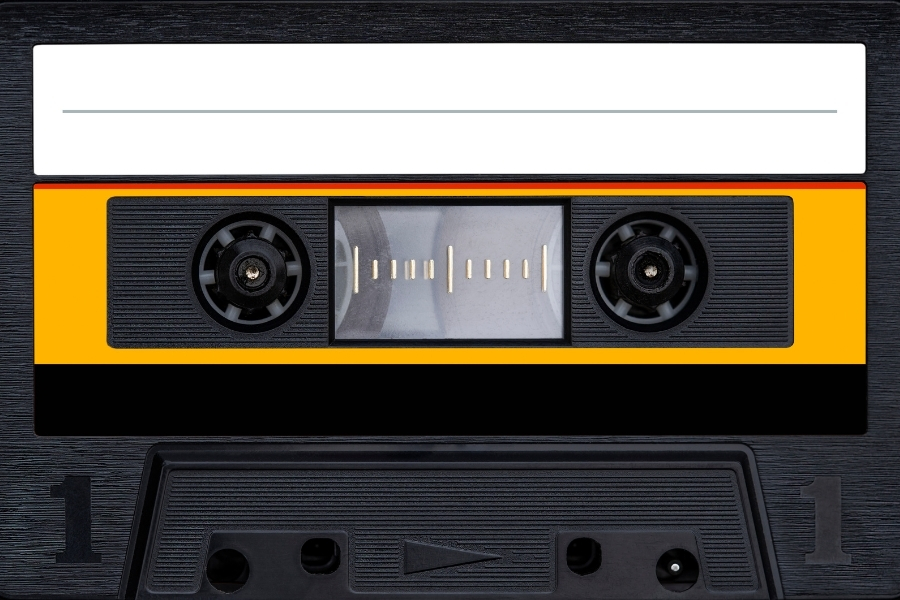
For many people, audio cassette tapes hold priceless memories. They may contain family recordings, favorite music albums, interviews, or voice messages from loved ones. In the 1980s and 1990s, cassette tapes were one of the most common ways to record and store audio.
However, cassette tapes were never designed to last forever. Over time, these tapes slowly lose their quality, and the recordings can become difficult—or even impossible—to hear. If you still have old tapes stored in a box or drawer, it is important to understand why they degrade and what you can do to preserve them.
In this article, we will explain how audio cassette tapes lose quality over time and why converting them through a professional audio transfer service is one of the best ways to protect your memories.
Understanding How Audio Cassette Tapes Work
Before we talk about deterioration, it helps to understand how cassette tapes store sound.
Inside every cassette tape is a thin plastic strip coated with magnetic particles. When audio is recorded, a tape player arranges those particles in patterns that represent sound. When the tape is played back, the tape deck reads those magnetic patterns and converts them into the sound you hear.
While this technology was revolutionary decades ago, it is also very sensitive to time, temperature, and physical wear.
1. Magnetic Signal Weakens Over Time
The most important reason cassette tapes lose quality is magnetic signal loss.
The sound on a cassette tape exists as magnetic patterns. Over the years, those patterns slowly weaken. This natural process is called magnetic decay.
When this happens, you may notice:
- Lower sound volume
- Loss of clarity
- Background noise or static
- Fading parts of the recording
Unfortunately, once the magnetic signal weakens too much, the audio can become permanently damaged.
This is why many people choose an audio transfer service near me before their tapes lose the recordings completely.
2. Tape Material Breaks Down
The tape inside a cassette is made from plastic and magnetic oxide coating. These materials slowly break down with age.
Common problems include:
- Tape becoming brittle
- Oxide layer shedding
- Tape sticking to itself
- Warping of the tape strip
When the oxide layer begins to deteriorate, the tape literally loses the particles that store the audio information.
Once that happens, the recording may disappear permanently.
3. Heat and Humidity Cause Damage
Environmental conditions play a huge role in cassette tape deterioration.
Heat and humidity can damage tapes in several ways:
- Heat can warp the plastic tape
- Moisture can cause mold growth
- Humidity can weaken the adhesive binding layer
If cassette tapes are stored in attics, garages, or basements, they are especially vulnerable to these problems.
Even a few years in poor storage conditions can cause noticeable audio damage.
4. Frequent Playback Causes Wear
Every time you play a cassette tape, the tape moves across the playback heads and internal rollers. This constant friction gradually wears down the tape.
Over time, this can cause:
- Stretching of the tape
- Loss of audio detail
- Warped sections of tape
- Dropouts in the recording
Older cassette players can make this problem worse because worn rollers or dirty playback heads can damage tapes further.
If you have tapes that contain important recordings, it is best to avoid repeated playback and instead convert them using a professional audio transfer service.
5. Cassette Players Are Becoming Rare
Another reason cassette tapes are difficult to preserve today is that working cassette players are becoming harder to find.
Even if your tapes are still in good condition, you may struggle to play them because:
- Many tape players are no longer manufactured
- Older players may damage tapes
- Replacement parts are difficult to find
This is one reason people often search for an audio transfer service near me to digitize their recordings before their equipment stops working.
6. Tape Stretching and Tangling
Cassette tapes can also suffer from mechanical damage over time.
This includes:
- Tape stretching
- Tape tangling inside the cassette
- Spool problems
- Broken tape sections
If a cassette tape becomes tangled or stretched, it can destroy portions of the recording.
Professional technicians can sometimes repair damaged tapes long enough to capture the audio and convert it to digital.
Why Converting Cassette Tapes to Digital Is Important
Because cassette tapes deteriorate with time, converting them into digital files is the safest way to preserve the recordings.
Digital audio offers several benefits:
- No loss of quality over time
- Easy playback on phones, computers, and tablets
- Ability to share recordings with family members
- Safe backup storage
Professional companies like Archiving Life Media specialize in transferring old audio recordings into modern digital formats so they can be enjoyed for many years to come.
Professional Transfer Protects Your Recordings
Trying to convert cassette tapes at home may seem easy, but it can be risky. Old tapes are fragile and can easily break during playback.
A professional audio transfer service uses specialized equipment designed to handle delicate media formats safely.
At Archiving Life Media, experienced technicians carefully digitize your recordings while preserving as much sound quality as possible.
Many customers also convert other formats at the same time, including searching for services like vhs transfer service near me to preserve their family videos as well.
Signs Your Cassette Tapes Need Immediate Transfer
If you notice any of the following signs, it may be time to digitize your tapes:
- Sound fading or becoming distorted
- Static or background noise
- Tape sticking or slowing during playback
- Cassette shell damage
- Mold or dust inside the cassette
Waiting too long can result in permanent audio loss, which is why early preservation is important.
Conclusion
Audio cassette tapes hold valuable memories, but they are not built to last forever. Magnetic signal loss, tape deterioration, heat damage, and mechanical wear all contribute to the gradual decline in sound quality.
If you still have cassette tapes containing music, family recordings, or special moments, now is the best time to preserve them. Converting them into digital files ensures those memories remain safe and accessible for future generations.
Archiving Life Media offers professional solutions to help protect your recordings. Whether you need an audio transfer service, an audio transfer service near me, or even a vhs transfer service near me, our team is ready to help bring your memories into the digital world.
We proudly provide our media transfer services in Minnetonka, MN, Chanhassen, MN, and Shorewood, MN, helping families in these communities preserve their valuable memories with professional care.
Contact Us
If you have old cassette tapes or other media formats that need preservation, contact us today. Our experts will carefully convert your recordings into high-quality digital files so your memories can be enjoyed for years to come
.
Stay connected with Archiving Life Media for helpful tips on preserving your memories, special updates, and behind-the-scenes work. Follow us on Facebook, Instagram, and our Google Business Profile to see how we bring old photos, videos, and audio recordings back to life.
Frequently Asked Questions (FAQ)
1. How long do audio cassette tapes typically last?
Most cassette tapes last 10 to 30 years, depending on storage conditions and usage. Heat, humidity, and frequent playback can shorten their lifespan.
2. Can damaged cassette tapes still be converted to digital?
In many cases, yes. Professional technicians can often repair minor tape damage long enough to capture the recording during an audio transfer service.
3. What is the best way to preserve cassette recordings?
The best method is converting them into digital files using a professional audio transfer service near me. Digital files do not degrade over time like cassette tapes.
4. Can I convert VHS tapes and audio cassettes at the same time?
Yes. Many services offer multiple conversion options. If you have old video tapes, you can also look for a vhs transfer service near me to preserve those recordings along with your audio tapes.