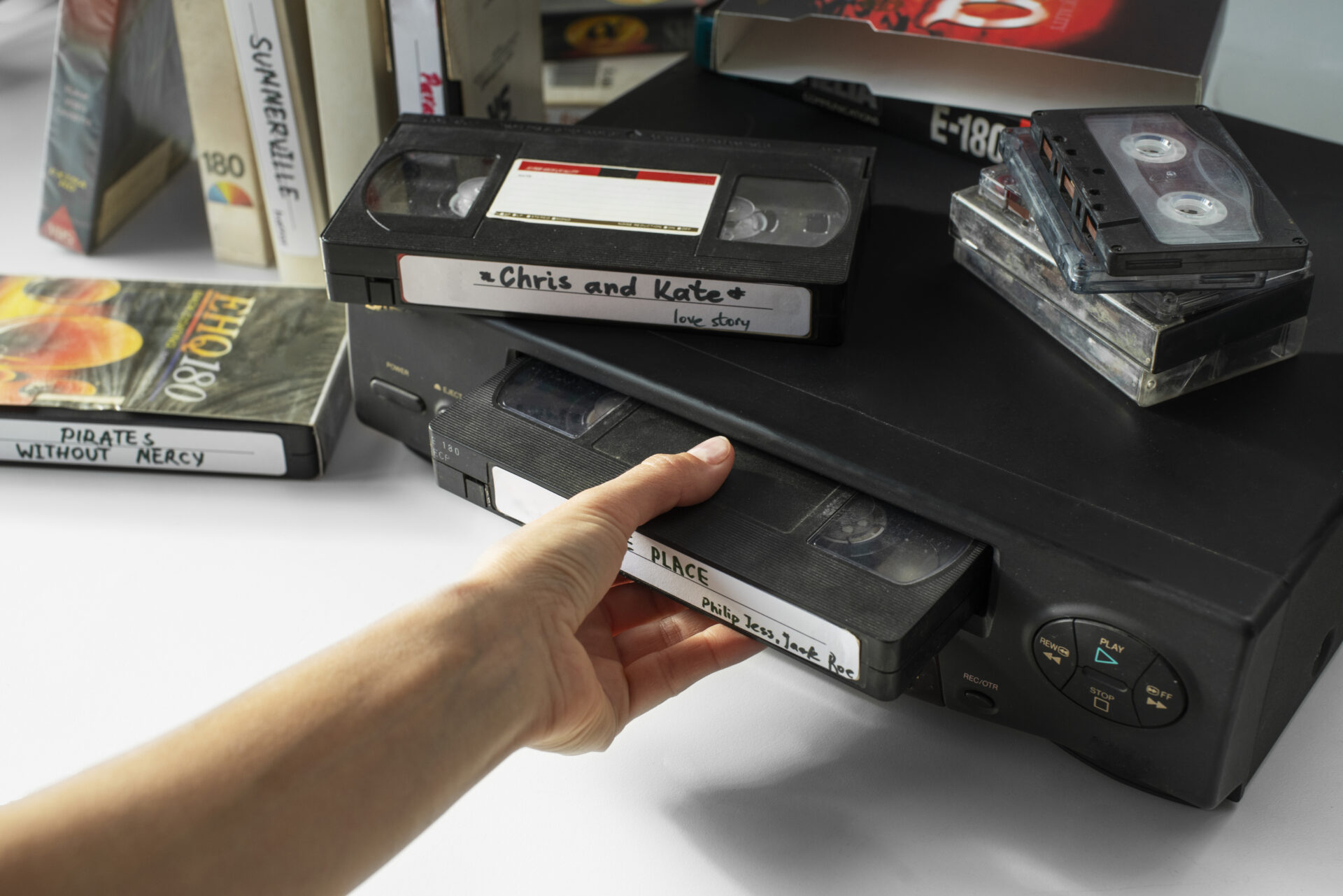
If you have a box of cassette tapes sitting in a closet, attic, or garage, chances are you have been meaning to do something with them for years. Maybe they hold family recordings, old music mixes, or voice notes from decades ago. The problem is — tapes do not last forever. Magnetic tape degrades over time, and even tapes that “look fine” on the outside may have serious internal damage. So before you hand them over for audio transfer services, the real question is: can they be restored first? And does restoration actually help?
The short answer is yes — in many cases, cassette tapes can be cleaned, repaired, and prepared before digitizing. But not every tape qualifies, and not every method works the same way. This guide breaks down what the restoration process actually involves, what problems can and cannot be fixed, and when it makes sense to act now rather than wait.
Why Cassette Tapes Break Down Over Time
Cassette tapes were built to last — but only for so long. Most standard tapes have a lifespan of around 10 to 30 years under average storage conditions. After that, the physical and chemical breakdown begins at a pace most people do not notice until it is too late.
The Most Common Causes of Tape Damage
There are several reasons a cassette tape may fail or sound distorted when played. Some are related to how the tape was stored, others are just a natural result of aging. Here are the most frequent issues that show up during audio transfer services:
- Sticky Shed Syndrome (SSS): This happens when the binder holding the magnetic particles to the tape breaks down and becomes tacky. When played, the tape may squeal, slow down, or shed residue on the playback head.
- Mold and fungal growth: Tapes stored in humid environments often develop mold along the tape surface or inside the cassette shell, causing signal dropout and in some cases permanent damage.
- Brittle or snapped tape: Older tapes, especially those exposed to extreme temperatures, become brittle and can snap during playback.
- Warped reels or broken spools: Physical damage to the cassette housing can cause the tape to bunch, fold, or stop feeding correctly.
- Oxide shedding: As the magnetic coating deteriorates, small particles fall off the tape surface, leaving gaps in the audio signal.
- Demagnetization: Over many years or due to proximity to magnetic fields, the recorded signal can gradually weaken or erase partially.
What Restoration Actually Means for Cassette Tapes
Tape restoration is not about making a damaged tape sound brand new. It is about stabilizing the tape so it can survive one clean playback — which is all that is needed to capture a high-quality digital copy. Once that digital file exists, the original tape’s condition no longer matters.
The Baking Method for Sticky Shed Syndrome
One of the most well-known restoration techniques is baking — gently heating the tape in a controlled oven at low temperatures, typically between 130 and 140 degrees Fahrenheit for several hours. This process temporarily re-binds the degraded binder layer and allows the tape to play back without shedding or squealing. The window for playback after baking is short — usually 24 to 72 hours — which is why the digitizing step must follow immediately.
Baking does not work on all tape types, and doing it incorrectly can permanently destroy the tape. It requires the right equipment, the right temperature, and someone who knows how to identify which tapes qualify for the process. This is not something to attempt without experience.
Cleaning the Tape and the Playback Heads
Even tapes that are not severely degraded often have dust, residue, or light mold on the surface. Before any playback or digitizing, a thorough cleaning is necessary — both of the tape itself and of the heads, capstan, and pinch roller on the playback machine. Dirty heads are one of the leading causes of poor audio quality during transfer. Proper cleaning uses medical-grade isopropyl alcohol and lint-free materials, and every pass is done with care to avoid adding micro-scratches to the oxide layer.
Splicing and Physical Tape Repair
When a tape has snapped or has a section that has been physically torn, it can sometimes be repaired using a splicing technique. This involves carefully cutting away the damaged section, aligning the ends precisely, and joining them with a specialized splicing tape. Done correctly, the repair is nearly undetectable in playback. Done incorrectly, it creates a hard click or skip at the splice point. This repair is delicate and requires steady hands and magnification to get right.
When Restoration Helps vs. When It Is Too Late
Not every tape can be saved. Some arrive in such advanced states of deterioration that playback — even after treatment — would cause more damage than recovery. Part of the job of a good audio transfer services provider is being honest about what is actually possible.
Tapes with light to moderate sticky shed can often be baked and transferred successfully. Tapes with early-stage mold can be cleaned before transfer. Tapes with broken housings can be re-shelled into new cassette bodies. Tapes with snapped sections can be spliced and played back. However, tapes where the magnetic oxide has completely shed from the backing, where mold has eaten through the tape base, or where demagnetization has fully erased the signal have no viable path to recovery. The information is simply no longer there.
This is why timing matters so much. A tape that sits in storage for another three years may cross from “restorable” into “unrecoverable.” Waiting is the single biggest risk factor when it comes to preserving old cassette recordings.
What Happens After Restoration: The Digitizing Process
Once a tape has been stabilized and cleaned, the actual transfer begins. This is where the analog signal on the magnetic tape gets converted into a high-quality digital audio file. The process matters just as much as the restoration.
Why Playback Equipment Matters
Consumer-grade cassette players — the kind you might still have in a closet — are not suitable for high-quality transfer work. Professional audio transfer services use calibrated decks with clean heads, stable motors, and proper azimuth alignment. Azimuth refers to the angle of the playback head relative to the tape, and even a tiny misalignment causes high-frequency audio to sound dull or muffled. Getting azimuth right is often the difference between a transfer that sounds clear and one that sounds like it was recorded underwater.
Capture Resolution and File Output
During transfer, the analog signal is captured at a high resolution — typically 24-bit at 48kHz or higher — to preserve as much detail from the original tape as possible. This raw file is then processed and delivered in the format that works best for the client, whether that is a standard MP3 for everyday listening or a lossless WAV or FLAC for archival storage. The output format is something worth discussing before the transfer begins, because going back and re-digitizing later is not always possible.
Noise Reduction and Audio Enhancement After Transfer
Even after a successful transfer, some recordings may have background hiss, tape noise, dropouts, or low volume levels. Post-transfer audio processing can address many of these issues without affecting the core content of the recording.
Noise reduction software can identify and reduce consistent background hiss — common in older tape recordings. Dropout repair tools can sometimes fill in brief gaps in the audio signal. Equalization can bring back clarity that the tape’s age had dimmed. Volume normalization ensures consistent playback levels across a full collection of tapes. These enhancements are applied carefully, because aggressive processing can make a recording sound unnatural or remove subtle details that belong in the original.
Should You Attempt Any of This at Home?
There is a lot of DIY advice online about cassette restoration, and some of it is harmless. Cleaning the outside of a cassette shell, manually winding a loose tape back into place with a pencil, or replacing a broken tab on the cassette housing — these are low-risk steps that most people can handle.
But baking a tape in a home oven, attempting to clean mold without proper ventilation and technique, or trying to splice a snapped tape without proper tools — these are high-risk moves that can cause irreversible damage. The value of these recordings comes from the content on them, and that content is irreplaceable. The cost of professional audio transfer services is far smaller than the cost of losing a recording that cannot be recovered.
How Archiving Life Media Handles Cassette Restoration and Transfer
Archiving Life Media has been helping families and individuals in Bloomington, MN and surrounding communities preserve their audio memories since 2011. Every cassette tape that comes through goes through a detailed inspection before any work begins. The team assesses the condition of the tape, identifies any damage, and determines the appropriate restoration approach before the transfer process starts.
The process is straightforward: drop off or ship your tapes, the team handles cleaning, any necessary baking or repair, playback on calibrated equipment, high-quality digital capture, and delivery of your files on USB, cloud download, or DVD. Every original tape is returned after transfer. No guesswork, no rushed work, no generic treatment — each tape gets the attention it needs.
What Types of Cassette Tapes Can Be Transferred?
A wide range of cassette formats are accepted for audio transfer services, including standard compact cassettes (Type I, II, and IV), microcassettes commonly used in answering machines and dictation devices, and mini-cassettes. Whether the tape holds a childhood birthday recording, a band rehearsal from the 1980s, voicemails from a loved one, or a church sermon series, the content is worth protecting.
Frequently Asked Questions
How do I know if my tape has sticky shed syndrome?
The most common signs are a squealing or grinding sound during playback, visible residue on the playback head after playing, and the tape moving slowly or stopping entirely. Some tapes with SSS look and smell fine but show symptoms only when played.
Will a badly degraded tape produce any audio at all?
It depends on the type and extent of damage. Some tapes with significant degradation still have recoverable audio in sections. Others may have complete signal loss in certain portions but usable audio elsewhere. An inspection before transfer gives a clearer picture of what to expect.
Is there any risk to the tape during the transfer process?
Professional audio transfer services are designed to minimize risk. Restored tapes are transferred in a single pass wherever possible. Heavily damaged tapes are evaluated for risk before any playback is attempted. If a tape is in a condition where playback is likely to cause further damage without recovery, that is communicated clearly before proceeding.
The Bottom Line: Act Before the Tape Decides for You
Cassette tapes do not announce when they are about to fail. One day a tape plays fine, the next it squeals through the first few seconds and then goes silent. The degradation is slow, invisible, and irreversible once it passes a certain point. Restoration before digitizing is not a luxury — for damaged or aging tapes, it is a requirement.
Whether you have one tape or a hundred, whether the recordings are decades old or just mildly aged, getting them into a stable digital format now is the only way to guarantee they survive. The audio transfer services process, when done right, preserves not just sound — it preserves the moments those sounds carry.
Ready to Preserve Your Cassette Tapes?
Your tapes are not getting better with time — but the good news is, it is not too late to save them.
Get in touch with Archiving Life Media today and let the team handle everything — from inspection and restoration to high-quality digital transfer and delivery.