Old tapes, films, and audio recordings hold priceless memories — birthdays, weddings, family vacations, and voices of loved ones. Before you digitize them, it’s important to make sure they’re clean and handled properly. Dust, mold, and improper cleaning can permanently damage your media if you’re not careful.
At Archieving life media, we work with delicate and aging media every day through our professional video transfer service and audio transfer service. In this guide, we’ll walk you through safe, simple steps you can take at home before sending your tapes and films for scanning or digitization.
Why Cleaning Old Media Matters
Over time, tapes and films naturally collect dust, dirt, and moisture. This can lead to:
- Poor video or audio quality
- Jamming or tearing during playback
- Mold growth that spreads to other tapes
- Permanent damage to playback equipment
Even light cleaning can improve results when using a video transfer service or audio transfer service, but it must be done carefully.
General Safety Tips (Very Important)
Before you clean anything, keep these rules in mind:
- Never use water, household cleaners, or alcohol directly on tapes or film
- Do not open sealed VHS, cassette, or film reels
- Avoid playing dirty or moldy tapes — this can ruin both the tape and the player
- Handle media by the edges only
- When in doubt, stop and ask a professional
If a tape or film looks severely damaged or moldy, it’s best to let experts like Archieving life media handle it.
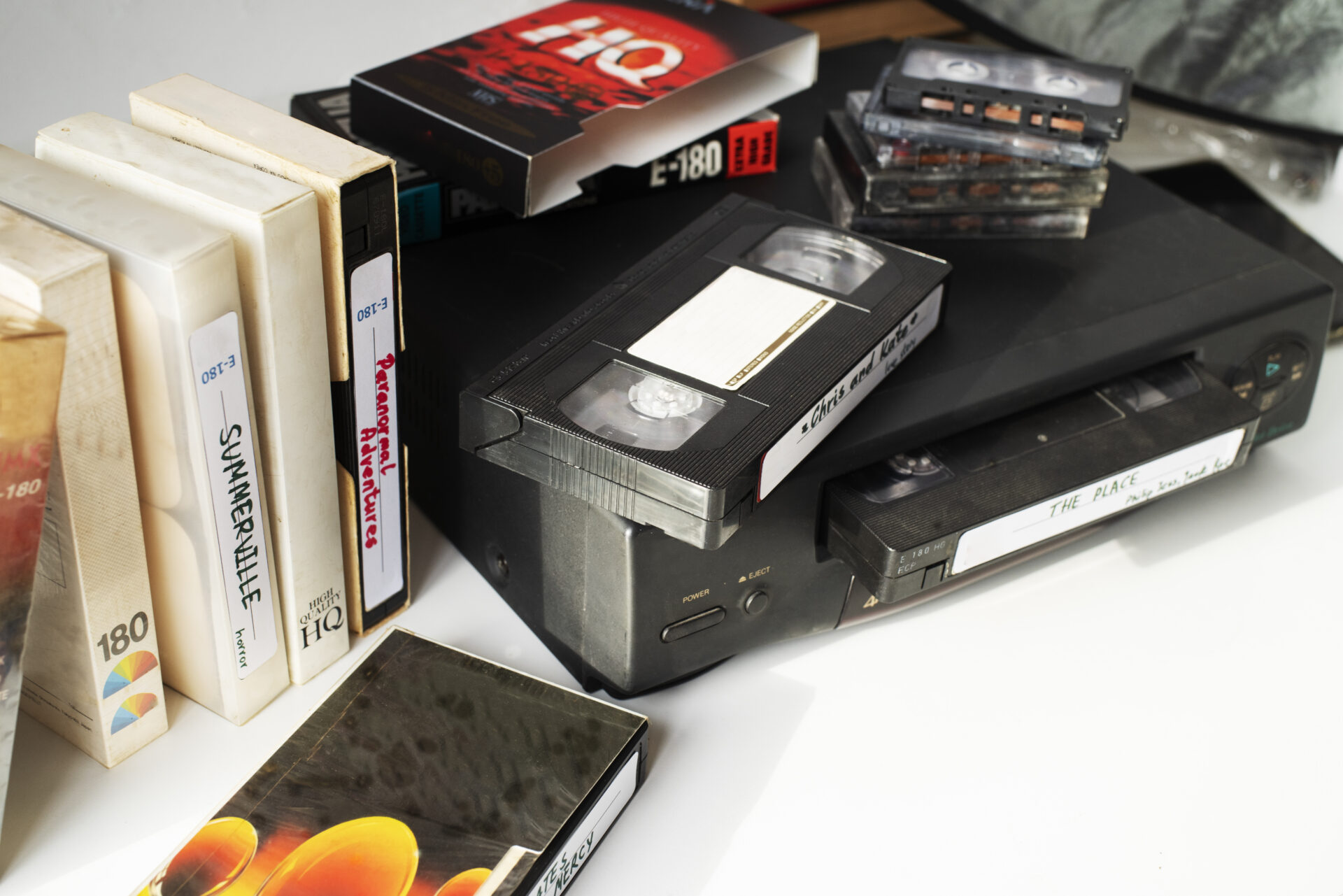
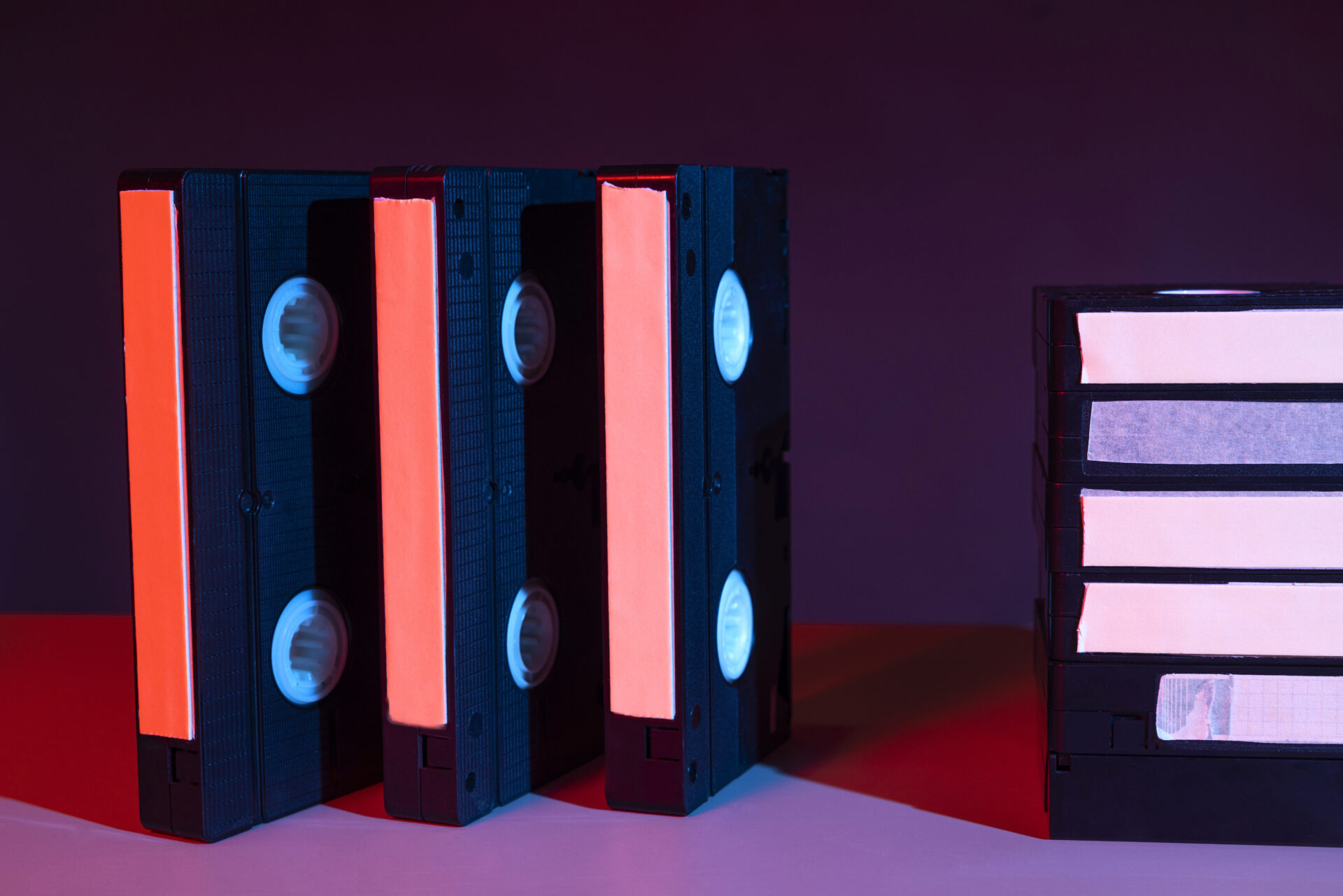
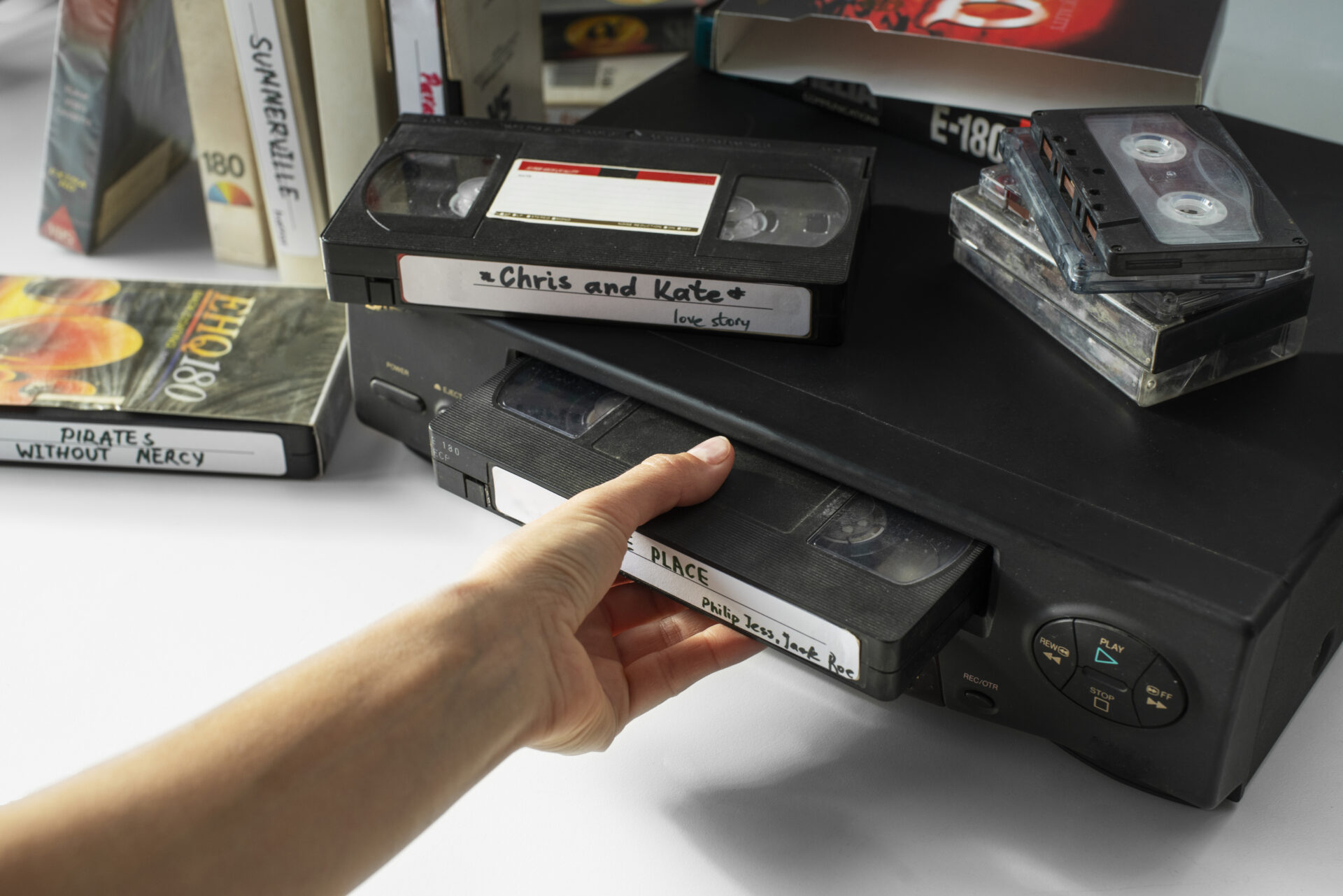
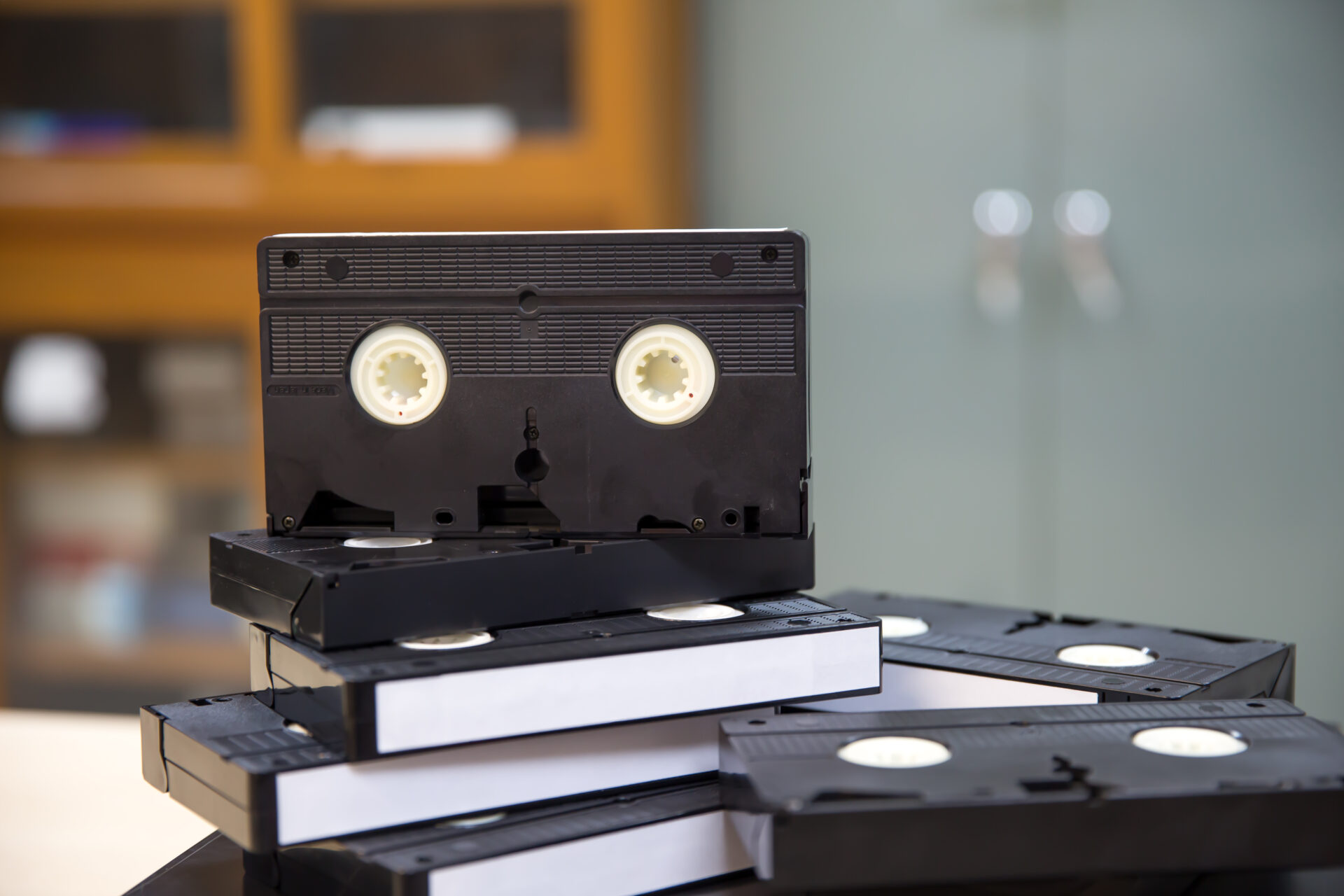
How to Clean VHS, Hi8, MiniDV & Other Video Tapes
What You’ll Need:
- Soft microfiber cloth
- Can of compressed air
- Dry, clean workspace
Safe Cleaning Steps:
- Inspect the tape case
Look for visible dust, cracks, or mold on the outside. - Gently wipe the case
Use a dry microfiber cloth to remove dust from the plastic shell. - Use compressed air (lightly)
Hold the tape upright and gently blow air into openings to remove loose dust.
Do not shake the tape or spray air too closely. - Do NOT touch the tape ribbon inside
This is the most fragile part and can be easily damaged.
If the tape smells musty or has white or fuzzy spots, do not attempt cleaning — professional video transfer service providers have specialized tools for this.
How to Clean Audio Cassettes & Reel-to-Reel Tapes
Audio recordings are especially sensitive and should be handled gently.
What You Can Do:
- Wipe the outer case only with a dry cloth
- Use compressed air to remove dust from the shell openings
What NOT to Do:
- Don’t spin reels manually
- Don’t use cotton swabs or liquids
- Don’t play tapes that appear moldy
For best results, trust a professional audio transfer service like Archieving life media, where equipment is cleaned between every transfer.
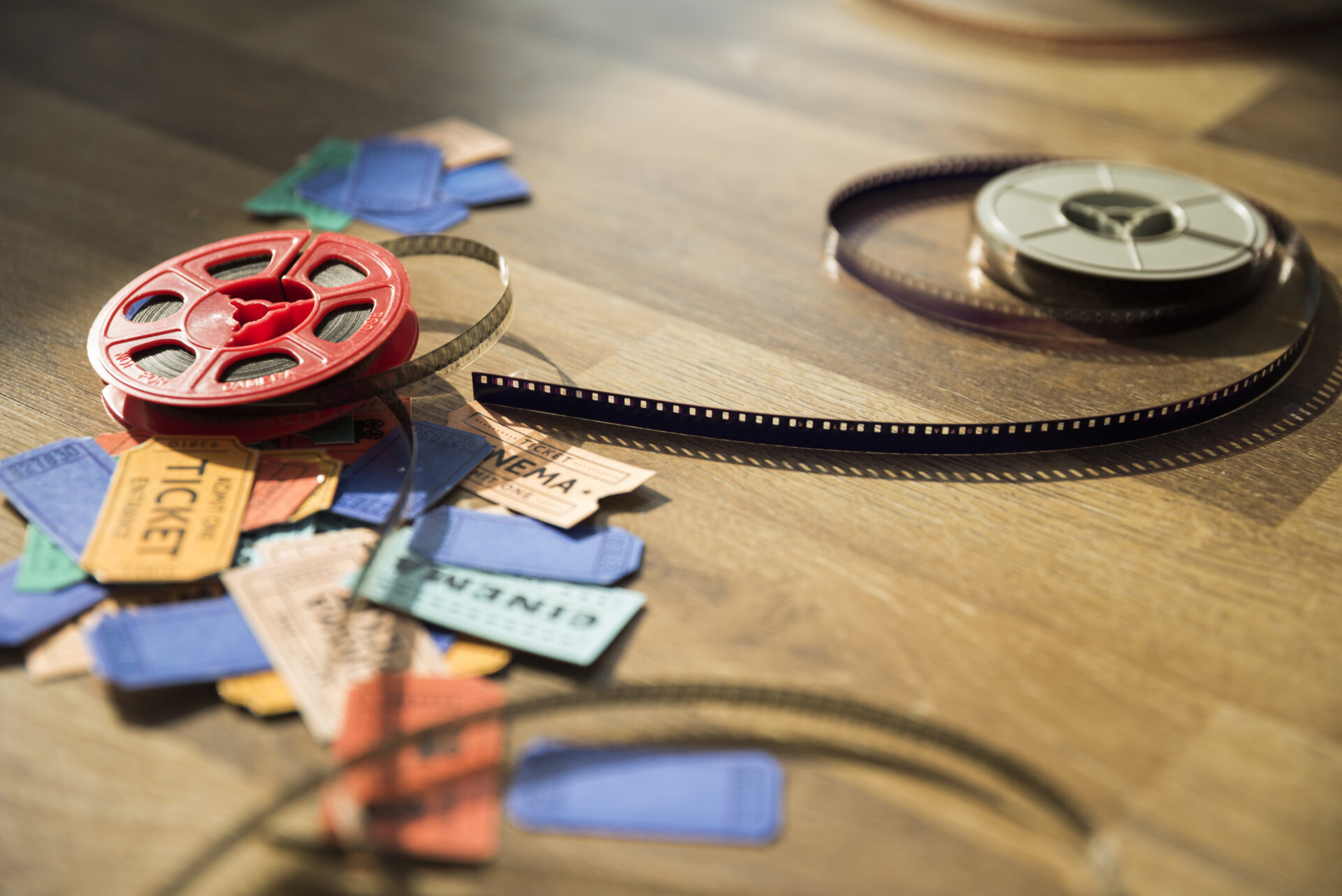
How to Clean Film Reels (8mm, Super 8, 16mm)
Film is extremely delicate and can be easily scratched.
Light Cleaning at Home:
- Handle film only by the edges
- Gently dust the reel and container using a microfiber cloth
- Use compressed air at a distance to remove surface dust
Avoid:
- Film cleaning liquids
- Paper towels
- Rubbing or pulling film
If the film is brittle, curled, or smells like vinegar, it needs professional care before scanning.
What About Moldy or Damaged Media?
Mold is a serious issue. It can:
- Spread to other tapes
- Destroy playback equipment
- Permanently damage your memories
If you see mold, do not attempt DIY cleaning. At archieving life media, we use controlled environments and specialized processes to safely handle and digitize mold-affected media.
Why Professional Cleaning & Digitization Is Worth It
While basic dust removal is okay at home, professional services offer:
- Specialized cleaning machines
- Calibrated playback equipment
- Frame-by-frame inspection
- Better digital quality and preservation
Our video transfer service and audio transfer service are designed to protect your originals while delivering the best possible digital copies.
Final Thoughts
Your old tapes and films are irreplaceable. Taking a few safe steps before scanning can help preserve them — but knowing when to stop is just as important. If your media looks fragile, moldy, or very old, professional help is the safest choice.
At Archieving life media, we treat every tape, film, and recording like it’s our own memory. Whether you need a trusted video transfer service or audio transfer service, we’re here to help preserve your past for the future.
Follow Archieving life media on Facebook, Instagram, and Google Business Profile for helpful tips, memory-saving ideas, behind-the-scenes stories, and updates on our video transfer service and audio transfer service. Let’s preserve your memories together
Frequently Asked Questions (FAQs
Q: What types of media do you transfer?
We transfer a wide range of formats including VHS, Hi8, MiniDV, audio cassettes, reel-to-reel tapes, film reels, photos, and slides. If you’re not sure about your format, feel free to contact Archieving life media for guidance.
Q: How long does the video or audio transfer process take?
Turnaround time depends on the number and condition of your items. Most projects are completed within a few weeks. We always focus on quality and care while delivering your memories as quickly as possible.
Q: Will my original tapes and films be returned?
Yes! All original media is carefully returned to you after the video transfer service or audio transfer service is completed.
Q: What digital formats will I receive my files in?
We offer digital files on USB drives, external hard drives, or other options based on your preference. Our team will help you choose the best format for easy viewing and long-term storage.