Memories shape who we are. They remind us of where we came from, the people we love, and the moments that mattered most. For decades, families and businesses have relied on physical media like videotapes, cassette tapes, film reels, photographs, and slides to preserve those memories. Unfortunately, many of these formats are now at serious risk of being lost forever.
Technology has changed faster than most of us expected. Devices that were once common in every home have disappeared, and the media they played is quietly deteriorating. Without proper video transfer, audio transfer, film transfer, and photo & slide scanning, priceless memories can fade, break, or become completely unplayable.
At Archieving life media, we believe preserving your memories is just as important as creating them. In this blog, we’ll walk you through the different types of media that are most at risk, why they’re disappearing, and what you can do now to protect them for future generations.
Why Media Loss Is a Real and Growing Problem
Many people assume their old tapes, photos, and films are safe as long as they’re stored in a box or drawer. Sadly, that’s not true. Most physical media was never designed to last forever. Heat, humidity, dust, magnetic decay, mold, and even time itself slowly destroy them.
Another major issue is technology obsolescence. Even if your media is in good condition, the machines needed to play it are no longer made. Repair parts are scarce, and working equipment is becoming harder to find every year.
This is why media preservation isn’t something to “get around to someday.” Someday often comes too late.
1. Video Tapes: Home Movies at High Risk
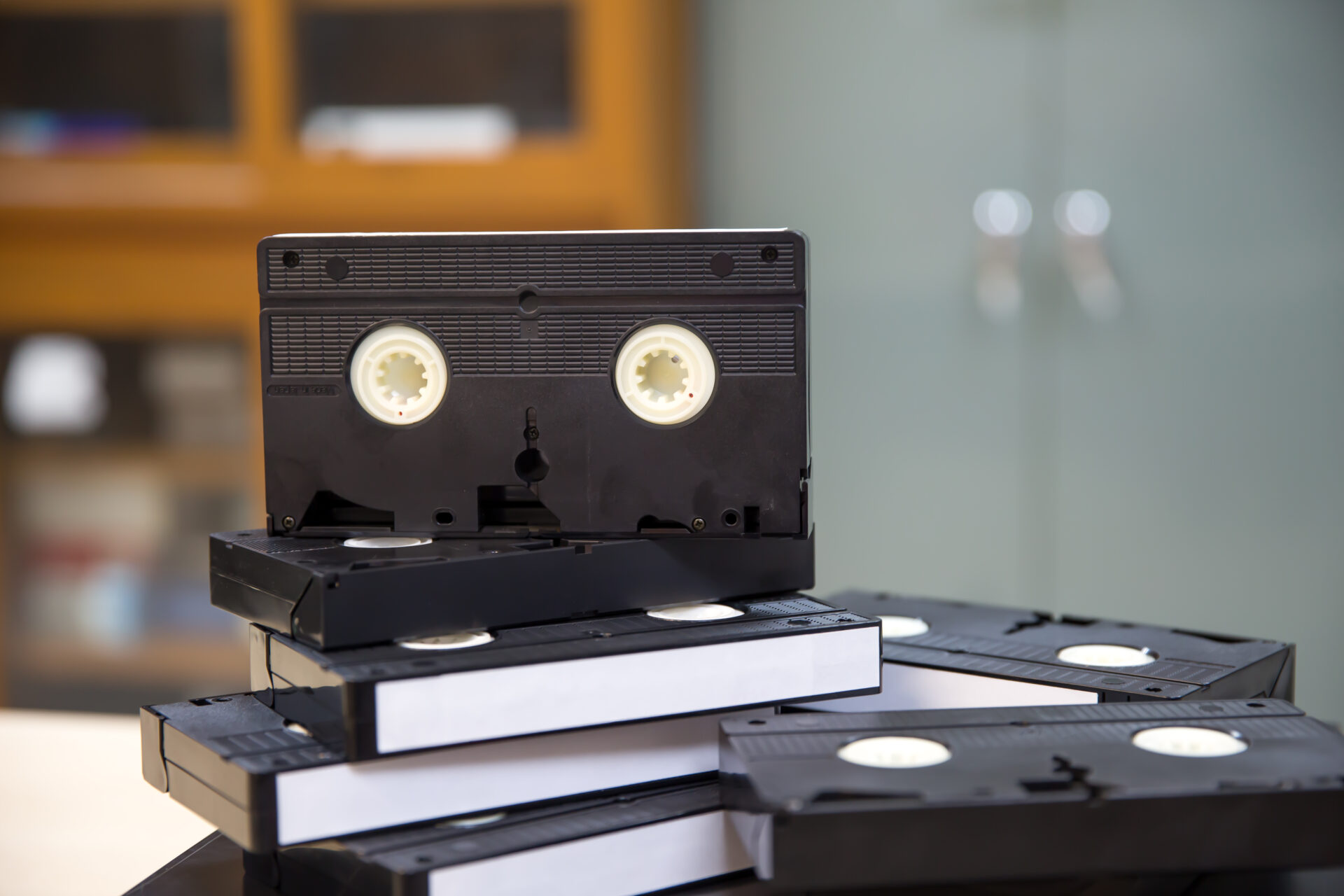
Common Types of Video Media
- VHS and VHS-C
- Hi8 and Video8
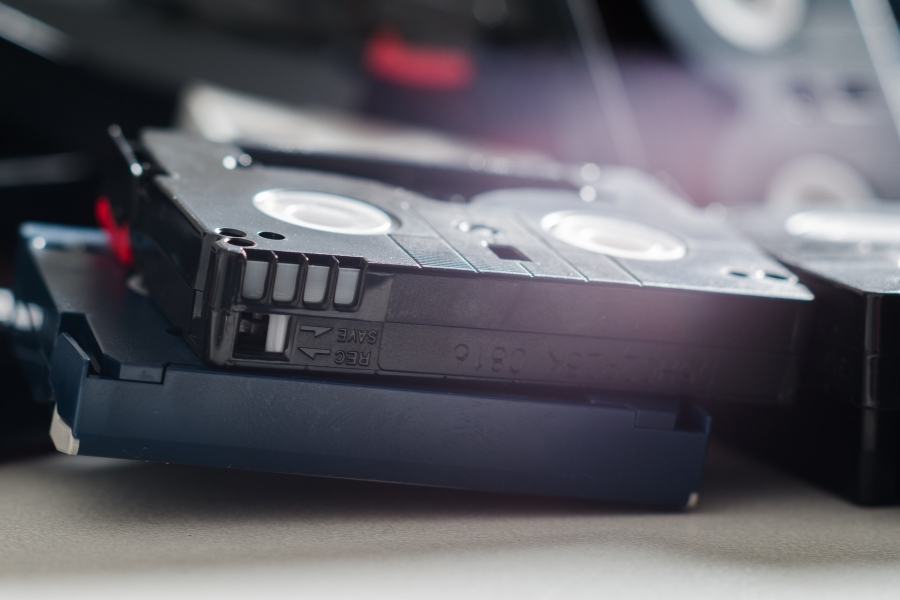
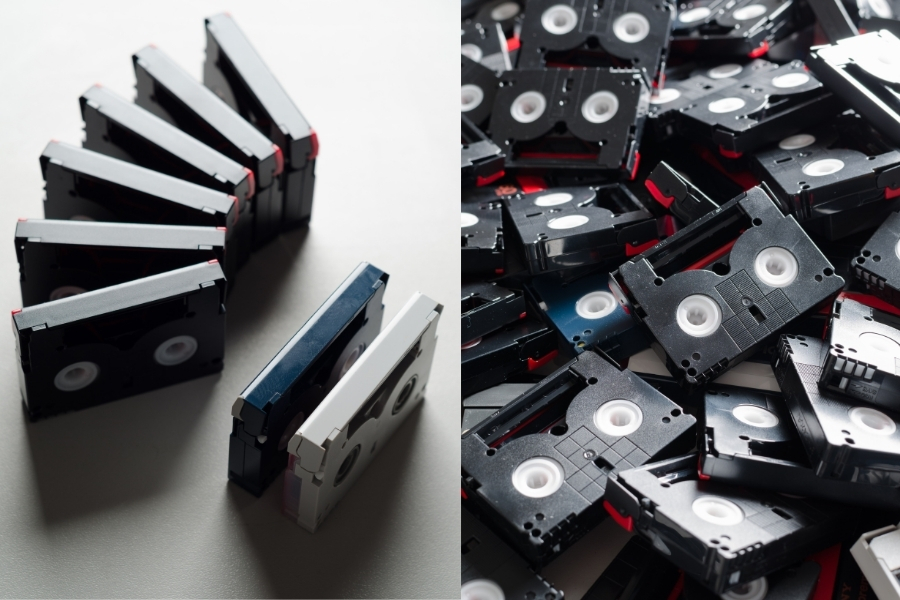
- MiniDV
- Betamax
- Camcorder tapes
These tapes hold birthdays, weddings, graduations, vacations, and everyday moments that can never be recreated. Unfortunately, magnetic video tape degrades over time. Most tapes have a lifespan of 20 to 30 years, and many are already past that point.
Why Video Tapes Are Failing
- Magnetic signal fades
- Tape becomes brittle or sticky
- Mold growth inside cassettes
- Playback machines are no longer available
Once a tape snaps or the signal fades too much, recovery may be impossible.
How Video Transfer Saves Them
Professional video transfer converts these tapes into modern digital formats. This not only stops further damage but also makes your videos easy to watch, share, and store safely on today’s devices.

2. Audio Recordings: Voices That Could Disappear
Types of Audio Media at Risk
- Cassette tapes
- Reel-to-reel tapes
- Microcassettes
- Mini cassettes
Audio recordings often hold deeply personal memories: a grandparent’s voice, interviews, music recordings, or messages from loved ones who are no longer with us. Losing these can feel like losing a part of someone forever.
Why Audio Media Is Vulnerable
- Tape stretch and breakage
- Signal loss over time
- Mechanical failure of players
- Environmental damage
Cassette tapes, in particular, were never meant for long-term storage. Many are already deteriorating beyond home repair.
The Importance of Audio Transfer
With professional audio transfer, these recordings can be digitized, cleaned up, and preserved in a way that keeps the original sound intact while protecting it from future damage.
3. Film Reels: Priceless Footage on Borrowed Time
Common Film Formats
- 8mm film
- Super 8 film
- 16mm film
Film reels often contain the oldest and rarest family footage. These might include scenes from the 1940s through the 1980s—moments that exist nowhere else.
Why Film Is at Risk
- Film becomes brittle and cracks
- Colors fade or shift
- Vinegar syndrome causes irreversible damage
- Projectors are rare and can damage film during playback
Unlike digital files, film degrades even when it’s not being used.
How Film Transfer Protects History
A professional film transfer process carefully converts film into high-quality digital files while preserving as much detail and color as possible. This allows families to enjoy their footage without risking further damage.
4. Photographs: Fading Images and Lost Stories
Types of Photos at Risk
- Printed photographs
- Photo albums
- Polaroids
- Loose prints
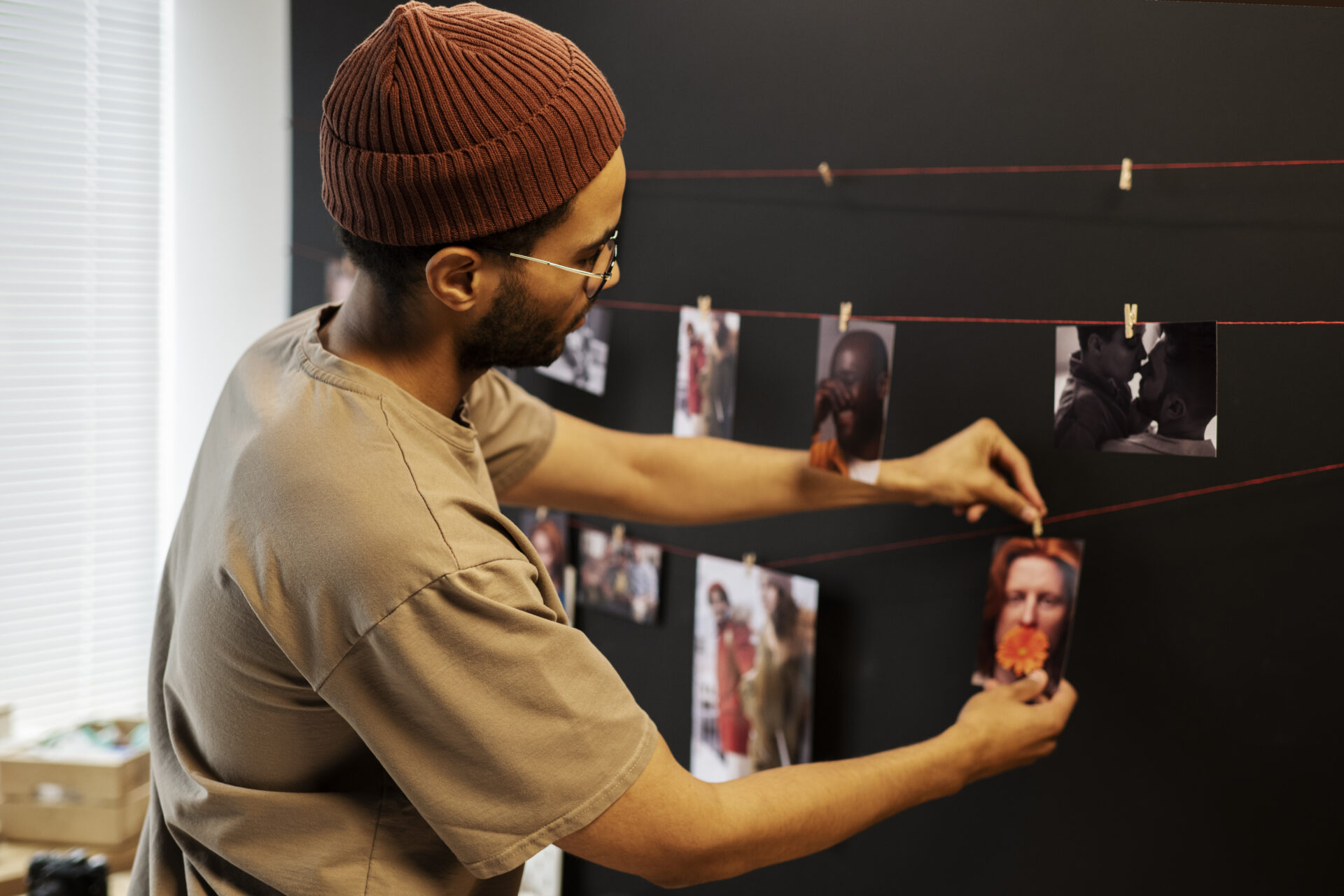
Photos are often passed down through generations, but many families don’t realize how fragile they are. Even when stored in albums, photos can fade, discolor, or stick together.
Why Photos Deteriorate
- Exposure to light and air
- Acidic paper and glue
- Heat and humidity
- Physical handling
Once a photo fades or cracks, the original detail is gone forever.
Photo & Slide Scanning for Preservation
Professional photo & slide scanning creates high-resolution digital copies that preserve every detail. Digitized photos can be restored, shared, and safely backed up without risking further damage to the originals.
5. Slides and Negatives: Forgotten but Not Safe
Common Formats
- 35mm slides
- Color negatives
- Black-and-white negatives
Slides were once the primary way families shared vacation memories and special events. Today, many sit untouched in boxes, slowly degrading.
Why Slides and Negatives Are at Risk
- Color fading
- Mold and dust buildup
- Chemical breakdown
- Lack of projectors and scanners
Slides and negatives often contain better image quality than prints—but only if they’re preserved in time.
The Role of Photo & Slide Scanning
With professional photo & slide scanning, these images can be converted into crisp digital files, often revealing details that were never visible in printed photos.
6. Media Loss Isn’t Just a Family Issue
While families are most affected, businesses, schools, churches, and organizations also face media loss. Training videos, recorded events, interviews, and historical documentation are disappearing simply because they were stored on outdated formats.
Preserving this content isn’t just about nostalgia—it’s about protecting history, culture, and knowledge.
Why Acting Now Matters
The biggest mistake people make is waiting. Media doesn’t warn you before it fails. One day it plays fine, and the next day it doesn’t.
By acting now, you:
- Preserve irreplaceable memories
- Avoid higher recovery costs later
- Ensure future generations can access your history
- Gain peace of mind
At Archieving life media, we see too many cases where media arrives just a little too late. Our mission is to help families and organizations protect their memories before that happens.
Conclusion: Preserve Your Memories Before They’re Gone
Every tape, photo, film, and recording tells a story. Once it’s lost, that story can never be retold in the same way. Media preservation isn’t just about technology—it’s about protecting the moments that define our lives.
At Archieving life media, we specialize in video transfer, audio transfer, film transfer, and photo & slide scanning to help families and organizations preserve what matters most. If you have old media stored away, now is the time to act.
If you’re ready to protect your memories or have questions about your media, contact us today. We’re here to guide you through every step and make the process simple and stress-free.
Stay connected with Archieving life media for tips, insights, and real stories about preserving memories. Follow us on Facebook, Instagram, and our Google Business Profile to see our latest projects, learn about media preservation, and stay inspired to protect your history.
Frequently Asked Questions (FAQs)
Q. How long does media transfer take?
The time depends on the type and amount of media. Most projects are completed within a few weeks. We always prioritize careful handling over rushing the process.
Q. Will my original media be returned?
Yes. All original tapes, films, photos, and slides are returned along with your digital copies.
Q. What digital formats will I receive?
Your transferred media can be delivered on USB drives, external hard drives, or other modern digital formats that are easy to use and store.
Q. Can old or damaged media still be transferred?
In many cases, yes. Even tapes or films that appear damaged may still be recoverable. It’s always worth having them professionally evaluated.