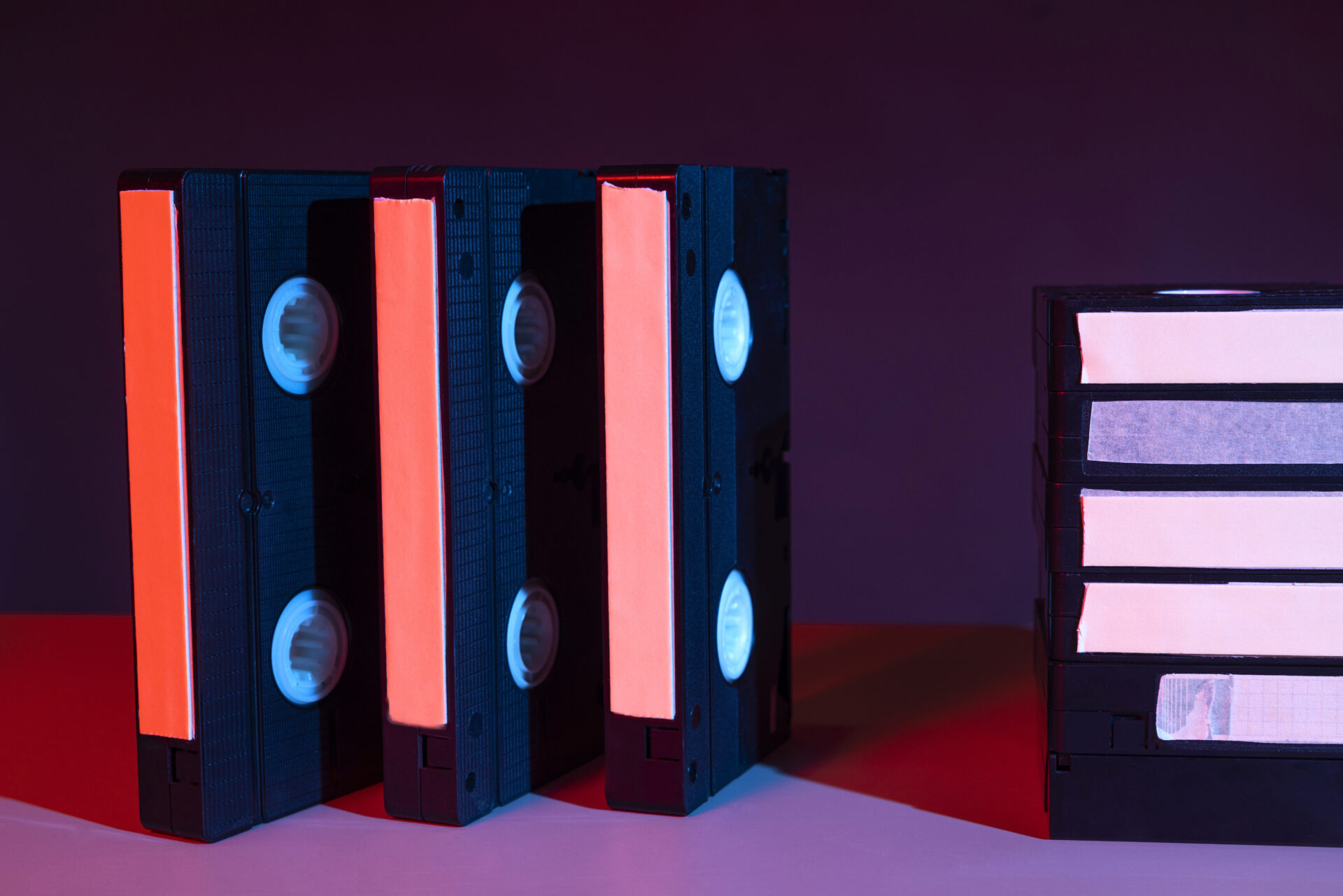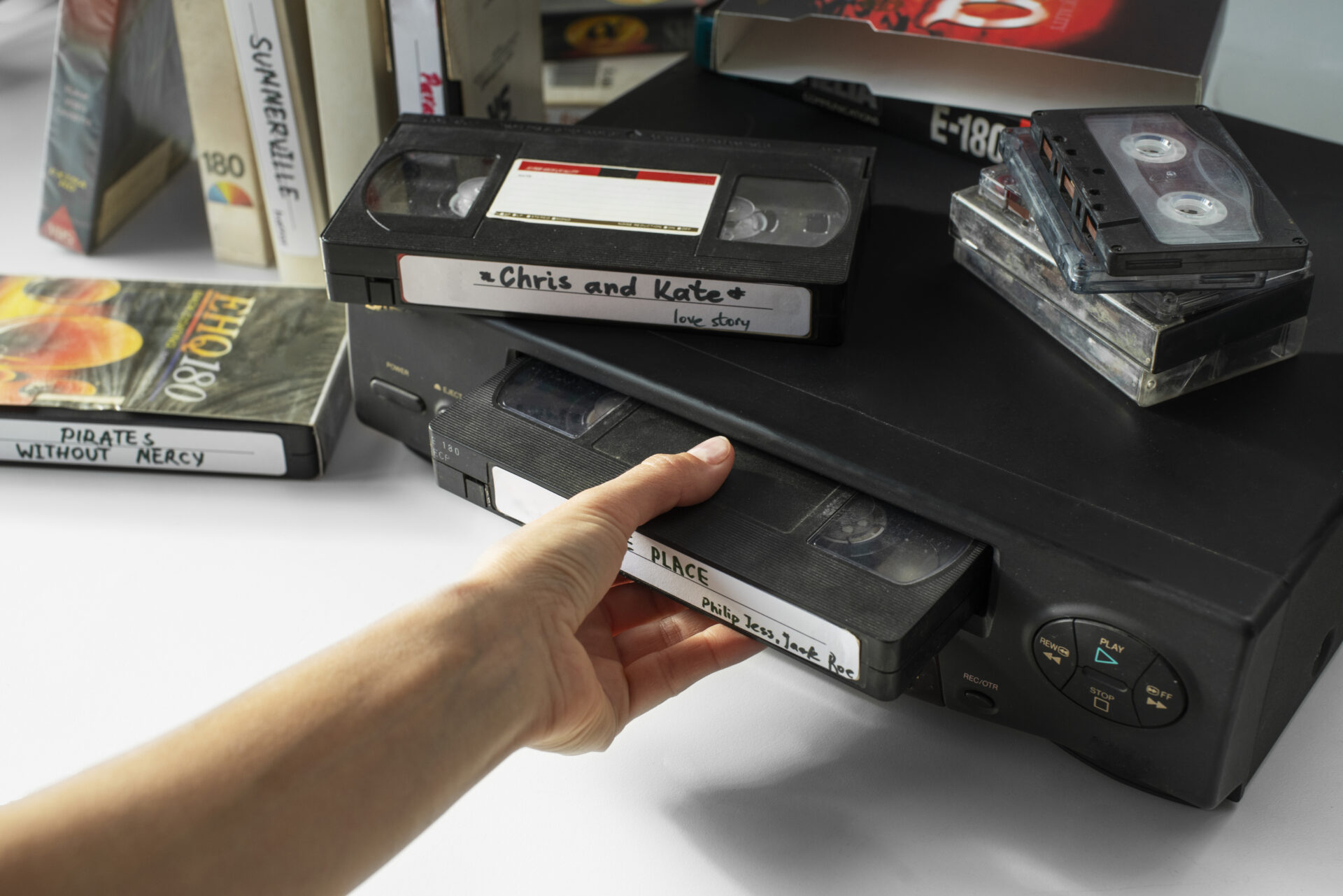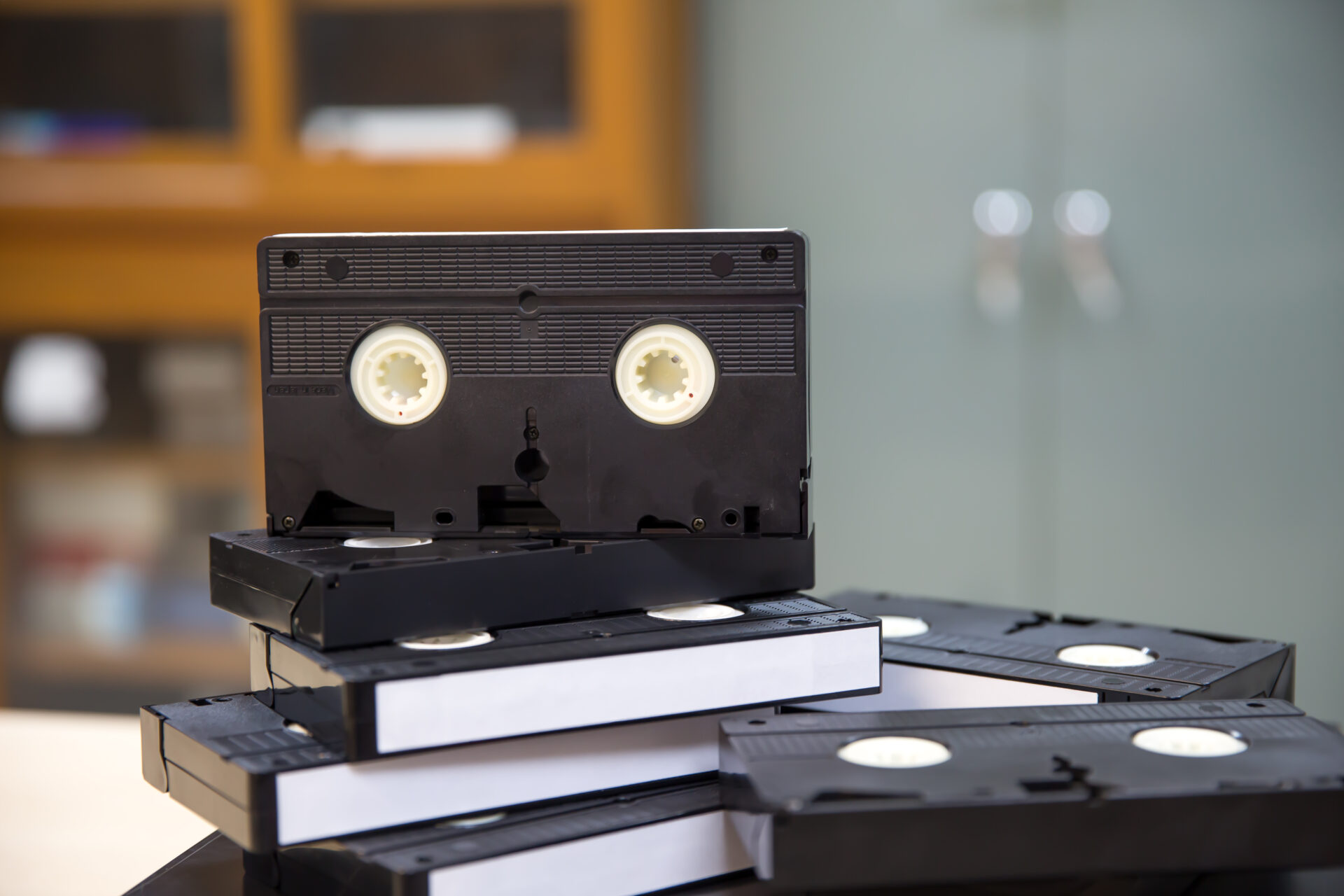
Somewhere in your home, there is probably a box of old VHS tapes, Hi8 cassettes, or film reels quietly collecting dust. Inside those tapes are birthday parties, graduations, first steps, holiday gatherings, and faces of people who may no longer be with us. The problem is that the devices needed to play those formats no longer exist in most households — and every year that passes, the tapes degrade a little more. That is where professional video transfer services come in. They take your aging footage and convert it into a digital format you can actually watch, share, and store safely for decades to come.
Why Old Home Videos Are Worth Saving
People often underestimate the value sitting inside those worn-out tapes. These are not just random clips — they are irreplaceable records of real moments. A child laughing in the backyard. A grandmother telling stories at Christmas dinner. A father teaching a son to ride a bike. No phone or cloud backup in the world holds footage from 1987, which is exactly why taking action now matters so much.
Magnetic tape — the material used in VHS, Betamax, Hi8, and similar formats — breaks down over time through a process called hydrolysis. This causes the binder layer to deteriorate, leading to playback issues, fuzzy images, audio dropout, and eventually complete loss of the signal. Most experts estimate that tapes recorded before 2000 are already in the danger zone. Waiting another five or ten years could mean losing the footage permanently.
What Formats Can Be Transferred?
One of the most common questions people ask is whether their specific format can actually be converted. The short answer is yes — most consumer and semi-professional video formats from the past 50 years can be transferred. Here are the formats that professional video transfer services typically handle:
- VHS and VHS-C tapes — the most common home video format from the 1980s and 1990s
- Betamax — Sony’s alternative to VHS, popular in the late 1970s and early 1980s
- Hi8 and Video8 — compact cassettes used in handheld camcorders
- MiniDV — the digital camcorder tape popular in the early 2000s
- 8mm and Super 8 film reels — home movie format used widely before videotape
- 16mm film — a semi-professional format used by some families and small organizations
- LaserDiscs — large optical discs that predated DVDs
- Audio cassettes and reel-to-reel — for those who also want old audio transferred
How the Transfer Process Actually Works
Many people imagine that converting a tape is as simple as plugging a VHS player into a computer. In reality, professional-grade transfer involves much more care and technical precision than that — which is exactly why the results from a trained technician look so different from a DIY attempt.
Step 1: Tape Assessment and Condition Check
Before anything is played back, the tape is physically inspected. Technicians check for mold, damage to the cassette shell, loose or broken tape, and signs of hydrolysis. Tapes that have not been stored properly sometimes require a drying process before they can be safely played. Skipping this step and forcing a degraded tape through a player can permanently destroy the footage.
Step 2: Playback on Professional Equipment
Consumer VHS players found at garage sales or online often have worn heads that introduce new noise and distortion into the signal. Professional facilities use broadcast-quality decks that are regularly maintained, cleaned, and aligned. These machines can read weaker signals more accurately and produce a much cleaner capture.
Step 3: Signal Capture and Encoding
The video signal is routed through a time-base corrector (TBC), which stabilizes the signal and corrects for the timing errors common in aging tape. From there, the footage is captured in real time into a high-resolution digital file. The encoding settings matter enormously here — too much compression at this stage results in loss of detail that cannot be recovered later.
Step 4: Delivery in Usable Formats
Once captured, the files are delivered in formats that work on modern devices — typically MP4 for everyday use, along with a higher-quality master file for archiving. Many services also offer USB drives, DVDs, or cloud upload options so that the files are immediately accessible without any extra steps.
Common Mistakes People Make When Trying to Save Old Tapes
There is no shortage of inexpensive converters and DIY kits sold online that promise easy digitization. Most people who try these routes end up disappointed. The picture quality is noticeably worse, the audio often goes out of sync, and the equipment can sometimes chew up and damage a tape that was still in decent condition. Once a tape is eaten by a worn-out player, recovery becomes much harder and significantly more expensive, if it is possible at all.
Another common mistake is leaving tapes in poor storage conditions under the assumption that they will be fine until there is time to deal with them. Heat, humidity, and light are the enemies of magnetic tape. A garage, attic, or basement — the most common storage spots — are often the worst possible environments for long-term tape preservation.
What Makes Archiving Life Media Different
At Archiving Life Media, every tape is treated as if it holds something precious — because it does. The team handles each transfer personally, not through automated mass-processing that treats your family memories like bulk commodity work. Here is what sets the process apart:
- Every tape is individually inspected before playback — no tape goes into a machine without a condition assessment first
- Broadcast-quality decks are used throughout, ensuring the strongest possible signal capture from even aged or partially degraded tapes
- A time-base corrector is used on every job to stabilize the video signal and reduce the noise that older tapes naturally carry
- Files are reviewed for quality before delivery — audio sync, image stability, and color are all checked
- Original tapes are always returned, handled with care throughout the process and packed securely for shipping back
- Delivery options include USB drives, cloud upload links, or physical DVDs based on what works best for the customer
The goal is not just to get a file onto a hard drive — it is to give you back access to moments that matter. That means paying attention to color, audio sync, and overall image stability throughout the process rather than simply pressing record and walking away.
How to Store Digital Video Files After Transfer
Getting your footage digitized is only half the work. Digital files also need a proper storage strategy to remain accessible long-term. A single hard drive is not a backup — it is a single point of failure. The standard recommendation from archivists is the 3-2-1 rule: keep three copies of your files, on two different types of media, with one copy stored off-site or in the cloud.
For most families, this means keeping one copy on a home hard drive, one on a USB drive stored somewhere else, and one uploaded to a cloud service like Google Drive, iCloud, or a dedicated platform like Backblaze. Once your footage is in this kind of system, it is genuinely protected in a way that a box of tapes in a closet never could be.
When Is the Right Time to Get Tapes Transferred?
The honest answer is: right now. There is no ideal future moment to deal with this — there is only a widening window of risk. Every year that tapes sit unwatched, the odds increase that some portion of the footage has degraded beyond recovery. Tapes recorded in the early 1980s are now more than 40 years old. Even tapes from the late 1990s are pushing past the 25-year mark, which is when experts say the risk of significant deterioration becomes very real.
If there is a major family event coming up — a reunion, a milestone birthday, an anniversary — having old footage digitized and ready to share can be an incredibly meaningful experience. It turns old recordings into something the whole family can enjoy together, rather than footage that only one person has seen in decades.
Video Transfer Service FAQs
1.How long does the transfer process take?
Turnaround time varies depending on how many tapes you have and the current volume at the facility. Most professional services take between one and three weeks for standard orders. Rush options are sometimes available for urgent needs such as a family event or reunion. It is always a good idea to reach out in advance so the timeline can be planned properly.
2.What if my tape is already damaged or moldy?
Damaged tapes can sometimes be partially or fully recovered depending on the type and extent of the damage. Mold, broken splices, and delamination are all conditions that trained technicians know how to work with. In many cases, a tape that appears to be unwatchable can still yield usable footage after proper treatment. It is always worth sending in a damaged tape for evaluation before assuming the footage is gone.
3.Will my original tapes be returned after the transfer?
Yes. Reputable providers always return your original tapes along with the digitized files. The tapes themselves carry sentimental value beyond the footage, and a professional service understands that. At Archiving Life Media, every original tape is carefully packed and returned to its owner once the transfer is complete.
4.What format will my digital files be delivered in?
Most professional video transfer services deliver files as MP4, which plays on virtually every device including phones, tablets, smart TVs, and computers. Higher-resolution master files are also available for long-term archiving purposes. Depending on the service, files can be delivered on a USB drive, DVD, or via a secure cloud download link.
5.How much does a professional video transfer typically cost?
Pricing varies based on the number of tapes, the formats involved, the condition of the tapes, and the delivery options selected. Most providers charge per tape or per reel, with volume discounts available for larger collections. While the cost may seem like an investment upfront, it is a one-time expense to permanently protect footage that cannot be re-recorded. Getting a quote based on your specific collection is the best way to understand what to expect.
The Footage Will Not Wait Forever
The moments recorded on those old tapes were important enough to film in the first place. They deserved to be captured then, and they deserve to be preserved now. Professional video transfer services exist specifically to solve this problem — giving families a reliable, high-quality path from deteriorating tape to lasting digital archive.
At Archiving Life Media, this work is not treated as a transaction — it is treated as a responsibility. The team understands what these recordings mean to the people who send them in, and that understanding shapes every step of the process from the moment a tape arrives to the moment the finished files are delivered.