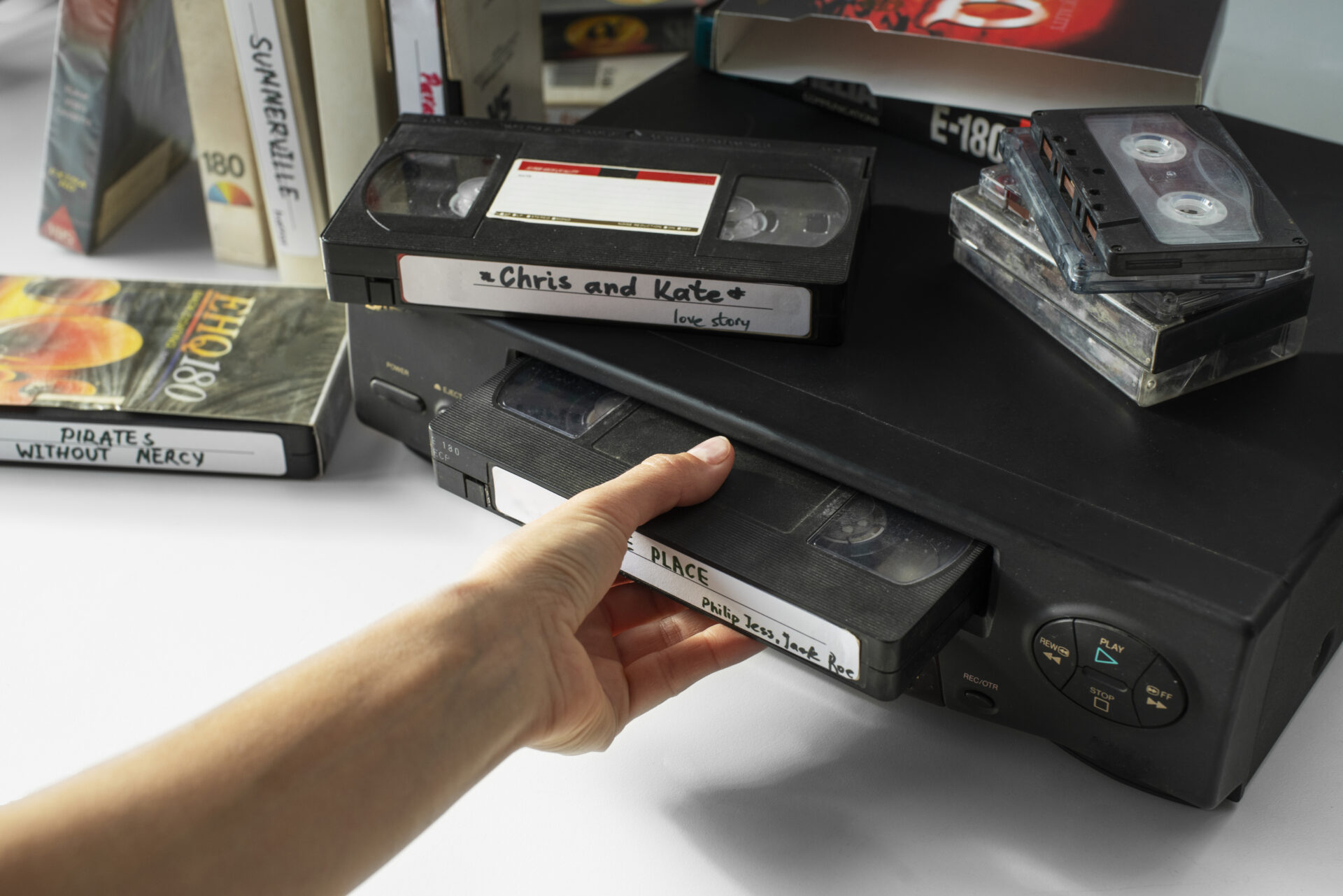
You pull a box of old VHS tapes out of the basement. There they are — birthday parties, holidays, family road trips, maybe a wedding or two. The problem is, you no longer own a VCR, and even if you did, those tapes won’t last much longer. Magnetic tape degrades. The colors fade. The sound warps. Within a few years, what is on those tapes could be gone for good.
That is where video transfer services shorewood, MN come in. But here is the thing — not every provider handles your media with the same level of care. Some outsource your tapes to third-party facilities. Some use outdated equipment. Others offer no quality check before sending your files back. When the content on those tapes is irreplaceable, choosing the right provider is not a small decision.
This guide breaks down exactly what to look for so you can make a confident, informed choice.
Why the Quality of Your Provider Matters More Than You Think
Old tapes are fragile. VHS, Hi8, MiniDV, and 8mm formats were not built to last forever. Many tapes produced in the 1970s through the 1990s are now well past their expected lifespan. Every time a degraded tape runs through a playback machine, it risks further damage — snapping, shedding oxide, or jamming. This means the first time you attempt to digitize is often the only chance you get.
A provider who does not clean and inspect tapes before playback, who uses consumer-grade equipment, or who rushes through large batches without attention to individual tapes can cause damage that cannot be undone. The goal of professional video transfer services is not just to convert a file — it is to protect the original media while producing the best possible digital output.
At Archiving Life Media, every piece of media is handled with care from the moment it arrives to the moment it is returned to you. Nothing is outsourced. Nothing leaves the building without passing through our quality checks.
Key Things to Look for When Choosing a Provider
There are several factors that separate a reliable video transfer service from one that simply processes tapes in bulk and ships them out. Here is what you should ask about and check before handing over your memories.
1. In-House Processing vs. Outsourcing
This is one of the first questions you should ask. Many services that appear local actually ship your tapes to large processing facilities in other states. Once your media is out of their hands, they have no control over how it is handled.
A provider that keeps everything in-house means your tapes stay under one roof, with trained staff who handle them directly. You know where your media is at all times, and there is no risk of it getting lost in a shipping chain or mishandled by a third-party facility you know nothing about.
2. The Formats They Are Able to Handle
Not all providers work with every format. A good video transfer service should handle a wide range of tape types without hesitation. This matters because many households have a mix of formats sitting in the same box — VHS from the 1980s alongside a MiniDV from a 2002 vacation.
Common formats a quality provider should be able to digitize include:
- VHS and VHS-C
- MiniDV and Digital8
- Hi8 and Video8
- Betamax
- 8mm and Super 8 film reels
3. Equipment and Transfer Quality
The equipment used to capture your footage makes a real difference in the final output. Providers using professional-grade decks and capture cards produce significantly sharper, cleaner results than those using consumer equipment bought at a retail store.
Ask whether the provider uses time-base correctors (TBCs), which stabilize the video signal during capture and reduce distortion. This is one of the clearest signs that a provider takes quality seriously. Budget operations skip this step. Professional ones do not.
4. Output Options That Fit Your Life
Once your footage is digitized, how do you get it? A trustworthy video transfer service offers flexible delivery options. You should not be locked into one format that may not work for your devices or storage preferences.
Archiving Life Media provides your finished files via USB drive, cloud download link, or DVD — whichever works best for you. This flexibility means your memories are immediately accessible across multiple devices and backed up in a format you actually use.
5. Transparent Pricing and Turnaround Time
Before you drop off a single tape, you should know what you are paying and when to expect your order back. Vague pricing that only becomes clear at checkout is a red flag. So is a turnaround time that stretches into months without any communication.
Most standard orders at a reputable provider are completed within five to ten business days. Larger projects may take longer, but you should always receive an estimated timeline before work begins. No surprises. No waiting around without answers.
Red Flags to Watch Out For
Just as important as knowing what to look for is knowing what should give you pause. The video transfer industry has no shortage of mail-in operations that prioritize volume over care. Here are warning signs worth paying attention to.
- No clear information about whether work is done in-house or outsourced
- No mention of the equipment or process used for capture
- Pricing that is hidden until the final step of checkout
- No physical address or local presence — only a mailing address
- Little to no customer communication after drop-off or shipping
- No reviews or testimonials from real, verifiable customers
The Difference Between Local and Mail-In Services
Mail-in video transfer services have grown in popularity because they seem convenient. You box up your tapes, ship them off, and wait. But convenience has a cost when the media being shipped is irreplaceable.
Shipping fragile tapes introduces real risk — packages get lost, delayed, or mishandled in transit. Once a tape is damaged in shipping, there is no recovery. A local provider allows you to hand-deliver your media and pick it up in person. You see where it goes. You speak directly with the person handling it.
For families in and around Bloomington, Minnetonka, Chanhassen, and Shorewood, Archiving Life Media is a local option with a physical location you can walk into. You are never handing your memories to a faceless operation on the other side of the country.
What Good Video Transfer Services Actually Look Like
A professional video transfer service does not just run your tapes through a machine and export a file. It involves a full process that treats your media with the seriousness it deserves.
At Archiving Life Media, the process starts with a thorough inspection of each tape before it goes near any playback equipment. Tapes are cleaned when needed. Damaged cassette shells are repaired before playback to prevent the tape from snagging or breaking mid-transfer. Each capture is monitored in real time to catch any issues as they happen — not after the fact.
The result is not just a digital file. It is a clean, well-organized archive of your footage — properly labeled, in a format that will work on your devices for years to come.
When Is the Right Time to Act?
Magnetic tape has a lifespan. Most VHS tapes produced in the 1970s through 1990s are already in decline. Some have already reached a point where playback is impossible. The tapes sitting in your closet right now may look fine on the outside, but the magnetic coating that holds the video signal can crumble, stick together, or simply degrade beyond recovery.
The best time to get your tapes digitized was ten years ago. The second-best time is right now. Every year you wait increases the chance that some footage becomes unrecoverable.
Video transfer services exist precisely because of this problem. The technology to preserve these recordings exists today. The only question is whether you use it before it is too late.
Corporate and Institutional Media Needs
Archiving Life Media does not only serve families. Organizations, schools, businesses, and nonprofits often hold archives of video content on aging formats — training videos, board meeting recordings, event footage, promotional material — that no longer has a viable playback device.
Professional video transfer services for corporate clients require the same attention to detail, but often at a larger scale. Bulk orders, consistent file naming conventions, and organized digital archives are all part of what Archiving Life Media provides for institutional clients in the greater Minneapolis area.
What Our Clients Say
The reviews Archiving Life Media has received tell the story better than any list of features could. Customers have described getting back footage they feared was gone forever — grandparents’ voices on 1940s recordings, children’s first steps on deteriorating tapes, wedding footage that had never been watched since the day it was recorded.
What consistently stands out in reviews is not just the quality of the output, but the communication throughout the process. Clients know the status of their order. They are contacted if any issue arises. They receive their media back exactly as they left it, along with their new digital files in whatever format they requested.
Ready to Preserve Your Memories?
You do not need to sort through every old tape before reaching out. Bring us what you have — VHS, Hi8, MiniDV, camcorder tapes, or any format you are unsure about — and we will walk you through the options. There is no pressure and no obligation to commit until you know exactly what the process involves and what it will cost.
Archiving Life Media has been serving families and businesses in Bloomington and the surrounding communities since 2011. Every transfer is done in-house. Every original is returned. Every file is checked before delivery.
Stop by our Bloomington location, or book your appointment online today.
Final Thoughts
Choosing a video transfer service comes down to trust. You are handing over recordings that cannot be replaced. The provider you choose should be transparent about their process, honest about what to expect, and genuinely invested in the outcome — not just in processing the next order in line.
Ask the right questions. Check for real reviews. Find out whether the work is done in-house. Look for a local presence over a faceless mail-in operation.
When those things line up, you have found a provider worth trusting with your memories. Archiving Life Media is that provider for families and businesses across Bloomington and the Twin Cities area.