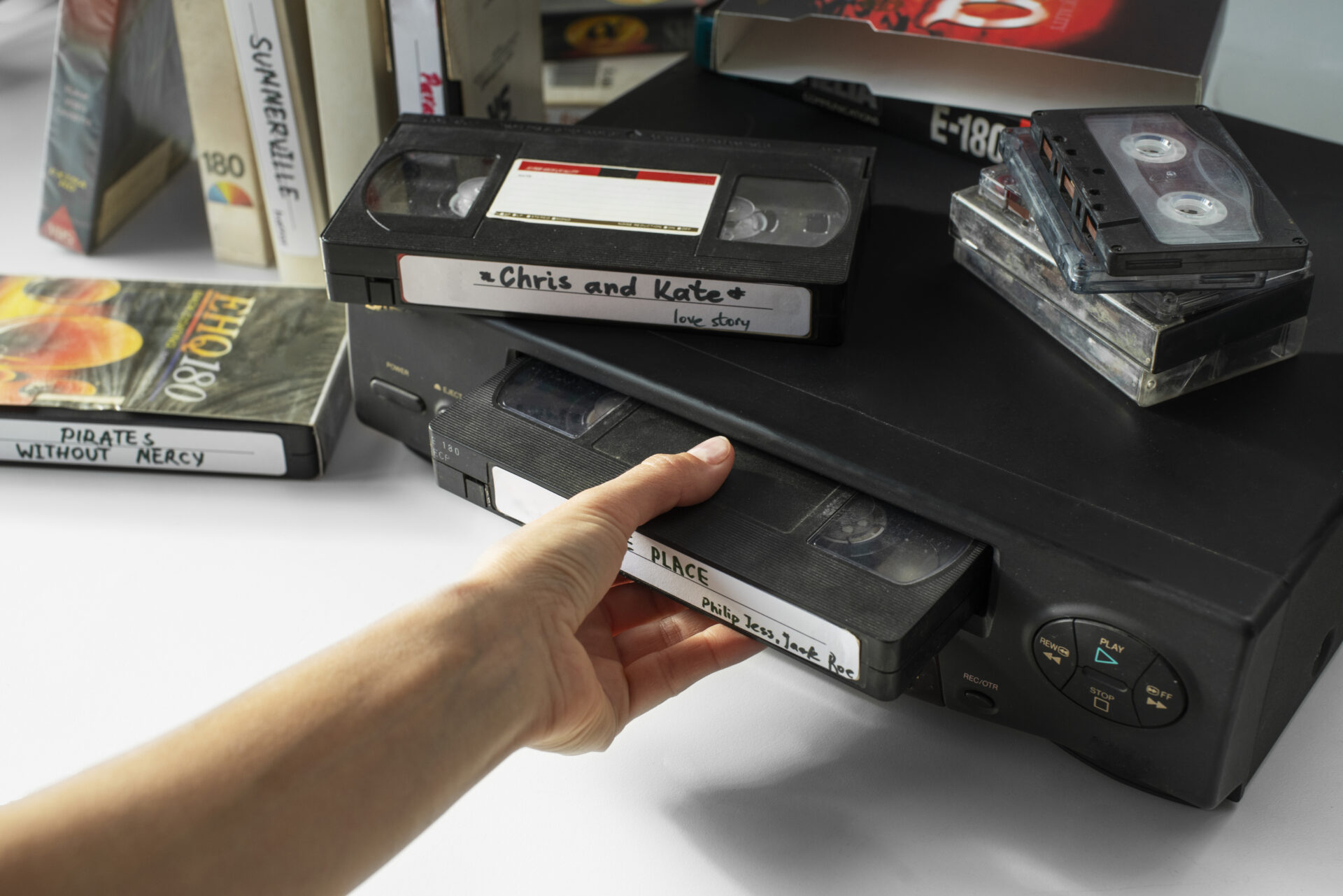
Old audio tapes do not last forever. Whether it is a cassette recording of a loved one’s voice, a reel-to-reel interview from decades past, or a microcassette with business notes that still matter today, analog audio degrades with time. The magnetic coating on tapes breaks down, players become harder to find, and one day the recording simply stops working. That is the reality no one wants to face until it is too late.
When the moment comes to act, most people search for an audio transfer service near me and find a long list of options. Some are local businesses, some are national mail-in companies, and some are simply hobbyists offering cheap conversion with basic equipment. Knowing the difference matters — because not all services treat your recordings with the same level of care.
This guide walks you through the key factors to check before choosing a provider, so you hand your tapes to someone who will return them — and your memories — in the best possible condition.
Why Your Choice of Provider Matters More Than You Think
Most people treat audio digitization as a one-time task. You drop off the tapes, pick up a USB drive, and you are done. But the quality of the final recording depends entirely on what happens in between. A cheap conversion using outdated playback equipment and no restoration process can give you digital files full of hiss, drop-outs, and distortion. A professional process gives you clean, clear audio that you can actually share and enjoy.
Your original tapes cannot be re-transferred once they are gone. The magnetic particles on a badly handled tape can scatter with even one poor playback. That means the decision you make right now is the only one you get.
Check What Audio Formats They Actually Support
Not every audio transfer service near me handles every format. Some providers only work with standard cassette tapes. Others go further and handle microcassettes, reel-to-reel recordings, wire recordings, dictation belts, and vinyl records. Before you call or visit anyone, list exactly what formats you have.
Common Formats Worth Asking About
Before committing to any provider, ask them directly if they can handle each of the following:
- Standard audio cassette tapes (Type I, II, and IV)
- Microcassettes and mini-cassettes (often used for voice memos)
- Reel-to-reel audio at various speeds (1 7/8, 3 3/4, 7 1/2, and 15 ips)
- Wire recorder spools from the 1940s and 1950s
- Vinyl records including 33, 45, and 78 RPM
- Digital Audio Tapes (DAT) and 8-track cartridges
A provider that covers rare formats has invested in proper equipment and knows what they are doing. If they only mention cassettes, they may not be the right fit for everything in your collection.
Ask About the Equipment and Playback Process
The quality of the final digital file depends heavily on the playback deck used during the transfer. A worn belt, dirty pinch roller, or misaligned tape head will distort your audio even before it reaches the computer. Professional services use regularly maintained, high-grade playback equipment that handles tapes gently and accurately.
Ask whether the provider cleans tapes before playback, what kind of decks they use, and whether they play each tape in real time or use faster-than-normal transfer speeds. Real-time transfer is the correct method for audio. Any provider that claims to transfer a 90-minute tape in five minutes is not doing it right.
Does the Service Include Audio Restoration?
Basic digitization just moves the sound from tape to file. Professional restoration goes further by reducing background hiss, removing clicks and pops, correcting speed issues, and boosting low-level recordings. This step can make the difference between a barely audible file and something genuinely listenable. Always ask whether noise reduction and restoration are included or available as an add-on.
Understand How They Handle Your Original Media
Your tapes are irreplaceable. Once the magnetic coating deteriorates or the tape snaps during a careless playback, nothing can recover that recording. A trustworthy audio transfer service near me will tell you exactly how your originals are stored during the process, whether they are handled one at a time, and how they are returned to you.
Good providers label every item when it arrives, store tapes in a controlled environment away from heat and moisture, and return all original media along with the finished digital files. If a company does not return your originals or seems vague about how they handle them, look elsewhere.
Output Format Options Matter for Long-Term Access
Once your audio is digitized, you need a format that works for you today and remains accessible years from now. Different providers offer different delivery options. Some give you a CD, some a USB drive, and some provide a cloud download link. The best services offer a choice so you are not locked into one format.
For audio specifically, ask whether they export as WAV (uncompressed and best for archiving), MP3 (smaller and good for everyday sharing), or both. WAV files preserve every detail of the original recording, while MP3 files are easier to email and upload. A professional service will offer at least one of these and ideally let you choose.
Local vs. Mail-In: Which One Makes More Sense?
When someone types audio transfer service near me into a search engine, they are often hoping to find someone local — and for good reason. Shipping fragile tapes through a postal service carries real risk. Boxes get dropped, temperatures inside delivery vehicles can spike, and packages occasionally go missing. With a local provider, you hand off your tapes in person and pick them up the same way.
Local services also allow you to ask questions before and after the job, inspect the finished product before you leave, and build a relationship with someone who cares about the community. If something is not right with the transfer, a local provider can fix it on the spot instead of requiring you to mail tapes back and forth.
Look at Real Customer Reviews — Not Just Star Ratings
A five-star rating says very little on its own. What you want to read are the detailed reviews where past customers describe their specific experience. Did the provider handle unusual formats? Did they communicate clearly about turnaround time? Did they restore audio that seemed beyond saving?
Pay attention to how the business responds to negative reviews as well. A provider that addresses concerns professionally and honestly is one that takes their reputation seriously. That kind of accountability usually reflects how they treat your tapes during the job too.
Turnaround Time and Communication Standards
A good audio transfer service near me will give you a realistic estimate before they start and keep you updated if anything changes. Standard orders for small collections typically take five to ten business days. Larger batches, rare formats, or recordings that need restoration may take longer.
The warning sign is a provider who gives no estimate at all, or one who promises instant turnarounds without explaining how. That kind of vague communication at the start usually continues throughout the job.
Pricing Transparency and What You Should Expect to Pay
Pricing for audio transfers varies based on the format, length, and any restoration work involved. Standard cassette transfers are typically priced per tape, while reel-to-reel and specialty formats often cost more due to the time and equipment required. Some providers charge per tape, others per hour of audio.
What matters most is whether the provider is upfront about pricing before they start work. Hidden fees for output formats, labels, or cleaning are a sign that the business is not being straightforward. Ask for a written quote that breaks down exactly what is included.
Why Families in Bloomington Trust Archiving Life Media
Archiving Life Media has served families and businesses in Bloomington, MN since 2011. The team handles cassette tapes, microcassettes, reel-to-reel recordings, wire recorder spools, and vinyl records — all with professional-grade equipment and real-time transfer processes. Every original is returned with care, and finished files are delivered via USB, DVD, or cloud link based on what works best for the customer.
The process is simple: drop off your tapes at the Bloomington location or mail them in, and the team handles everything from cleaning and playback to noise reduction and final delivery. No cutting corners, no rushing, and no hidden fees.
Ready to Preserve Your Audio Memories?
Your old tapes are waiting. Every day that passes is a day closer to permanent loss. Take the first step toward saving those recordings — it only takes a few minutes to get started.
➤ Book Your Audio Transfer Today — Visit Our Contact Page
Drop off in person at our Bloomington, MN location or request a free mail-in transfer kit.
Frequently Asked Questions
1. What types of audio formats can be digitized through a professional audio transfer service?
Most professional services handle standard cassette tapes, microcassettes, reel-to-reel recordings, DAT tapes, wire recorder spools, and vinyl records. The exact formats supported depend on the provider’s equipment. Always confirm your specific formats before dropping anything off.
2. How long does the audio transfer process typically take?
Standard orders for small collections are usually completed within five to ten business days. Larger batches, unusual formats, or recordings that need restoration may take additional time. A reliable provider will give you a clear estimate when you drop off your items.
3. Will I get my original tapes back after the transfer?
Yes — any reputable audio transfer service near me will return all original media along with your finished digital files. If a provider does not return your originals or charges an extra fee to do so, that is a red flag worth paying attention to.
4. What digital file formats will I receive for my transferred audio?
Most professional services offer WAV files for archiving and MP3 files for everyday use. Some also provide delivery via USB drive, DVD, or cloud download link. Choose WAV if you want to preserve the highest quality, and MP3 if you mainly plan to share or stream the recordings.
5. Is audio restoration included, or is it a separate service?
This varies by provider. Basic digitization transfers the audio as-is, while restoration involves removing hiss, clicks, drop-outs, and speed errors. Some services include basic noise reduction in the standard price, while deeper restoration is offered as an add-on. Always ask upfront so you know exactly what you are getting.