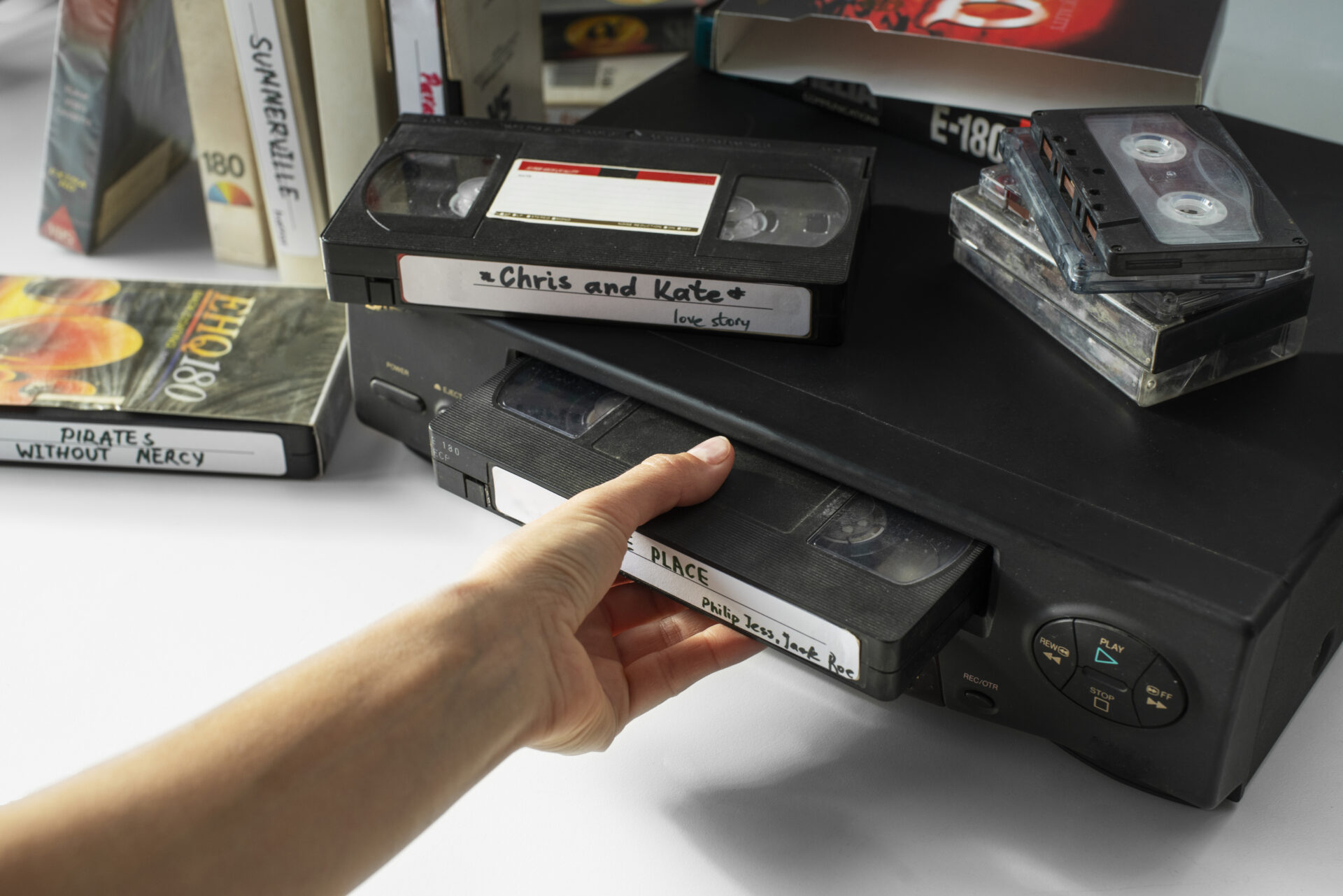
There is a shoebox in almost every closet. A drawer somewhere holds a stack of VHS tapes with handwritten labels that have started to fade. A film reel sits in a case nobody has opened in twenty years. These objects hold something that cannot be replaced: the sound of a grandmother’s laugh, a wedding dance, a child’s first steps caught on a shaky camcorder. At Archive Life Media, we work with these objects every single day, and we understand exactly what is at stake when a family hands them over.
This is not just a transaction. It’s an act of trust. Families are asking us to take the most fragile, irreplaceable pieces of their history and turn them into something that will last. That responsibility shapes everything about how we work, from the equipment we use to the way we communicate with the people who walk through our door.
The Weight Behind Every Tape and Photo
Old media doesn’t just carry images. It carries relationships. A cassette tape might hold the only recording of a father’s voice. A roll of 8mm film might be the sole record of a childhood home that no longer exists. When people bring these items to us, they aren’t asking for a simple format conversion. They’re asking us to protect something they cannot get back if it’s lost or damaged.
We’ve built our process around that reality. Every tape, reel, or photograph that comes through our doors is treated as one of a kind, because in most cases, it truly is. There’s no backup copy sitting somewhere else. If a piece of media is damaged during handling or the transfer process, that memory is gone for good. This is why families searching for a bloomington media transfer service consistently come back to us for their second, third, and fourth projects. Once someone trusts us with one box of memories, they tend to trust us with the rest of the collection too.
What Makes a Media Transfer Service Trustworthy
Trust in this line of work isn’t built through marketing claims. It’s built through consistency, transparency, and technical skill applied the same way every single time. A family bringing in fifty-year-old home movies needs to know a few things before they hand anything over.
They need to know their originals will come back to them exactly as they were given, not scratched, not misplaced, not sitting in a pile with someone else’s order. They need to know the person handling the equipment actually understands how different formats degrade and what that means for picture and sound quality. And they need to know that if something is wrong with a tape or reel, they’ll be told honestly rather than handed a poor-quality digital file without explanation.
Here’s what we focus on with every project that comes through our studio:
- Careful inspection of each item before any transfer begins, so problems like mold, tape stretching, or brittle film are caught early
- Equipment that is cleaned and calibrated regularly, since dirty playback heads are one of the most common causes of avoidable damage
- Manual monitoring during the actual transfer, rather than leaving machines to run unsupervised
- Clear communication about the condition of each item and realistic expectations for the final result
- Secure handling of originals throughout the entire process, from drop-off to pickup
Families who search for a bloomington media transfer provider are usually looking for reassurance as much as they’re looking for a service. They want someone who treats a box of home movies the way they would want their own family memories treated.
The Formats We Work With, and Why Each One Is Different
People often assume that transferring old media is a one-size-fits-all process. It isn’t. VHS tapes, Hi8 camcorder tapes, MiniDV cassettes, 8mm and Super 8 film, audio cassettes, vinyl records, and photographic slides all behave differently, and each one requires its own approach.
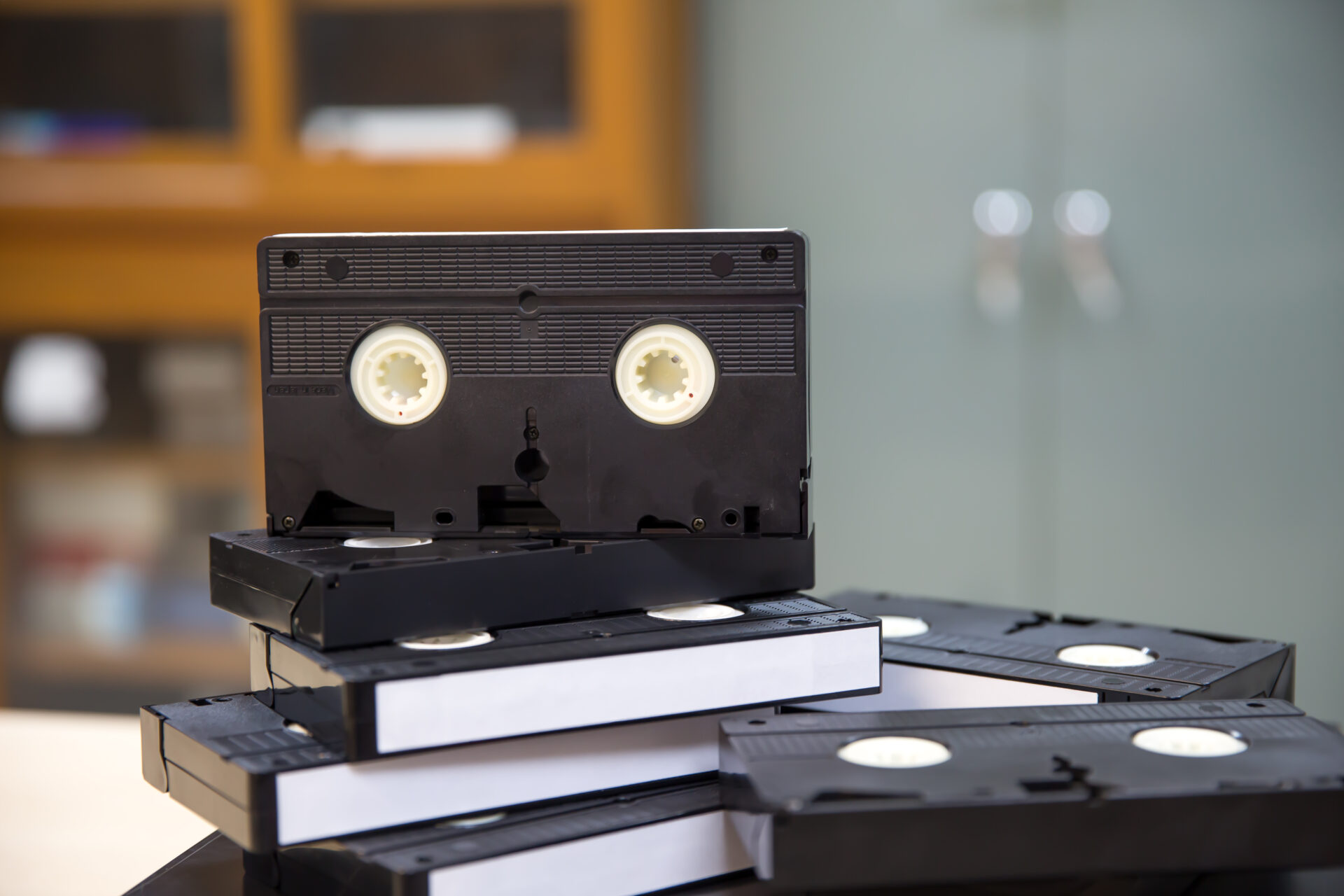
VHS and camcorder tapes are magnetic media, which means the picture and sound are stored on a strip of coated tape that physically degrades over time. Heat, humidity, and simple age cause the magnetic particles to weaken, which is why old tapes often show fading color, dropout lines, or muffled audio. Film reels work on an entirely different principle, since the image is captured chemically on a strip of film rather than magnetically. Film can suffer from vinegar syndrome, brittleness, or color shifting, and it needs to be handled with a completely different kind of equipment than tape does.
Photographs and slides bring their own set of challenges, particularly around dust, scratches, and color fading from light exposure over the decades. Getting an accurate, true-to-life scan requires more than just placing a photo on a flatbed scanner and pressing a button.
This is part of why a general-purpose approach doesn’t work well for something this personal. A studio that understands the physical differences between these formats can catch problems before they become permanent losses, and that understanding is exactly what people are hoping to find when they look into bloomington media transfer options in their area.
Real Stories, Real Reasons People Choose Us
A woman recently brought in a small stack of audio cassettes her mother had recorded decades earlier, simple conversations about daily life that nobody thought to save digitally until it was almost too late. One of the tapes had started to develop a faint hiss that threatened to overtake the recording within a few more years. Getting it digitized in time meant her children and grandchildren will be able to hear that voice for generations, not just until the tape wore out completely.
Another family brought in a box of Super 8 film from a father who had passed away, footage of birthday parties, a first day of school, a backyard barbecue from nineteen seventy-something. The film had never been opened after his passing. Watching it converted into a digital file, projected on a screen for the whole family to see together, turned into an emotional afternoon that none of them expected but all of them needed.
These are not unusual stories in our line of work. They are, in many ways, the whole reason this business exists. People don’t come to us because they want a technical service. They come because they want to hold onto something that matters, and they need help doing it before time runs out.
How We Approach Every Project
Consistency matters more than speed in this kind of work, and that shapes our process from the moment a project begins. Every item is logged and inspected individually, not batch-processed without a second look. We use professional-grade equipment designed specifically for archival transfer work rather than consumer-level devices, because the difference in quality is significant, especially with older or more fragile formats.
Color correction and audio balancing are handled manually where needed rather than left entirely to automated settings, since automated defaults often miss the subtle adjustments that make an old recording sound and look its best. Files are delivered in formats that are widely compatible and built to last, so families aren’t stuck with a digital copy that becomes outdated in a few more years the way the original tape did.
We also believe strongly in transparency about pricing and turnaround time. Nobody should be surprised by a bill or left wondering when their family memories will be ready. Clear expectations from the start are part of what makes this whole process feel safe rather than stressful.
Why This Work Matters More Than Ever
Physical media doesn’t last forever. VHS tapes have a realistic shelf life of a few decades before the magnetic tape degrades to the point of no return. Film reels can become brittle or chemically unstable. Photographs fade under light exposure, and the machines needed to even play back older formats like VHS or 8mm are becoming harder to find and repair.
This creates a genuine sense of urgency, though not the kind meant to pressure anyone into a rushed decision. It’s simply the reality of aging media. Every year that passes increases the risk that a tape won’t play at all, or that a reel of film has degraded past the point where a clean transfer is possible. Families who wait too long sometimes discover that the memory they hoped to save is already gone.
That’s part of why so many households across the region turn to a trusted bloomington media transfer partner rather than attempting a do-it-yourself approach with consumer equipment. The stakes are simply too high to treat these projects casually.
Read More Slide Carousels to Digital Albums: Bringing Old Photos Into the Present
A Personal Approach to a Personal Kind of Work
Every family’s collection tells a different story. Some people bring in a handful of tapes from a single event. Others bring in decades of accumulated home movies, photographs, and audio recordings that need to be organized, sorted, and prioritized. There’s no single formula that fits every situation, and we don’t try to force one.
Instead, we take the time to understand what each family actually needs. Sometimes that means recommending which items should be transferred first because they’re at the highest risk of deterioration. Sometimes it means walking someone through the differences between file formats so they can choose what works best for how they plan to share or store their memories. This kind of individual attention is part of why so many families keep coming back with each new box they find in storage.
Questions Families Often Ask Before Starting
Most people who reach out to us have never gone through a media transfer project before, and it’s natural to have questions before handing over something so personal. One of the most common concerns is whether the original tapes or film will be returned in the same condition they arrived in. We handle every item the same way a museum might handle a fragile artifact, with careful labeling and minimal physical contact beyond what’s needed for the transfer itself.
Another frequent question involves file quality and what to expect from older, worn formats. It’s important to be upfront here: no amount of skill can add back detail that has already been lost to decades of wear, mold, or improper storage. What good equipment and careful technique can do is capture everything that remains as accurately as possible, without introducing new problems like dropped frames, warped audio, or color distortion. Setting honest expectations at the start is part of building the kind of long-term trust that keeps families coming back for future projects.
People also ask how long a typical project takes, and the honest answer is that it depends on the volume and condition of the collection. A handful of tapes might be ready within a couple of weeks, while a large family archive spanning several decades understandably takes longer to process with the care it deserves. We always communicate a realistic timeline upfront rather than making promises that don’t hold up once the work actually begins.
Finally, many people wonder whether it’s worth transferring media that already looks fairly worn or faded. In most cases, the answer is yes. A slightly degraded recording today is very often a completely unwatchable or unlistenable one within another decade. Choosing a dependable bloomington media transfer service now, rather than waiting, is usually the difference between preserving a memory and losing it permanently.
Ready to Preserve What Matters Most
If there’s a box of tapes sitting in a closet, or a stack of film reels waiting in the garage, now is a good time to think about getting them transferred before further deterioration sets in. Every family we’ve worked with has a story about why their memories matter, and we would be glad to help write the next chapter of yours.
Reach out to our team today to talk through your collection and get a clear sense of what preserving it would involve. Your family’s story deserves to be told for many more years to come, and it starts with a simple conversation about how we can help.