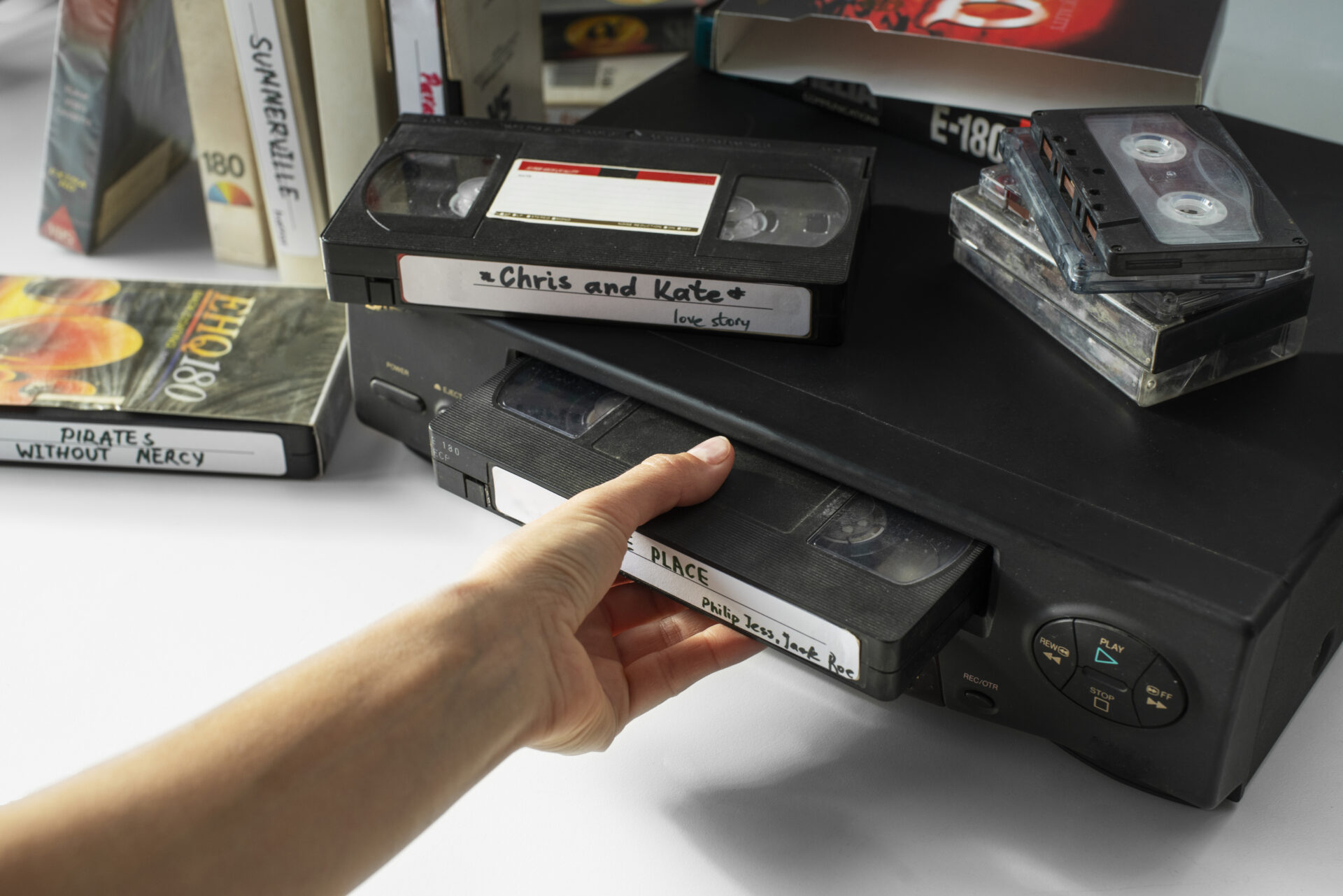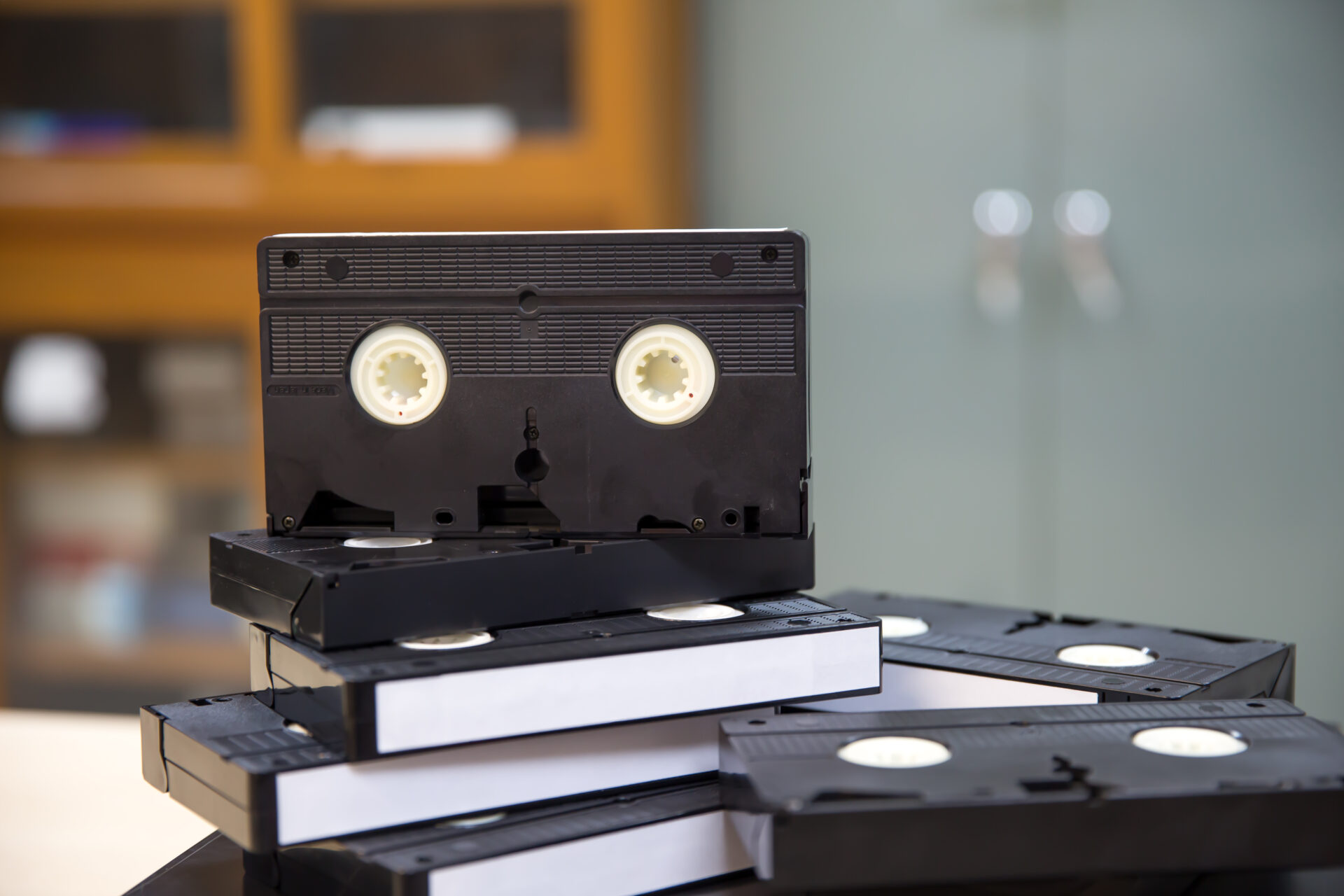
If you have a box of old tapes sitting in a closet, you have probably asked yourself one question before doing anything else: what will this cost? The price to convert VHS to digital depends on a few things, and once you understand what drives the cost, it becomes much easier to plan a budget for your whole collection instead of guessing.
This guide breaks down what you should expect to pay per tape, what changes the price up or down, and how to avoid paying more than you need to.
What Determines the Price of VHS to Digital Conversion
Not every tape costs the same amount to transfer. A company or a home setup has to account for the length of the tape, the condition it is in, and the format you want the final file saved in. A standard 2-hour VHS tape in decent condition is a fairly simple job. A tape that is moldy, torn, or recorded on an old camcorder format is a different story and usually costs more to handle safely.
Pricing also depends on who is doing the work. A local shop, a mail-in service, and a do-it-yourself setup at home will all land at different price points, and the gap between them can be larger than people expect.
Average Cost Per Tape
Most professional transfer services charge somewhere between $15 and $30 per standard VHS tape when you send in a batch. Single tapes, or smaller orders, tend to sit on the higher end of that range because there is less volume to spread setup costs across. Tapes longer than the standard 2-hour length, or tapes in poor condition, can push the price higher, sometimes to $35 or more.
If you are getting quotes and one service is priced far below this range, ask what is actually included. Some companies charge a low base price and then add fees for the digital file format, cloud storage, or shipping the tapes back.
DIY vs Professional Conversion Costs
People often start by asking whether doing it themselves would save money. The honest answer is that it depends on how many tapes you have and how much your time is worth.
Cost of Doing It Yourself
A basic USB video capture device costs between $20 and $80. Add a working VCR, which can run anywhere from $30 to over $100 if you buy one secondhand, plus software for cleaning up the video. Once you have the equipment, each tape still takes as long to transfer as it does to watch, since the process happens in real time. For someone with five or six tapes, this can work out fine. For someone with fifty tapes, the time cost adds up fast, and there is a real risk of damaging an old tape in a VCR that was not built to handle it.
Cost of Using a Professional Service
When you pay someone else to convert VHS to digital, you are paying for equipment that has already been tested on thousands of tapes, along with the time and handling that comes with it. For a handful of tapes, this usually costs more than doing it yourself. Once you get past 15 or 20 tapes, professional pricing per tape often drops through bulk pricing, and it starts to make more financial sense than buying equipment you will only use once.
There is also a quality difference that is easy to miss when comparing prices on paper. A consumer capture card connected to a home VCR often produces a file with visible noise, color drift, or tracking lines, especially on older tapes that were never in perfect shape to begin with. A shop that works with tapes every day usually has access to time base correctors and better playback decks, which clean up the picture before it is ever saved as a file. That difference does not always show up in a price comparison, but it shows up clearly once you sit down and watch the finished video.
Factors That Can Raise or Lower the Price
A few specific details affect what you end up paying, and it helps to know them before you request a quote.
- Tape length: anything longer than the standard 2-hour SP mode tape may cost more.
- Tape condition: mold, mildew, or a snapped tape usually requires extra cleaning or repair work.
- Format type: standard VHS is the cheapest to handle, while VHS-C, Hi8, Digital8, and MiniDV often carry a small surcharge because they need different playback equipment.
- File delivery method: a digital download or USB drive is often included, while DVDs or cloud storage upgrades can add to the total.
- Order size: sending in ten or more tapes at once usually brings the per-tape price down.
Hidden Costs People Forget About
Some costs do not show up until after you have already agreed to a quote. Shipping tapes to a service and having them shipped back can add $10 to $30 depending on how many tapes you are sending and how they are packaged. Storage upgrades, like getting your files saved on a USB drive instead of just a download link, often carry an extra charge per drive. If a company needs to repair a damaged tape before it can be played, that repair work is usually billed separately from the standard transfer fee.
Reading the fine print on pricing pages, or simply asking directly what is and is not included, saves people from an unpleasant surprise when the final invoice arrives.
Read More Why Families Trust Us With Their Most Precious Memories
Preparing Your Tapes Before Sending Them In
A little preparation on your end can keep the final price closer to the estimate you were given. Before boxing up your tapes, take a moment to label each one with whatever information you already know, such as an approximate date or event name. This is not just helpful for sorting through the finished files later; it also helps a technician flag anything unusual, like a home movie that runs longer than a standard tape length, before it becomes a surprise line item.
It also helps to check tapes for obvious damage, such as a case that will not close properly or a tape with visible mold along the edge. You do not need to fix these problems yourself, and in most cases you should not try, since forcing a damaged tape into a VCR at home is one of the most common ways old footage gets destroyed for good. Simply noting which tapes look rough lets a service plan for extra handling time rather than treating every tape the same way.
Storage matters too. Tapes that have been kept in a hot garage or a damp basement for years are more likely to need cleaning before they can be played safely. If you have a choice, keep tapes in a cool, dry spot until you are ready to send them, rather than leaving them somewhere with big swings in temperature.
Is Bulk Conversion Cheaper Per Tape?
Yes, in almost every case. Sending in a large batch of tapes at once spreads the setup and handling cost across more items, which brings the price per tape down. Someone converting five tapes might pay close to the top of the standard range, while someone converting fifty tapes at the same company might pay closer to the bottom, or even less through a bulk discount. If you know you have a large collection sitting in storage, it is worth gathering all of it before requesting a quote rather than sending tapes in small groups over time.
How Archive Life Media Prices Its Service
At Archive Life Media, pricing is built around keeping things simple and predictable. Rather than charging one price and adding fees later for file format or delivery, the cost per tape is set upfront so you know exactly what you are paying before any tape goes into a machine. Standard VHS tapes are priced within the typical market range, and larger collections receive a lower per-tape rate automatically. Tapes in poor condition are reviewed individually, and any extra cleaning or repair cost is communicated before the work begins rather than added as a surprise on the final bill. If you want an exact number for your own collection, sending a quick note through the contact form on the site with a rough tape count is the fastest way to get a real quote back.
Getting the Best Value for Your Tapes
The cheapest option is not always the best one when it comes to media that cannot be replaced. A quote that seems unusually low is worth a second look, since it may mean lower-quality equipment, compressed file output, or hidden fees waiting at checkout. When comparing services, it helps to ask what format the final file will be, whether the original tape is handled by hand or run through an automated batch process, and what happens if a tape turns out to be damaged once it is unpacked.
A fair price reflects real handling, real equipment, and someone actually checking the output before it gets sent back to you. Paying a little more for that peace of mind is usually worth it for tapes holding memories you cannot record again.
Questions Worth Asking Before You Pay
A short conversation before you commit to a service can save you from problems down the road. It is worth asking how the final files are delivered, since some companies only offer a download link that expires after a set number of days, which is not ideal if you want a permanent copy on a drive at home. It is also worth asking whether tapes are handled one at a time or run through a batch process without anyone watching them, since that affects how quickly a damaged or jammed tape gets noticed.
Turnaround time matters as well, particularly if the tapes hold footage tied to a specific event you are trying to plan around, such as a memorial service or an anniversary. Most services will give you a straight answer on timing once they know how many tapes you are sending, and a company that hesitates to give you a number is usually one to be cautious about.
Finally, ask what happens if a tape cannot be played at all. A small number of tapes are damaged beyond saving, and a service that is upfront about this possibility, rather than promising every tape will come out perfect, is generally more trustworthy than one that guarantees results it cannot control.
Final Thoughts
The cost to convert VHS to digital typically falls between $15 and $30 per tape for standard-length tapes in good condition, with bulk orders bringing that number down and damaged or long tapes pushing it up. Knowing what affects the price ahead of time makes it much easier to compare quotes and avoid paying for extras you do not actually need.
If you have tapes sitting around and want a straight answer on what your specific collection would cost, reach out through the Archive Life Media contact page with a rough count of your tapes and their approximate length. A member of the team can put together a clear, itemized quote so you know the full cost before a single tape is transferred.