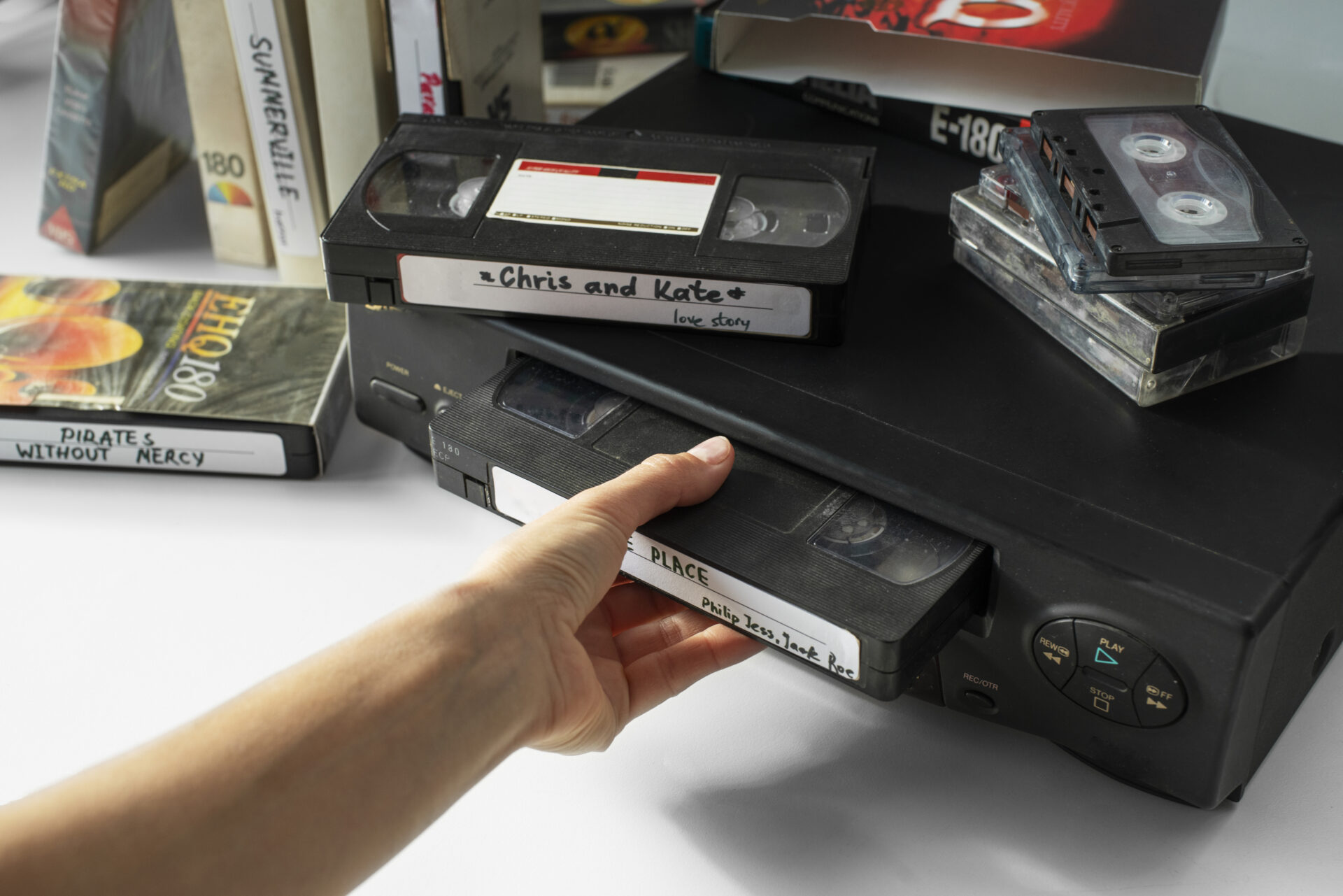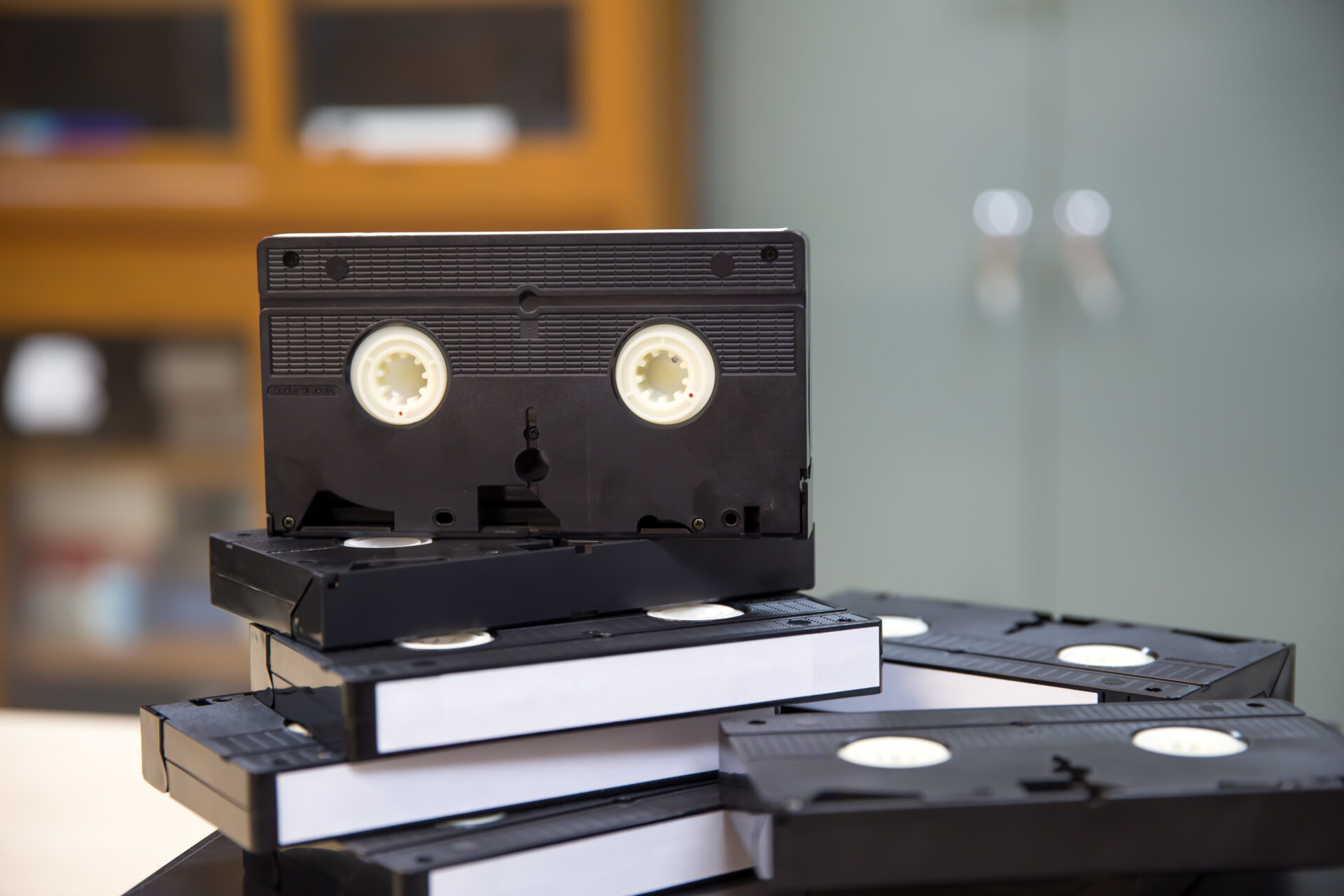
You pull a box of old tapes out of the closet. There’s a wedding, a few birthdays, and a stack of unlabeled cassettes from the 90s. Before you slide one into a VCR, stop for a minute. A tape that looks fine on the shelf can be damaged in ways that ruin both the tape and your player. Mold and sticky-shed syndrome are the two most common problems, and they are easy to confuse.
This guide shows you what each problem looks like, how to check your tapes safely at home, and what to do if you find trouble. If you decide to hand the job to a professional, a local video transfer service in Bloomington can inspect and clean tapes with the right equipment. Either way, knowing what you’re dealing with helps you protect your memories.
Why Old Videotapes Go Bad
Videotape feels solid, but it’s a delicate product. Knowing how it’s built explains why problems show up decades later.
How a Videotape Is Built
A tape is a thin plastic film, usually polyester, coated with magnetic particles. A binder, which works like glue, holds those particles to the film. Some tapes also have a back coating on the opposite side to help the tape wind smoothly. Both the binder and the back coating are chemical products, and chemicals change over time.
What Time and Storage Do to Tape
Heat, humidity, and temperature swings cause most of the damage. A garage, attic, or basement is a rough place for a tape. Hot summers and damp winters make the binder break down and give mold the moisture it needs.
Age matters too. Tapes made in the 1980s and 1990s are now 30 to 40 years old. Even a tape stored in a closet with steady room conditions can show wear. The good news is that many tapes are still in good shape. You can only be sure by checking.
What Mold on Videotape Looks Like
Mold is a living organism. It grows when spores land on a surface that holds moisture and a little food. Tape, paper labels, and cardboard sleeves can all feed it.
Visual Signs of Mold
Look for these on the tape itself and on the cassette:
- White, gray, green, or black spots on the tape edges
- A fuzzy, powdery, or web-like coating on the reels
- Spots on the cassette shell or the paper sleeve
- A dusty film you can see through the cassette window
White mold is the most common and the easiest to mistake for dust. If a white powder returns after you wipe it away, treat it as mold.
Smell and Feel
Your nose often catches mold before your eyes do. A musty, damp, basement-like smell coming from a tape or its case is a strong warning sign. A tape that feels damp or slightly tacky on the outside of the case may also have been exposed to moisture.
Health Precautions
Mold spores can irritate your lungs, eyes, and skin, especially if you have allergies or asthma. If you suspect mold:
- Wear disposable gloves and a well-fitted mask
- Handle tapes in a ventilated space, ideally outdoors or near an open window
- Keep suspect tapes away from your clean ones
- Wash your hands afterward
Don’t brush or blow on a moldy tape. That sends spores into the air and across the room.
What Sticky-Shed Syndrome Is
Sticky-shed syndrome has nothing to do with living organisms. It’s a chemical breakdown of the tape’s binder.
What Causes It
Many tapes use a binder that absorbs moisture from the air over the years. The absorbed moisture breaks the binder down in a process called hydrolysis. The binder turns soft and gummy, and the magnetic layer starts to loosen from the plastic film. The result is a tape that sticks to the player parts it touches and sheds particles as it runs.
Signs of Sticky-Shed
You often can’t see sticky-shed on a closed cassette. You notice it when you play the tape. Common signs include:
- A loud squealing or chirping sound as the tape moves
- The tape slowing down, stopping, or jamming
- A brown or reddish residue on the VCR heads or guide posts
- Picture dropouts, streaks, or snow that wasn’t there before
- Tape that sticks to itself or tugs against the reels
If you see brown dust or gummy residue on a tape path or inside a cassette, stop playback right away. Every pass through a player removes more of the magnetic layer, and that layer holds your picture.
Which Tapes Are at Risk
Sticky-shed is more common in professional formats such as Betacam and U-matic, and in some consumer tapes made with certain binder formulas. VHS, VHS-C, 8mm, Hi8, and MiniDV tapes can also develop it, though the odds vary by brand and storage history. You can’t rely on the format alone. A physical check is the only way to know.
Mold vs. Sticky-Shed: Quick Comparison
Because the two problems can look alike on the surface, here is a side-by-side look.
- Cause: Mold is a living growth fed by moisture. Sticky-shed is the binder breaking down chemically.
- What you see: Mold shows as fuzzy white, green, or gray spots. Sticky-shed often shows as brown residue or a gummy coating.
- Smell: Mold smells musty or damp. Sticky-shed usually has little or no odor, though some tapes smell faintly sour.
- Sound during play: Mold may cause dropouts and clogged heads. Sticky-shed often causes squealing, slowing, and jamming.
- Spread risk: Mold can spread to other tapes and objects. Sticky-shed stays within the affected tape, though residue can dirty your player.
- Safe at home? Neither one should be played in a regular VCR.
How to Check Your Tapes Safely at Home
You don’t need special tools for a first look. A flashlight, clean gloves, and a few minutes per tape will tell you a lot.
Step 1: Inspect the Outside
Start with the case and the sleeve. Check for stains, spots, warped cardboard, and a musty smell. Look at the label area, because paper holds moisture and often shows mold first. Check the cassette shell for cracks or dust buildup around the edges.
Step 2: Look Through the Window
Hold the cassette under a bright light and look at the tape pack through the clear window. Check both reels. You are looking for white fuzz, dark spots, or an uneven, sticky-looking surface on the edges of the wound tape. A smooth, even, dark brown pack is a good sign.
Step 3: Open the Door and Check the Tape Path
On a VHS cassette, you can slide the front flap open and see a short length of exposed tape. Look at it closely. It should look clean and shiny. Dusty patches, spots, or a hazy film mean you should stop and treat the tape as damaged.
Step 4: Check How the Reels Move
Gently turn a reel by hand with a fingertip through the hub opening, or tilt the cassette and listen. The reels should turn freely with no scraping or sticking. A reel that resists or grabs may point to tape that has fused against itself.
What Not to Do
Many people make things worse by trying quick fixes. Please avoid these:
Do not play a suspect tape “just to see.” One play can put mold on your heads and spread it to every tape you play afterward. Do not use a head-cleaning tape to fix squealing. It won’t repair the binder and can damage the tape. Do not wipe a tape with alcohol, water, or household cleaners. And do not put a tape in the oven, microwave, or freezer. Baking is sometimes used on old audio reels by trained specialists, but it’s risky on cassettes and can warp the shell or melt parts. If you’ve already tried one of these, don’t panic. Seal the tape in a bag and message us through our Google Business Profile to book a tape check, or see what other families say in our Google reviews.
What to Do If You Find a Problem
Once you spot a warning sign, your goal is to stop the damage from spreading and get the tape to someone who can save it.
Separate the Tape
Place the affected tape in a sealed plastic bag or a clean plastic container, away from your other tapes. Label it so you remember which one it is. Keep it in a room-temperature spot, not a garage or basement.
Don’t Wait Too Long
Mold and binder damage both get worse with time. A tape that can be saved today may lose part of its picture in a few years. If a tape holds footage you can’t replace, move it up your list.
Get It Looked At by a Professional
A trained technician can inspect a tape under proper lighting, clean it with the right equipment, and play it on a machine set up to handle fragile media. A good video transfer service in Bloomington will also check the tape before playback instead of loading it blind. This protects both your footage and the machine.
When you compare providers, ask a few direct questions:
- Do you inspect every tape before transferring it?
- How do you handle tapes with mold or sticky residue?
- Do you clean your equipment between customers?
- What file formats do you deliver, and on what media?
- Will you tell me before starting if a tape looks too damaged to play?
Honest answers to these tell you a lot about how careful a business is. At Archive Life Media, tapes are checked before anything is played, and you can book a tape check through the contact form on our website if you’re unsure about what’s in your box.
How to Store Tapes So Problems Don’t Start
Whether your tapes are clean today or you’ve just had them restored, good storage keeps them safe.
Pick the Right Spot
Keep tapes in a cool, dry, stable place. A bedroom closet or interior shelf works well. Aim for steady room temperature, roughly 65 to 70°F, and humidity around 35 to 45 percent. A cheap hygrometer from a hardware store lets you track it.
Store Them Upright
Stand cassettes on their edge, like books, rather than stacking them flat. This keeps pressure off the tape pack and prevents the layers from shifting. Use the original plastic cases when you have them, since they keep out dust.
Skip the Risky Places
Attics, garages, basements, and storage units cause more tape damage than almost anything else. Hot days and damp nights go through those spaces fast. If you must use a storage unit, choose one with climate control.
Label and Rewind
Rewind tapes to the beginning before storing them so the tension is even. Write labels in pencil or a soft marker on the case, not on the tape, and note the date and content. This also saves you from loading the wrong tape later.
Why Digitizing Sooner Beats Later
Videotape is a format with an expiration date, even when it’s stored well. VCRs and camcorders are also getting harder to find and repair. Every year, working players become scarcer, and parts are harder to source.
Converting your tapes to digital files gives you copies that don’t wear out through playback and that you can back up in more than one place. A good plan is to keep one copy on a hard drive, one in cloud storage, and one with a family member. When you hire a video transfer service in Bloomington, ask how they deliver files so you can choose a format that fits how you want to watch and share your footage.
You don’t have to convert everything at once. Start with the tapes that matter most, such as weddings, graduations, baby’s first year, and recordings of loved ones who have passed. Then work through the rest as your budget allows.
Frequently Asked Questions
Can mold on a videotape be removed?
Often, yes. A trained technician can clean many moldy tapes using proper methods and equipment, and then transfer the footage. Results depend on how far the mold has spread and how long it has been there. Cleaning at home with household products isn’t safe for the tape.
Is sticky-shed syndrome permanent?
The binder damage itself can’t be reversed with simple tools, but the footage can often still be recovered. Specialists use careful handling and sometimes controlled treatment to get one good playback. That is why it’s best to transfer the tape once and make a digital copy, rather than trying again and again.
Can I tell if a tape is bad without playing it?
Often you can. Visual checks, smell, and how the reels turn give strong clues. Still, a tape with no visible problems can have early binder breakdown, and a professional inspection catches what you can’t see.
Will a moldy tape ruin my VCR?
It can. Spores and residue can build up on the heads and tape path, and then pass to the next tape you play. If you’ve already played a suspect tape, it’s wise to have the player cleaned before using it again.
How many years do VHS tapes last?
Many VHS tapes last 20 to 30 years or more under good conditions, but there’s no fixed date. Storage matters more than age. A tape kept cool and dry may play well at 35 years, while one kept in a hot attic may fail much sooner.
Should I throw away tapes with mold?
Not before talking to a professional. Even a damaged tape can often be saved, and your footage may be impossible to recreate. If a tape can’t be saved, a technician will tell you honestly.
Is it safe to handle moldy tapes?
Handle them with gloves and a mask, in a ventilated space. People with allergies, asthma, or weakened immune systems should avoid handling them at all and ask someone else to bag them up.
Final Thoughts
Mold and sticky-shed syndrome are the two biggest threats to tapes sitting in your home right now. Mold looks fuzzy, smells musty, and spreads. Sticky-shed hides inside the tape, makes players squeal, and leaves brown residue behind. Both are easier to deal with when caught early, and both can ruin a good VCR if you play the tape without checking it.
Check your tapes carefully, keep suspect ones separate, store the good ones in a cool, dry place, and don’t wait years to digitize the ones that matter. If you find a problem or you’re just not sure what you have, Archive Life Media is happy to take a look before anything gets played. Reach out through the contact form on our website to book a tape check, and we’ll help you decide the safest next step for your family’s footage. If you’re searching for a video transfer service in Bloomington, a short conversation now can save a tape you thought was gone.