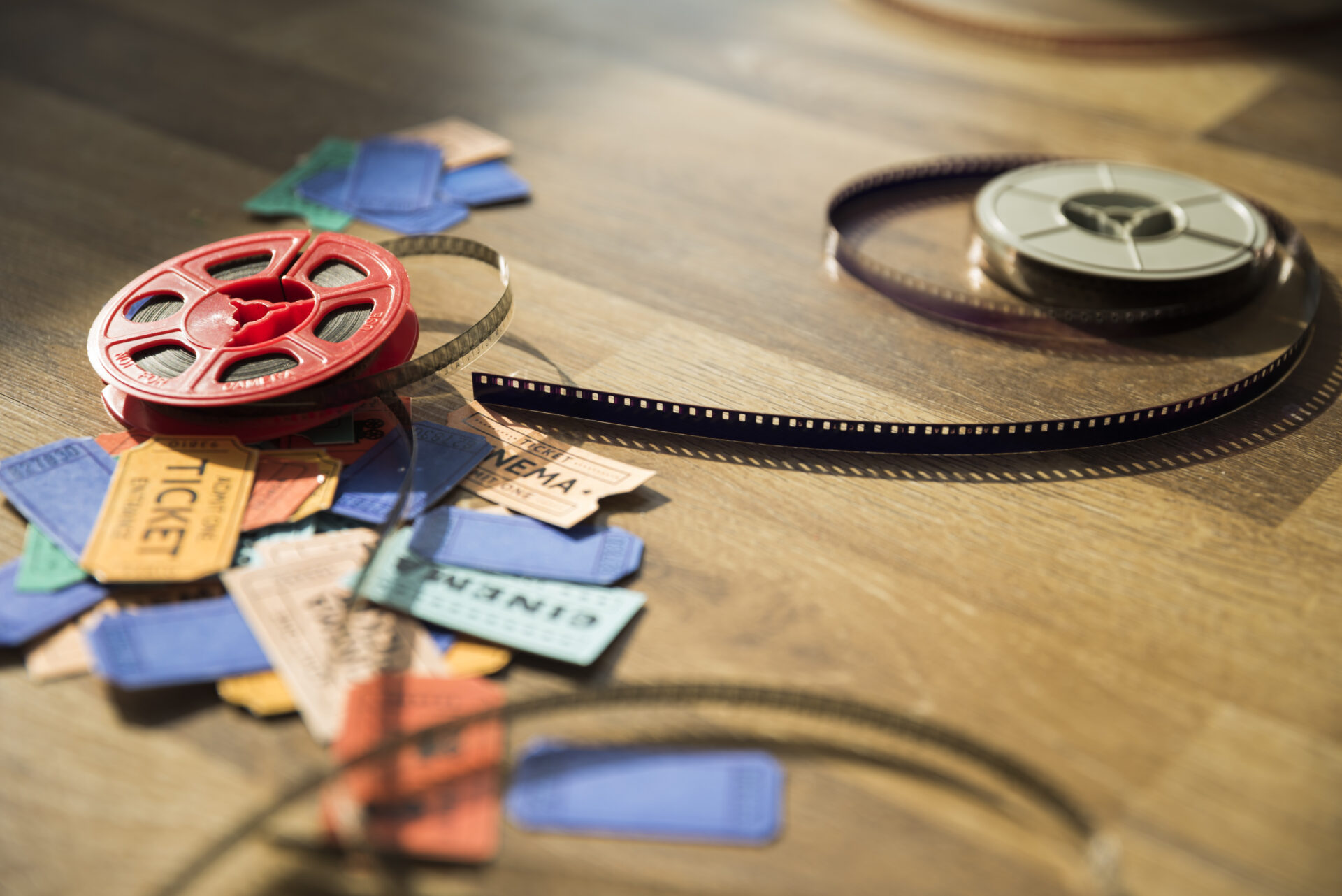
Somewhere in your home there is probably a small metal can, a flat cardboard box, or a dusty plastic case with a reel inside. It might have come from a parent’s closet, a grandparent’s attic, or a box marked misc after a move. Nobody has watched it in years because nobody owns a projector anymore, and the few people who do are afraid the film will snap halfway through.
That fear is reasonable. Film is a physical object, and physical objects wear out. This article explains what happens to home movies over time, how film transfer works, and what you end up with afterward. If you have been wondering whether film transfer services Bloomington, MN families use are worth the cost, the sections below should help you decide with real information instead of guesswork.
A Short Look Back at Home Film
Kodak introduced 8mm film for home use in 1932, and Super 8 followed in 1965 with cartridges that made loading a camera as simple as dropping in a cassette. For several decades, families filmed birthdays, weddings, vacations, first steps, and holiday mornings on these formats. Schools, churches, and small businesses used 16mm for everything from classroom lessons to local events.
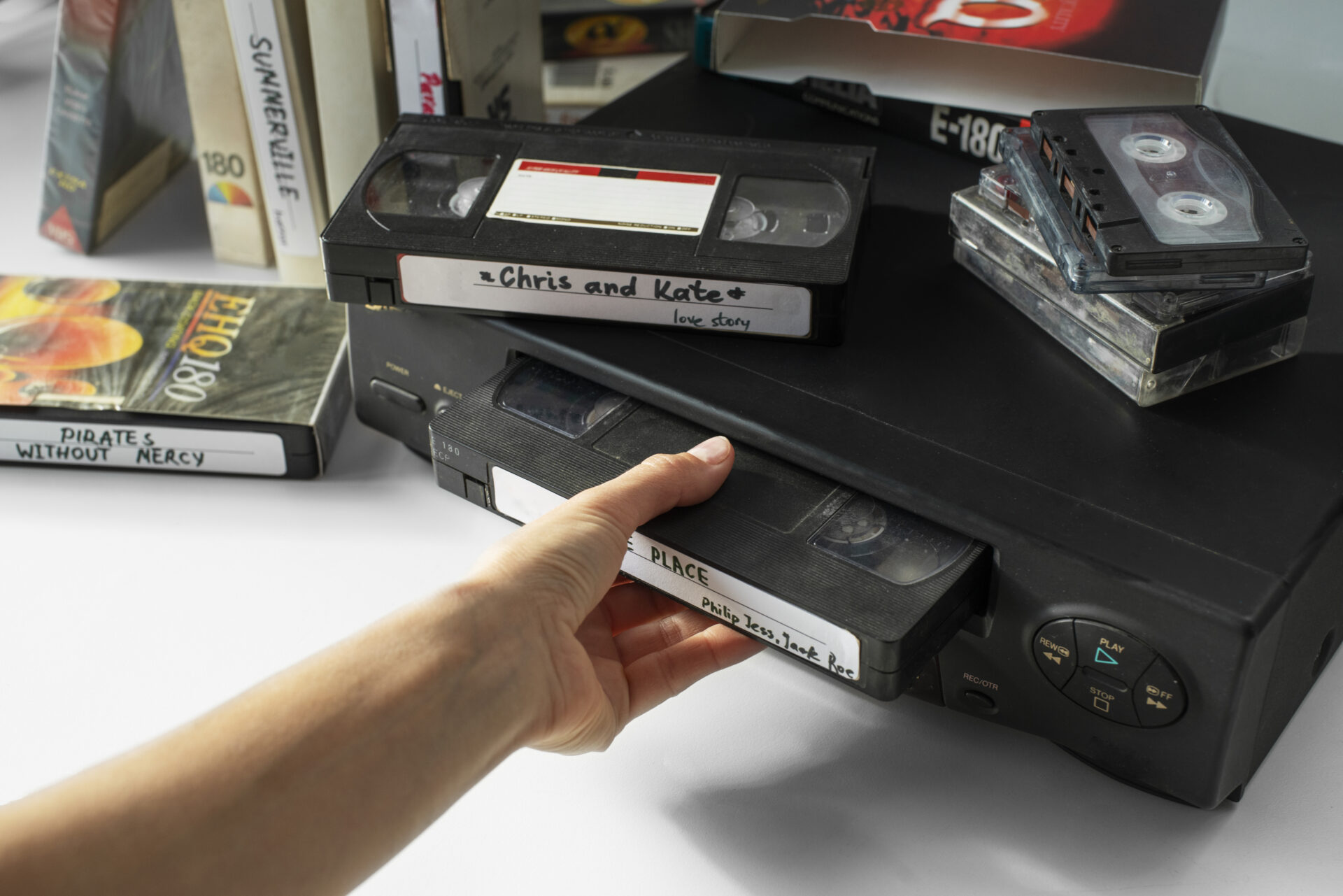
Video camcorders replaced film in most households during the 1980s, and the reels went into closets. Many of them have sat there ever since, unwatched and unprotected.
What Film Transfer Actually Means
Film transfer is the process of converting motion picture film into a digital video file. A technician runs each reel through a specialized scanner that captures every frame as a digital image, then assembles those frames into a video you can play on a phone, tablet, laptop, or television. Your original reels stay intact and come back to you when the work is finished.
The goal is to preserve the footage the way it looks on the film and, where it makes sense, to improve it slightly. A good transfer corrects exposure, balances faded color, and reduces dust marks without making the footage look artificial.
The Basic Steps
Most transfers follow the same path. First, the film is inspected for tears, bad splices, mold, and warping. Damaged sections are repaired or cleaned before anything runs through the machine. Second, the reels are scanned frame by frame at a speed that matches the original frame rate, so people do not walk too fast or too slow on screen. Third, the raw scan is cleaned up with color correction, dust removal, and stabilization. Finally, the finished video is delivered on a USB drive, a cloud link, an external hard drive, or a DVD, and your original film goes home with you.
Film Formats That Can Be Transferred
Home movie film came in a few common sizes. Knowing which one you have makes it easier to plan your order.
- Standard 8mm: Common from the 1930s through the 1960s, often shot on small reels that run only a few minutes each.
- Super 8: Introduced in 1965, with a larger picture area and easy-load cartridges. Some reels carry a recorded sound track.
- 16mm: Used by schools, churches, businesses, and serious hobbyists, and often found with sound.
Archiving Life Media transfers all three. If a reel does not look like any of these, bring it in anyway, because a technician can identify it and tell you the best way to handle it.
Old Film Does Not Last Forever
Film can survive a long time in the right conditions, but a basement, attic, or garage is rarely the right condition. Heat, humidity, and age all cause damage, and most of it cannot be reversed once it goes far enough.
Shrinkage and Brittleness
Film base slowly loses moisture and shrinks. A shrunken reel no longer fits the sprocket teeth of a projector properly, and the machine can tear the perforations along the edge. Brittle film cracks when it is handled or threaded. A reel that looks fine on the shelf can break the first time someone tries to play it.
Fading Color
Color film uses dyes, and those dyes break down at different speeds. Over decades, many reels turn pink, orange, or brown as the other colors fade. A transfer cannot bring back dye that is gone, but it can capture what remains and balance it so the footage looks natural again. The longer you wait, the less there is to work with.
Mold, Dust, and Vinegar Syndrome
Damp storage allows mold to grow on film, leaving spots and a musty smell. Older acetate-based film can also develop what archivists call vinegar syndrome, a chemical breakdown that gives off a sharp vinegar smell and makes the film curl and warp. Once it starts, it can spread to other reels stored nearby. If you open a film can and smell vinegar, that is a sign to have the reels evaluated soon.
Why Film Transfer Is Worth the Cost
Cost is the first concern most people raise, so it helps to look at what you are paying for. You are paying for professional equipment, a technician’s time, careful handling, and a result that lasts. Compare that with the alternative. If the film fails, the footage is gone, and no amount of money brings it back.
You Cannot Replace These Moments
A first birthday, a wedding reception, a grandfather fixing a fence, a street that no longer looks the way it did. Home movies capture ordinary life in a way posed photographs do not. People move, laugh, wave at the camera, and walk out of frame. Most of this footage exists on only one reel. There is no negative, no backup, and no second copy.
Details You Forgot Come Back
Memory is selective. You might remember the general feel of a holiday but not the color of the kitchen, the car in the driveway, or the way your aunt stood with her hands on her hips. Watching film brings those small things back. Many people expect to watch a few minutes and end up watching the entire reel without saying a word. One Archiving Life Media customer had a film from 1951 converted and said it turned out as well as she could have wanted.
Everyone Can Finally Watch Them
A single reel can only be watched by whoever is in the room with a projector. A digital file can be sent to cousins in another state, played at a reunion, or shown at a memorial service. Grandchildren can see a grandparent as a young person. That access is often the strongest reason people give for finally digitizing their film.
Can You Transfer Film at Home?
Some people try to record the projected image with a phone or camcorder. The results are usually poor: flicker, a bright spot in the center, uneven color, and soft detail. Home scanners exist, but consumer models often skip frames or pull the film along a path that stresses fragile reels.
Professional transfer uses equipment built to hold each frame steady while it is captured, with lighting that shows the film evenly. A trained operator also knows when to stop a reel, repair a splice, or clean a section before it causes more damage. Trying the job yourself puts the only copy you have at risk.
Choosing Film Transfer Services Bloomington, MN Residents Can Trust
Not every provider handles film the same way. Some mail your reels to another company without telling you. Some rush the job. Some return files with no cleanup at all. A few questions help separate careful shops from careless ones.
Questions Worth Asking
Ask where the work is done. In-house transfer means your reels stay with the same team from drop-off to delivery. Ask whether your originals come back to you, because they should. Ask what the price includes, since some providers charge extra for color correction or for repairing damaged film. Ask which file formats and delivery options are available, and how long the project will take. Finally, ask whether you can visit in person. A business that welcomes questions at the counter is usually one that stands behind its work.
How Archiving Life Media Handles Film
Archiving Life Media has served the Bloomington area since 2011. The team digitizes 8mm, Super 8, and 16mm film in-house and scans each reel frame by frame. Cleaning, color correction, dust removal, and stabilization are part of the work, and advanced restoration is available for badly damaged film. Your originals come back with your digital files, and you choose how to receive them: USB drive, cloud download link, external hard drive, or DVD. Most standard orders finish in five to ten business days, and larger projects can take longer. You get an estimated timeline before work begins.
You can drop off reels at the Bloomington location or mail them in. If you already know what you want transferred, you can book your film transfer appointment here and the team will walk you through the next steps.
Why Working With a Local Team Helps
Film is delicate, and the reels you own are often the only ones that exist. Searching for film transfer services Bloomington, MN shows several options, and the right one is usually the business that lets you hand over your reels in person. You can meet the people handling your film, explain what is on each reel, mention any problems you have noticed, and ask how long things will take. That conversation tends to prevent surprises later.
Getting Your Reels Ready
A little preparation saves time and protects your film. Gather all your reels in one place and keep them in their cans or boxes. Do not try to rewind or clean them yourself. Write down what you know about each reel, such as the year, the people, and the location, because those notes make it easier to name your files later. Handle film by the edges when possible, and keep it away from heat and damp until you hand it over. If a reel smells like vinegar or has visible mold, mention it at drop-off so it can be kept apart from the others.
What to Do With Your Digitized Film
Make at least two copies and store them in different places, such as an external drive at home and a cloud account. Digital files can be lost too, and a second copy costs very little. Share clips with relatives, put together a short video for an anniversary or birthday, or pull still frames to print for a photo wall. Some families play the footage at a reunion or a memorial service. Label each file with a date and names while the people who recognize everyone are still around to help.
Common Questions About Film Transfer
How long does a film transfer take?
At Archiving Life Media, most standard orders finish in five to ten business days. Large collections take longer, and the team gives you an estimate before starting.
Will my original film be returned?
Yes. Your originals come back to you along with your new digital files.
Does my film have sound?
Most 8mm and Super 8 home movies are silent. Some Super 8 reels carry a recorded sound track, and 16mm film often does. A technician can tell you what your reels contain.
What if my film is damaged?
Minor tears and weak splices can often be repaired before scanning. Heavy damage, such as severe shrinkage or mold, may limit what can be saved, which is one more reason not to wait.
Can I mail my film instead of dropping it off?
Yes. Mail-in orders are accepted, and drop-off is available in Bloomington if you prefer to hand your reels over directly.
Final Thoughts
Film is a fragile record of people and places that mattered to you. Every year in a closet or garage lowers the quality of what can be saved. A transfer costs money and takes a little effort, but the result is a set of files your family can watch, share, and keep for decades, while your original reels stay safe in their cans.
You do not need to wait for the next move, the next flood, or the next failed projector to act. The reels in your closet are worth saving now.
Book Your Film Transfer Today
Ready to hear the people in your old home movies laugh again? Archiving Life Media is ready to look at your reels. Use the contact page to book a drop-off or arrange a mail-in order, and the team will explain your options and give you a timeline. You can also read more about the film transfer process before you decide. Start your film transfer services Bloomington, MN project today and give your family history a second life.