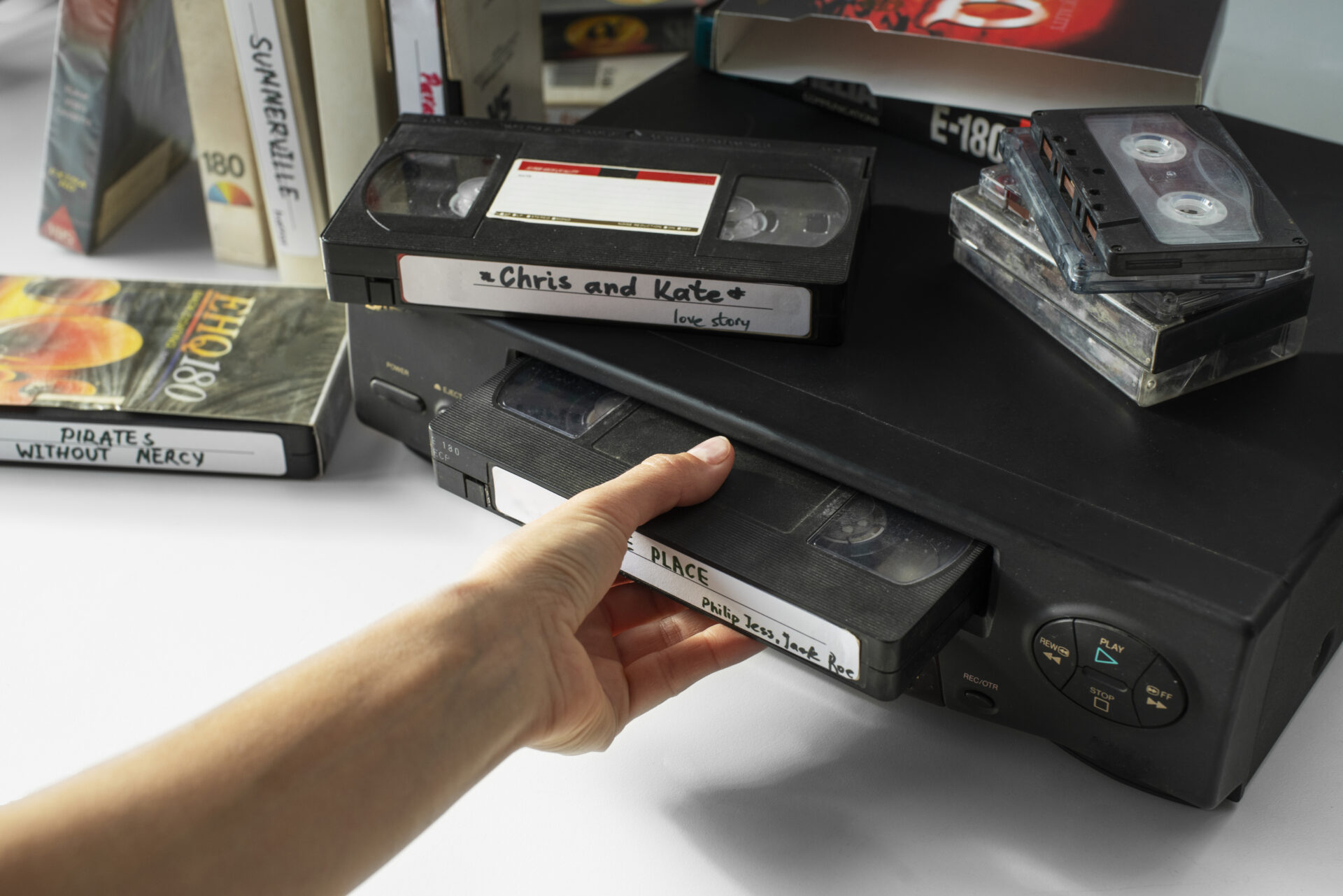
Somewhere in a closet, basement, or garage, most families have a box of camcorder tapes that haven’t been played in years. VHS-C, MiniDV, Hi8, Digital8—these formats once captured birthdays, graduations, holidays, and ordinary afternoons that turned out to matter more than anyone realized at the time. The trouble is, tape doesn’t last forever, and the players that read these formats are getting harder to find every year. That’s the reason so many Bloomington families are turning to professional Video Transfer Services Bloomington, MN to move their home movies off aging tape and onto formats that will actually hold up.
This isn’t just about nostalgia. It’s about protecting a record of your family that, once lost, can’t be recreated. Below, we’ll walk through why camcorder tapes degrade, what formats can be saved, how the conversion process actually works, and what to look for in a provider you can trust with decades of memories.
Why Camcorder Tapes Don’t Last as Long as You Think
Magnetic tape was never built to last a lifetime. Every VHS, MiniDV, or Hi8 tape is made of a thin plastic ribbon coated with a magnetic layer that stores your video and audio information. Over time, that coating breaks down. Heat, humidity, and even normal storage conditions cause the magnetic particles to weaken, a process often called “sticky shed syndrome,” where the tape’s binder starts to deteriorate and the footage becomes unreadable.
Most archivists estimate that videotapes begin showing measurable quality loss within 10 to 20 years, and playback becomes risky well before that window closes. Every time a tape is played, the read heads on a camcorder or VCR physically touch the tape surface, which causes additional wear. If you’ve been holding onto old tapes and pulling them out once a year to relive a memory, you may actually be accelerating the damage.
There’s also a practical problem: the hardware. Camcorders and VCRs aren’t being manufactured anymore, and working units are becoming scarce. Repair parts are limited, and even a well-maintained machine can chew up a tape it was supposed to protect. Once a tape breaks or a working player disappears entirely, the footage on it may be gone for good.
What Formats Can Actually Be Converted
One of the most common questions we hear is whether a specific format can even be saved. In most cases, the answer is yes. Home video technology went through several generations between the 1980s and the 2000s, and each one left behind its own physical format.
A few of the most common tape types that can be digitized include:
- VHS and VHS-C tapes, the standard home recording format for decades
- MiniDV and Digital8 tapes, common in early 2000s digital camcorders
- Hi8 and Video8 tapes, popular through the 1990s
- Betamax and other early consumer formats, in many cases
- 8mm and Super 8 reel film, for families with even older footage
If you’re not sure what format your tapes are, that’s normal. Many people simply have a box labeled “camcorder tapes” with no further detail, and a technician can usually identify the format on sight.
What Happens During the Digitizing Process
Converting a camcorder tape into a digital file involves more than plugging a cable into a laptop. The tape is first inspected for physical damage, mold, or tape shedding, since playing a compromised tape without preparation can destroy it permanently. Once it’s cleared for playback, the tape is played on professional-grade equipment designed to minimize wear and maximize picture quality, and the signal is captured in real time into a digital file.
During this stage, basic corrections are often applied, including stabilizing shaky playback, reducing visual noise, and adjusting color balance where the original footage has faded. The goal isn’t to alter the memory, but to preserve it as close to its original quality as possible while removing the artifacts that come from decades of magnetic decay.
Once the transfer is complete, the footage is organized and delivered in a modern digital format. Families typically choose from a few common outputs, and this is where the “cloud” part of the process comes in: rather than storing memories on a single fragile object, digital files can be uploaded, backed up, and shared with relatives instantly, without shipping a physical tape across the country ever again.
Why “Good Enough” Storage Isn’t Enough
A lot of people assume that once footage is digitized once, it’s safe forever. That’s not quite true. Digital files still need to be stored properly. A single hard drive can fail. A USB drive can be misplaced. A laptop can be dropped. The advantage of digital files over tape is that they’re much easier to duplicate and back up in multiple places, but that only helps if it’s actually done.
This is one of the reasons cloud storage has become such a popular option for families finishing a video transfer project. Instead of relying on one copy in one location, cloud backups create redundancy automatically. If a computer crashes or a drive gets lost, the footage is still accessible from anywhere with an internet connection. For families spread across different cities, this also solves the problem of who “keeps” the family archive, since everyone can access the same files instead of one person holding the only copy.
Choosing the Right Video Transfer Services Bloomington, MN Provider
Not every transfer service handles tapes the same way, and the differences matter more than people expect. Some large chain services process high volumes of tapes with minimal individual attention, which can be fine for tapes in good condition but risky for anything fragile, moldy, or already showing signs of damage. When you’re trusting someone with the only copy of your family’s history, it’s worth asking a few questions before handing over your tapes.
A reliable provider should be able to explain how tapes are inspected before playback, what equipment is used for the transfer itself, and what happens if a tape shows damage during the process. They should also be transparent about turnaround time and delivery formats, rather than leaving customers guessing about when their memories will be returned. Local, Bloomington-based Video Transfer Services Bloomington, MN providers often have an advantage here, since customers can drop off tapes in person, ask questions directly, and avoid the risk of shipping fragile media through the mail.
Price matters too, but it shouldn’t be the only factor. A slightly higher cost is often the difference between a technician who treats a 30-year-old tape with care and a service that runs it through automated equipment without a second look.
What You Receive at the End of the Process
Once your camcorder tapes have been converted, you’ll typically walk away with a few things. First, your original tapes are returned to you, since a responsible provider never keeps or discards the source material. Second, you’ll receive your digitized footage in the format you selected, whether that’s a USB drive, a cloud download link, or a set of DVDs for easy sharing with relatives who prefer a simpler playback option.
Many families choose to combine formats: a physical backup for safekeeping, plus a cloud copy for sharing. This gives you flexibility without putting all your trust in a single storage method. It also means that grandparents, siblings, or cousins scattered across different states can all have access to the same footage without anyone needing to track down the original tapes.
Common Questions Families Ask Before Starting
A few questions come up again and again when families are considering whether to move forward with a video digitization project.
Is it too late if my tapes already look damaged?
Not necessarily. Even tapes with visible wear, tracking issues, or partial mold can often be recovered, though the outcome depends on the severity of the damage. It’s far better to have a technician evaluate a tape than to assume it’s beyond saving.
How many tapes should I expect to convert at once?
There’s no minimum. Some families bring in a single tape from a specific event, while others bring in dozens accumulated over decades. Either way, the process is the same, just scaled to the size of the collection.
Will the transferred video look better than the original?
In most cases, yes, at least slightly. Basic corrections for color, stabilization, and noise reduction tend to make old footage look cleaner than it would if played directly through an aging VCR or camcorder.
Don’t Let Another Year Pass
Every year a box of camcorder tapes sits untouched, the odds of full recovery go down a little further. Magnetic tape doesn’t announce its decline; it simply stops playing correctly one day, often without warning. The good news is that the process of moving these memories to a safer format doesn’t have to be complicated or drawn out.
If there’s a box of old tapes sitting somewhere in your home right now, treat this as the reminder to finally deal with it. Working with a trusted, local provider like Archiving Life Media for your Video Transfer Services Bloomington, MN needs means your tapes never have to leave the area, and you can ask questions in person instead of mailing your family’s history to a stranger across the country. Get your camcorder tapes evaluated and scheduled for transfer before another year of quiet deterioration passes by. Your family’s history deserves better than a closet shelf and a fading hope that the tapes will still play when someone finally gets around to it.