Old home movies, dusty photo albums, and boxes of tapes sitting in a closet all carry something a hard drive never can — real memories tied to real people. When it comes time to convert those items into digital files, most people search for Media Transfer Services Bloomington, MN and land on two very different paths: mailing everything off to a national company, or handing it to someone local who works face-to-face with the community. The choice sounds small, but it changes almost everything about how your project turns out.
What Mail-Order Media Transfer Really Involves
Mail-in transfer companies operate on volume. You pack your tapes, film reels, or photo albums into a box, ship them to a warehouse in another state, and wait. Somewhere along that chain, your items pass through sorting stations, batch scanning machines, and multiple sets of hands you’ll never meet. Most of these companies work with thousands of customers at once, which means your box becomes one of hundreds moving through the same pipeline that week. There’s rarely a person you can call who has actually seen your specific reel of film or knows why that particular tape matters to your family.
The Case for Working With a Local Provider
Choosing a local option changes the entire experience. When you search for Media Transfer Services Bloomington, MN, you’re often finding a business where the same technician who receives your box is the one running your film through the scanner. That kind of direct handling matters when the material is irreplaceable.
A few reasons families in the area lean toward local providers:
- You can drop off and pick up your items in person instead of trusting them to a shipping carrier
- Staff can show you a sample transfer before committing to the full project
- Questions get answered directly, without call centers or ticket queues
- Damaged or fragile media can be inspected and discussed on the spot
- Your items never leave the area, cutting down on handling and transit exposure
What You Risk When You Ship Irreplaceable Memories
Shipping carriers lose packages. It doesn’t happen often, but when it does, the contents of that box usually can’t be replaced. A wedding video from 1987, a reel of a child’s first steps, or a grandparent’s home movies aren’t things you can reorder from a warehouse. Beyond the risk of loss, there’s also damage from temperature swings, rough handling during transit, and the simple fact that fragile tape and film weren’t built to survive cross-country freight.
Common risks families report with mail-in services include:
- Packages arriving late, damaged, or misrouted
- Long wait times with little communication in between
- Difficulty reaching a real person for updates
- Media returned without a clear explanation of what was done to it
Turnaround Time: Local vs Mail-In
Mail-order companies build shipping time into every step of the process. Your box travels to their facility, sits in a queue, gets processed, and then ships back — often taking several weeks longer than advertised once shipping delays are factored in. A local provider skips two of those steps entirely. There’s no outbound shipping and no return shipping, which alone can shave a week or more off the timeline. For anyone working against a deadline, like a memorial service, anniversary party, or milestone birthday, that difference is often the deciding factor.
Quality Control You Can Actually See
One paragraph rarely tells the full story here, so it helps to break down what quality control actually looks like at each stage of a project.
- Reviewing footage on-site before final delivery
- Catching audio sync issues or scratched frames early
- Adjusting scan settings based on the actual condition of the media
- Offering re-scans without another round of shipping
Cost Comparison — Is Mail-In Really Cheaper?
At first glance, national mail-order pricing can look attractive, especially with bundled deals advertised online. But those prices rarely include return shipping insurance, rush fees, or the cost of replacing lost items. Once you add those extras, a search for Media Transfer Services Bloomington, MN often turns up local pricing that’s comparable, or even lower, once every fee is accounted for. Paying a little more upfront for a service where nothing has to travel across the country tends to even out — or come out ahead — by the time a mail-order project is finished.
Why Bloomington, MN Families Choose Local Service
There’s a trust factor that builds when a business is part of the same community as its customers. People searching for Media Transfer Services Bloomington, MN often already know someone who’s used a local shop, or they’ve seen the storefront themselves. That familiarity carries weight when you’re handing over something as personal as a family archive. It’s not just about convenience — it’s about knowing the people responsible for your memories are accountable, reachable, and invested in getting the job right the first time.
What To Look For When Choosing a Provider
Not every local business handles media the same way, so it helps to know what separates a solid provider from one to avoid.
- Ask whether transfers are done in-house or outsourced elsewhere
- Check if you can watch part of the process or get a walkthrough
- Confirm what happens to your originals after the transfer is complete
- Ask about file formats, resolution options, and backup copies
- Read reviews from people who mention specific formats like VHS, 8mm film, or slides
Common Formats We Convert
Most households have a mix of formats accumulated over decades, and a capable provider should be equipped to handle all of them.
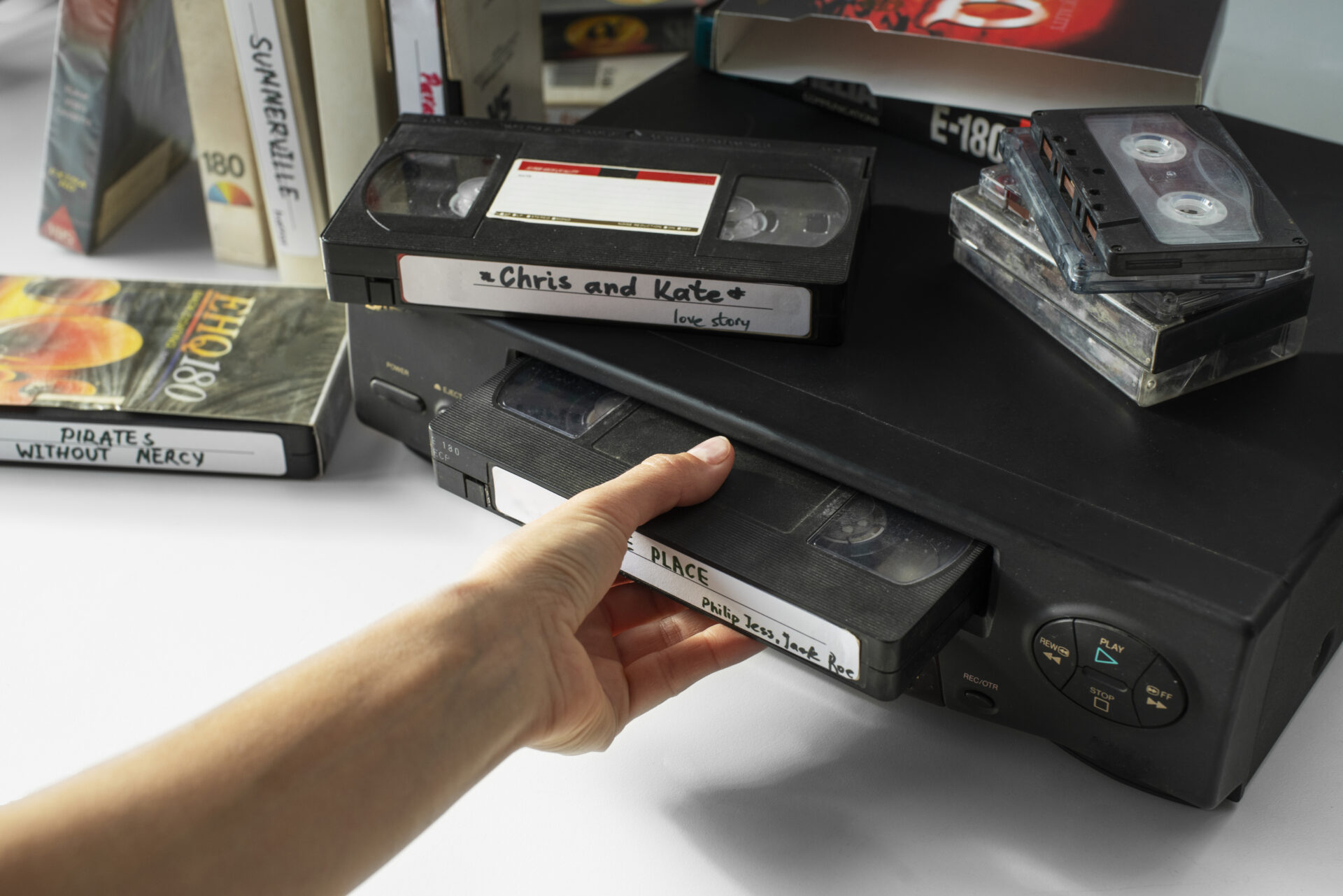
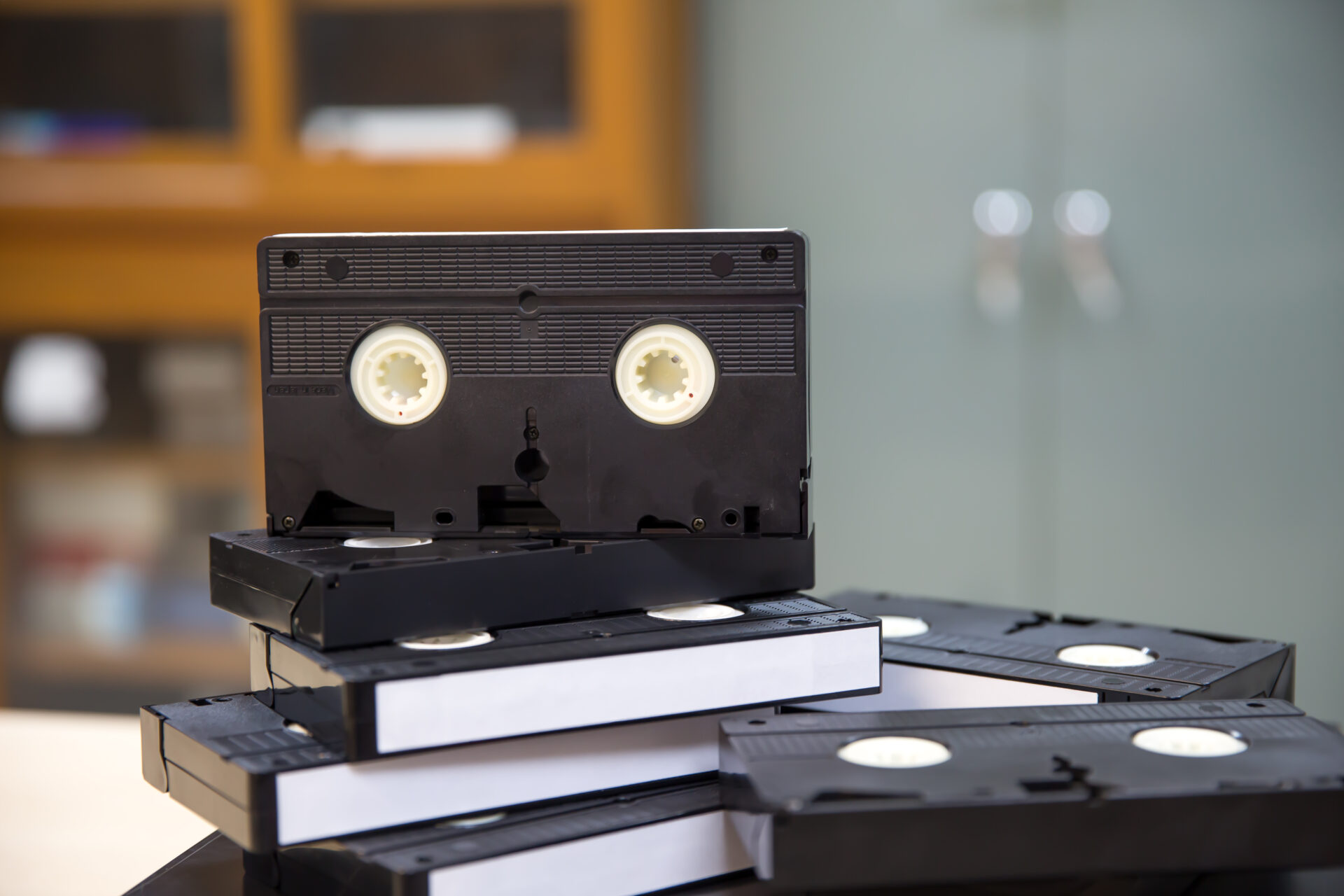
- VHS, VHS-C, and Betamax tapes
- 8mm and Super 8 film reels
- MiniDV and Hi8 camcorder tapes
- 35mm slides and negatives
- Photo prints and albums
- Audio cassettes and reel-to-reel tape
How Archive Life Media Handles Your Project
At Archive Life Media, every project starts with an in-person conversation about what you have and what you want out of it. Items stay local from drop-off to pickup, and the same team handles your material from start to finish rather than passing it through a mail-order pipeline. If you’ve been putting off dealing with that box of tapes in the closet, now is a good time to bring it in and talk through your options — our team can walk you through the process, show you sample results, and give you a clear timeline before anything gets started.
Final Thoughts
Mail-order services aren’t inherently bad, but they ask you to hand over something irreplaceable to a system built for speed and volume, not personal attention. A local provider offers a level of accountability and care that’s hard to replicate through the mail. If you’re weighing your options, stop by, ask questions, and see the process firsthand before deciding where your family’s memories should go next.