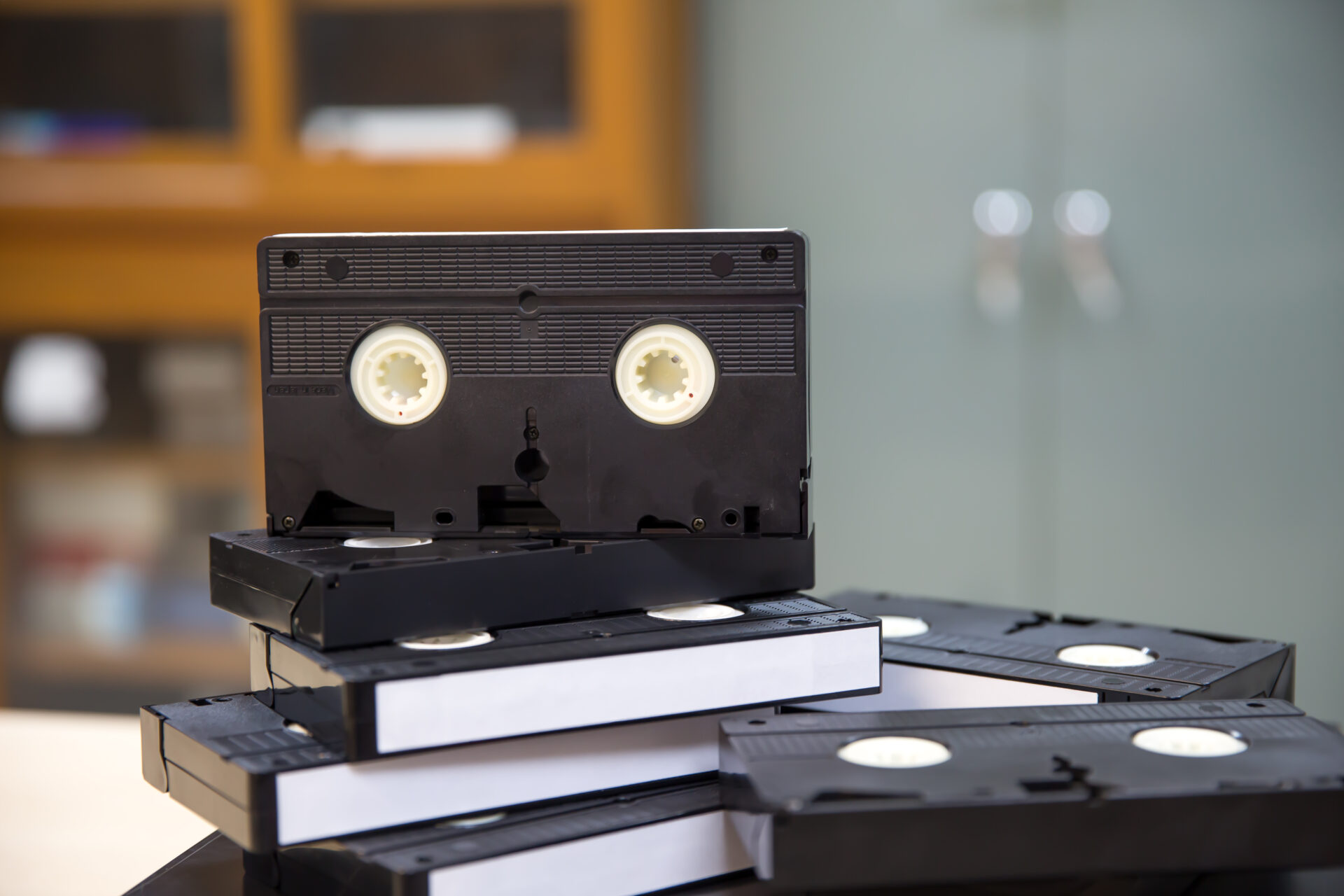

Walk into the storage room of almost any established Twin Cities company and you’ll likely find a stack of old VHS tapes, a few dusty U-matic cassettes, or a box of MiniDV reels sitting in a corner nobody has touched in years. These aren’t just forgotten office supplies — they’re often the only surviving record of a company’s early marketing campaigns, training programs, product launches, and leadership history. As more businesses realize what’s sitting in those boxes, Corporate Media Transfer Bloomington, MN has become a growing need across the metro.
Why Corporate Archives Sit Forgotten in Storage Rooms
Most companies don’t set out to lose track of their video history. It happens gradually. A department moves offices, a hard drive fails, an employee who knew where “the old tapes” were kept retires, and the boxes get pushed further into storage each year. Nobody assigns ownership of the archive, so nobody prioritizes it — until someone needs footage from a 1998 shareholder meeting or an old training video and realizes the only copy is on a format that hasn’t been playable in a decade.
This isn’t unique to any one industry. Law firms, manufacturers, schools, churches, and family-run businesses across the Twin Cities all end up with the same problem: valuable footage stored on media that is quietly deteriorating.
The Real Risk of Waiting Too Long
Analog tape doesn’t fail all at once. It degrades slowly, through a process called “tape shedding,” where the magnetic layer that holds the recorded image starts to flake off the plastic backing every time the tape is played. Humidity, heat, and simple age all speed this up. A tape that plays back fine today might show visible dropout, color shifting, or audio warble in another year or two.
Digital tape formats like MiniDV and Betacam SX have a different problem — they rely on mechanical parts and playback decks that are no longer manufactured. Once a company’s last working deck breaks, the footage on those tapes becomes effectively unrecoverable, even though the tape itself might still be intact.
What Twin Cities Companies Are Actually Digitizing
Once businesses start looking through old storage, they’re often surprised by how much usable material comes up. The most common items include:
- Employee training and onboarding videos recorded on VHS or Betacam
- Executive interviews, internal announcements, and shareholder meeting footage
- Product launch events and trade show recordings
- Marketing reels, commercials, and promotional spots from earlier decades
- Reel-to-reel audio from board meetings, radio spots, or archived interviews
- Photographs and slides documenting company milestones, groundbreakings, or anniversaries
Some of this material ends up back in use — a manufacturer might pull old product demo footage for a company history video, or a nonprofit might resurface founder interviews for an anniversary campaign. Other files simply get preserved as a permanent record, so the company never has to worry about losing them again.
Read More:-How We Keep Confidential Corporate Media Secure During Digitization
Corporate Media Transfer Bloomington, MN: What the Process Looks Like
Digitizing a company archive is a different job than converting a family’s home movies. Corporate collections tend to be larger, mix several formats in one batch, and often need to be organized and labeled in a way that makes sense to people who weren’t around when the footage was originally recorded. A structured process matters here as much as the technical transfer itself.
Sorting and Cataloging First
Before anything gets digitized, the tapes and film reels need to be sorted by format and labeled with whatever information is available — date, event, department, or project name. This step alone often takes longer than the transfer itself, especially with older archives where labels have faded or gone missing entirely. A clear inventory at this stage saves a company from ending up with a folder of digital files nobody can identify later.
Playback and Transfer
Each format requires its own equipment. VHS, Betacam, U-matic, MiniDV, and reel-to-reel audio all need dedicated decks that are properly maintained, since a poorly calibrated machine can introduce tracking errors or damage aging tape during playback. Footage is captured at a high resolution, then reviewed for issues like dropout, color drift, or audio hum that can often be corrected during the transfer.
Organizing the Final Files
The last step is delivering the files in a format the business can actually use — organized by date or project, with clear file names, and provided on whatever media works best for the company’s internal systems, whether that’s a cloud folder, an external drive, or a set of DVDs for easy sharing.
Formats Businesses Are Bringing In
Corporate archives rarely show up in a single format. A typical batch from a company that’s been operating since the 1980s or 90s might include a mix of the following:
- VHS and S-VHS tapes from internal training or marketing departments
- Betacam and Betacam SP tapes used by in-house video production teams
- MiniDV and Digital8 tapes from early digital-era corporate videographers
- U-matic cassettes, common in broadcast and institutional settings before VHS became standard
- Reel-to-reel and cassette audio from recorded meetings or radio advertising
- 16mm and Super 8 film, occasionally found in older manufacturing or educational archives
Each of these formats carries its own playback challenges, which is part of why so many companies wait until the material is nearly unplayable before addressing it.
Why Local Businesses Choose a Bloomington-Based Partner
Handing over decades of company history to an unfamiliar service, especially one that operates entirely online with no physical location, makes plenty of business owners uneasy. Being able to drop off materials in person, ask questions about the process, and pick up both the originals and the finished files without shipping anything across the country carries real weight for corporate clients. That local accessibility is a big part of why Corporate Media Transfer Bloomington, MN requests have grown steadily among Twin Cities companies rather than businesses defaulting to a national mail-in service.
Working with a local provider also means someone is available to walk through unusual or damaged material in person rather than relying on a support ticket. When a tape has visible mold or a film reel has become brittle, that kind of hands-on assessment matters.
What Happens After Digitization
Once a company’s archive has been converted, most businesses find new uses for material they hadn’t looked at in years. Marketing teams pull old commercials for “then and now” campaigns. HR departments repurpose training footage instead of reshooting it from scratch. Communications teams use archived interviews with former leadership for anniversary content or internal culture pieces.
Beyond the immediate reuse, digitized files are simply easier to protect long-term. A backed-up digital archive stored across a cloud service and a local drive is far less vulnerable than a single physical tape sitting on a shelf, exposed to heat, humidity, and time.
Common Questions Twin Cities Companies Ask
How much footage does a typical corporate archive include?
It varies widely. Some smaller businesses bring in a handful of tapes, while others arrive with hundreds of hours of footage collected across several decades and departments. There’s no minimum amount required to get started.
Can damaged or moldy tapes still be transferred?
In many cases, yes. Tapes with visible mold or physical damage need to be cleaned and stabilized before playback, and results depend on how far the deterioration has progressed, but a surprising amount of “unplayable” footage can still be recovered with the right equipment and care.
Does the original media get returned?
Yes. Original tapes, reels, and photographs are returned to the business along with the finished digital files, so companies keep the physical archive as well as the new digital copies.
Getting Started
Corporate archives rarely announce themselves as urgent — until a tape won’t play, a deck breaks for good, or someone needs footage that turns out to be on a format nobody can access anymore. Twin Cities businesses that have already digitized their older tapes and film consistently say the same thing: they wish they’d done it sooner, before any material was lost.
If your company has boxes of old training tapes, marketing reels, or archived meeting footage sitting in storage, now is a reasonable time to have them assessed before the format decides for you.
Book your Corporate Media Transfer Bloomington, MN consultation today. Contact Archiving Life Media to schedule a drop-off or ask about your company’s archive.
Reach out to get a straightforward assessment of what’s in your archive and what it would take to bring it into a modern, secure digital format.