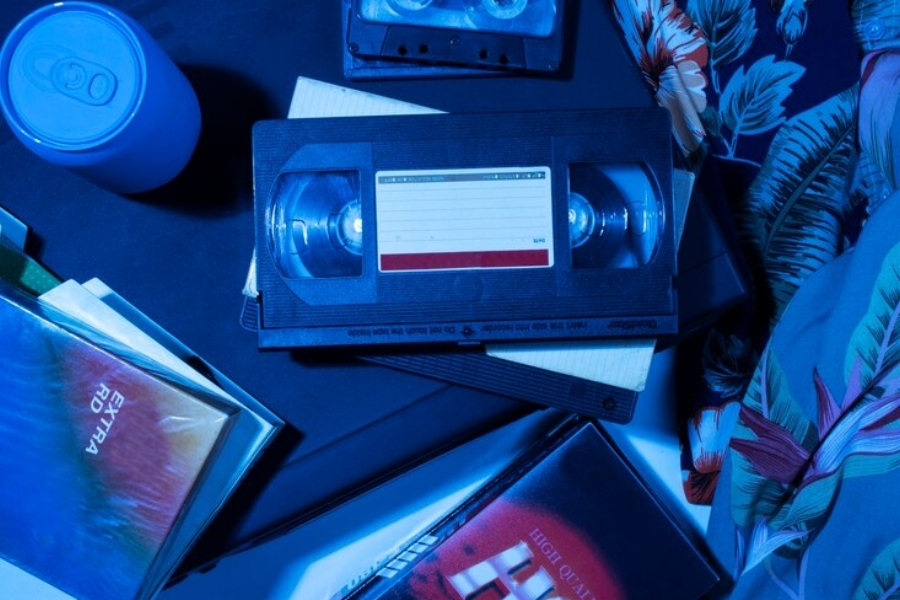
The 1980s and 1990s were filled with special moments captured on different kinds of media. Family birthdays, school events, weddings, vacations, and everyday life were often recorded on tapes, film reels, printed photos, and slides. Many of these items are now sitting in boxes, drawers, or storage closets, slowly aging over time.
The challenge today is that much of this media is becoming difficult to watch or listen to. Players are disappearing, tapes wear out, and photos fade. That’s why many families are now choosing video transfer, audio transfer, film transfer, and photo & slide scanning to protect their memories before they are lost.
At Archiving Life Media, Inc., the goal is simple: help families preserve their most meaningful moments and make them easy to enjoy again on modern devices.
In this guide, we’ll explore some of the most nostalgic media items from the 80s and 90s and explain why converting them to digital can make a big difference.
1. VHS Tapes
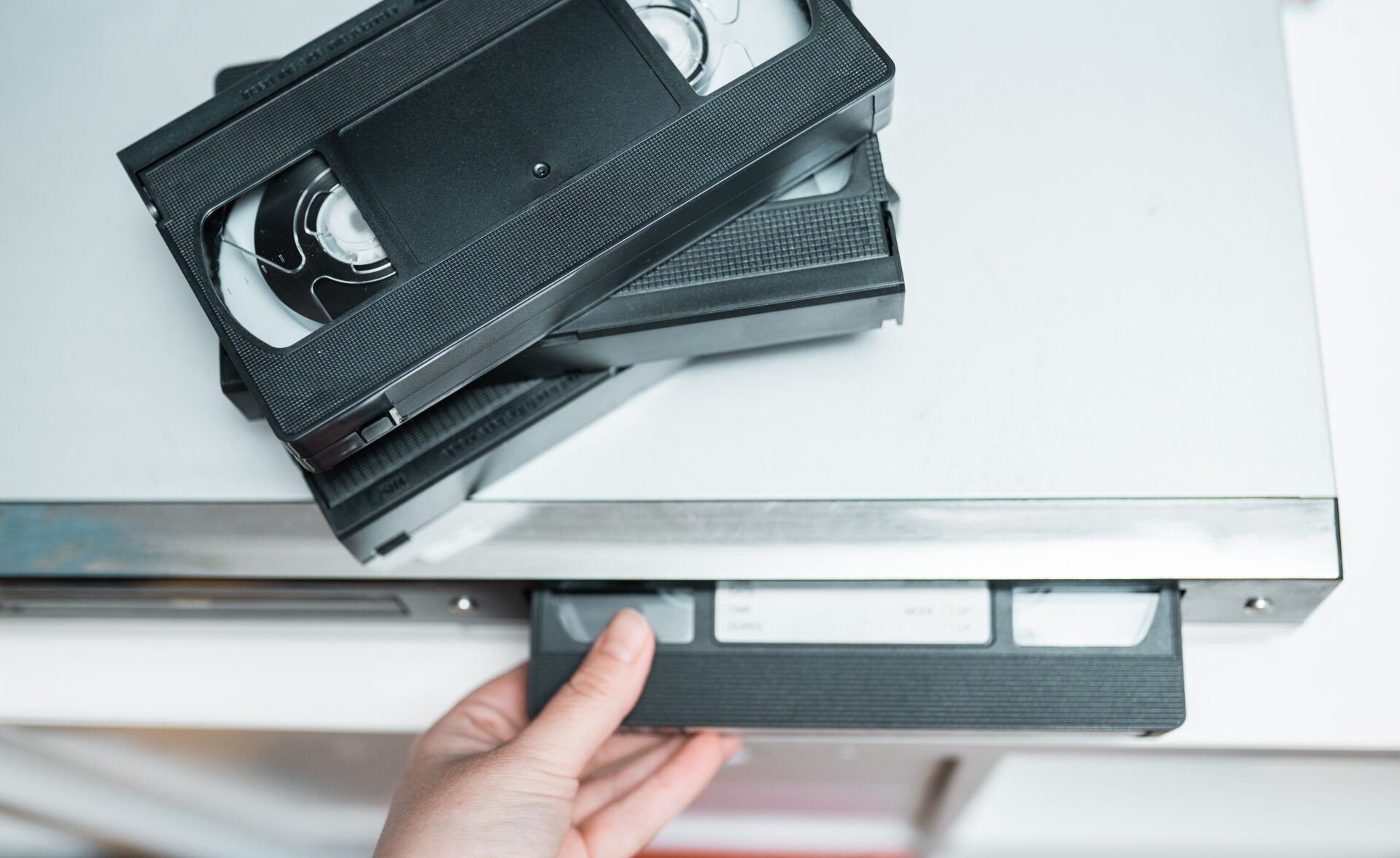
VHS tapes were one of the most popular ways families recorded memories in the 80s and 90s. Camcorders made it possible to capture everyday life, and many households built collections of home videos.
Typical memories found on VHS tapes include:
- Birthday parties
- Family vacations
- Holiday gatherings
- School performances
- First steps and childhood milestones
The problem is that VHS tapes naturally degrade over time. The magnetic tape inside can lose quality, and many people no longer own a working VCR.
This is where video transfer becomes important. By converting VHS tapes into digital files, families can watch their videos again on computers, phones, or TVs without worrying about tape damage.
2. Camcorder Tapes (Hi8, Video8, MiniDV)
After VHS, smaller camcorder tapes became very popular. Formats like Hi8, Video8, and MiniDV were used in many home camcorders during the 90s.
These tapes often contain:
- Travel videos
- School graduations
- Sporting events
- Family reunions
- Everyday life moments
While these tapes still hold valuable memories, the devices needed to play them are becoming rare. Many people no longer have camcorders that work properly.
A professional video transfer can safely convert these recordings into digital formats that are easier to store, share, and watch again.
3. Audio Cassette Tapes
Audio cassette tapes were everywhere in the 80s and 90s. People used them to record music, voice messages, interviews, and personal recordings.
Some common recordings found on cassette tapes include:
- Family voice recordings
- Music collections
- Church recordings
- School projects
- Interviews with loved ones
Over time, cassette tapes can stretch, lose sound quality, or stop playing completely. An audio transfer helps preserve the sound clearly before it fades or becomes damaged.
This is especially meaningful when the recording includes voices of family members who are no longer with us.
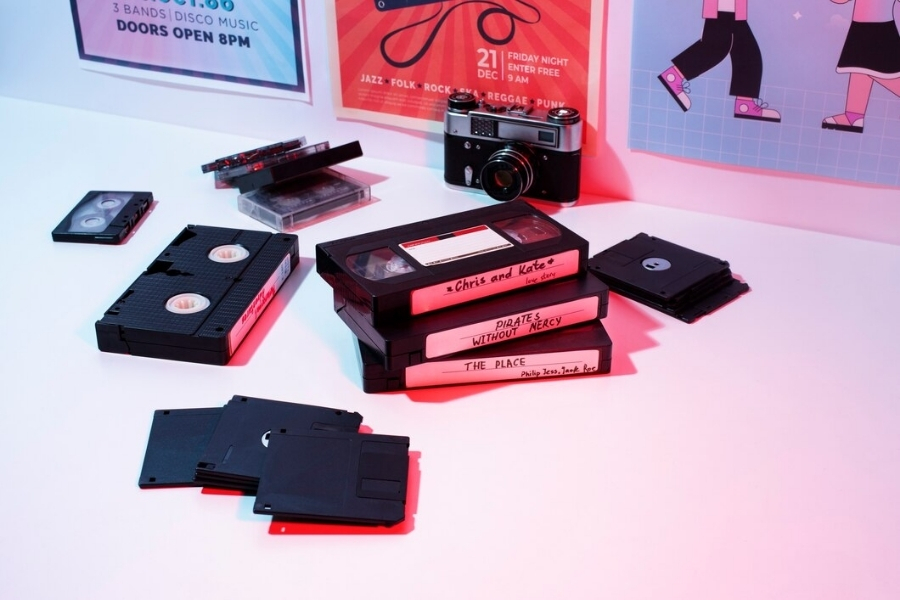
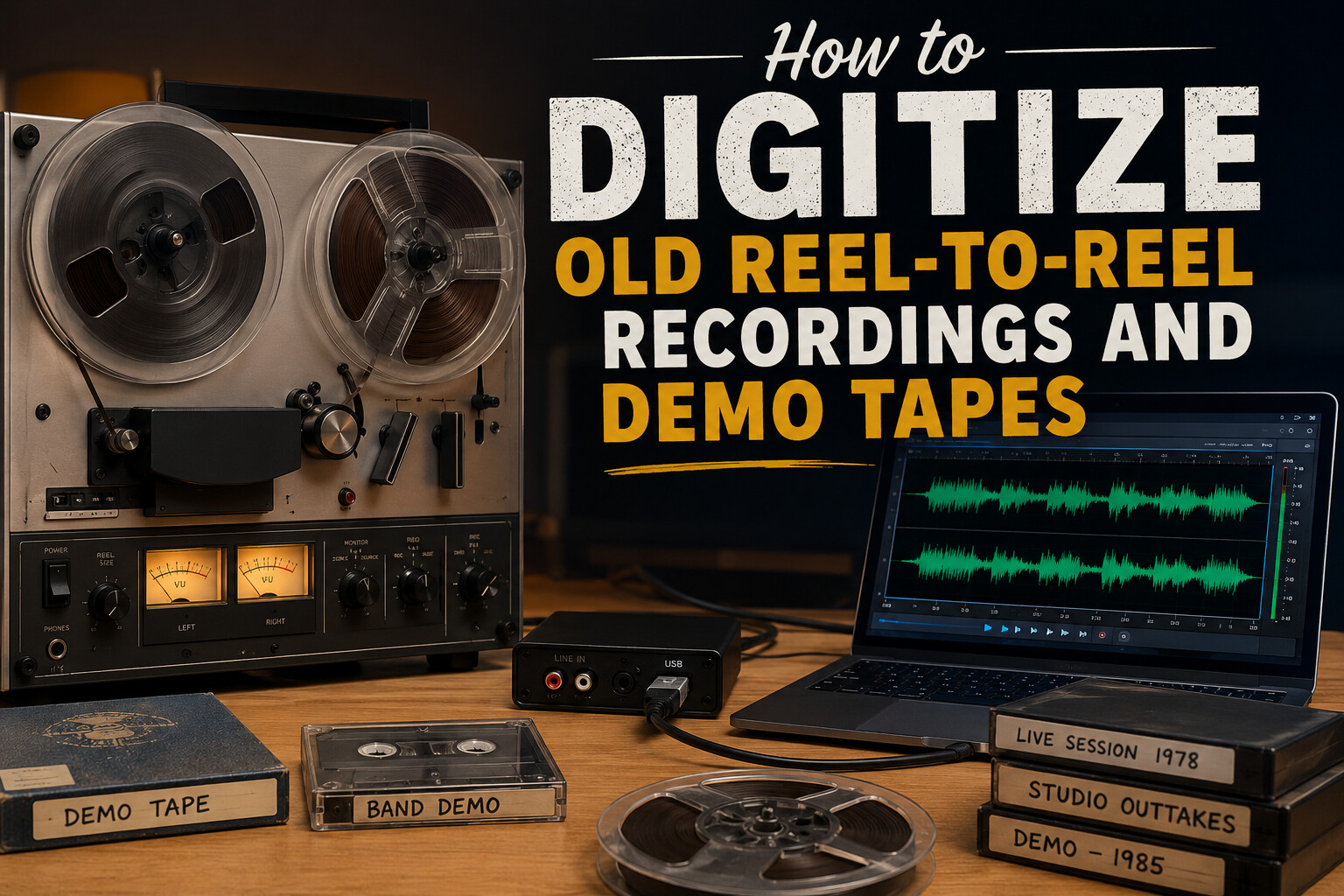
4. Reel-to-Reel Audio Tapes
Before cassettes became widely used, reel-to-reel tapes were often used for high-quality recordings. Many families still have these tapes from earlier years, and some continued to use them into the 80s.
These recordings may include:
- Music performances
- Family recordings
- Historical interviews
- Community events
Reel-to-reel tapes are fragile and require specialized equipment to play safely. A professional audio transfer can help preserve these recordings and convert them into digital audio files that can be easily shared with family members.
5. 8mm Film Reels
Before video cameras became common, many families recorded memories on 8mm film. Even in the early 80s, some households still used film cameras to capture special moments.
8mm film reels often contain:
- Weddings
- Holiday celebrations
- Early childhood memories
- Family trips
- Neighborhood life
Film can fade, collect dust, or become brittle over time. With a proper film transfer, each frame can be carefully digitized to maintain the original details and color as much as possible.
This process allows families to watch their oldest memories again without risking damage to the original film.
6. 16mm Film
Some families, schools, and organizations used 16mm film to record events or educational content. While it’s less common than 8mm, many people still have these reels stored away.
These films may include:
- School programs
- Historical family footage
- Community events
- Old documentaries
- Local history recordings
A professional film transfer ensures that the footage is preserved before the film deteriorates further. Once digitized, these videos become much easier to archive and share.
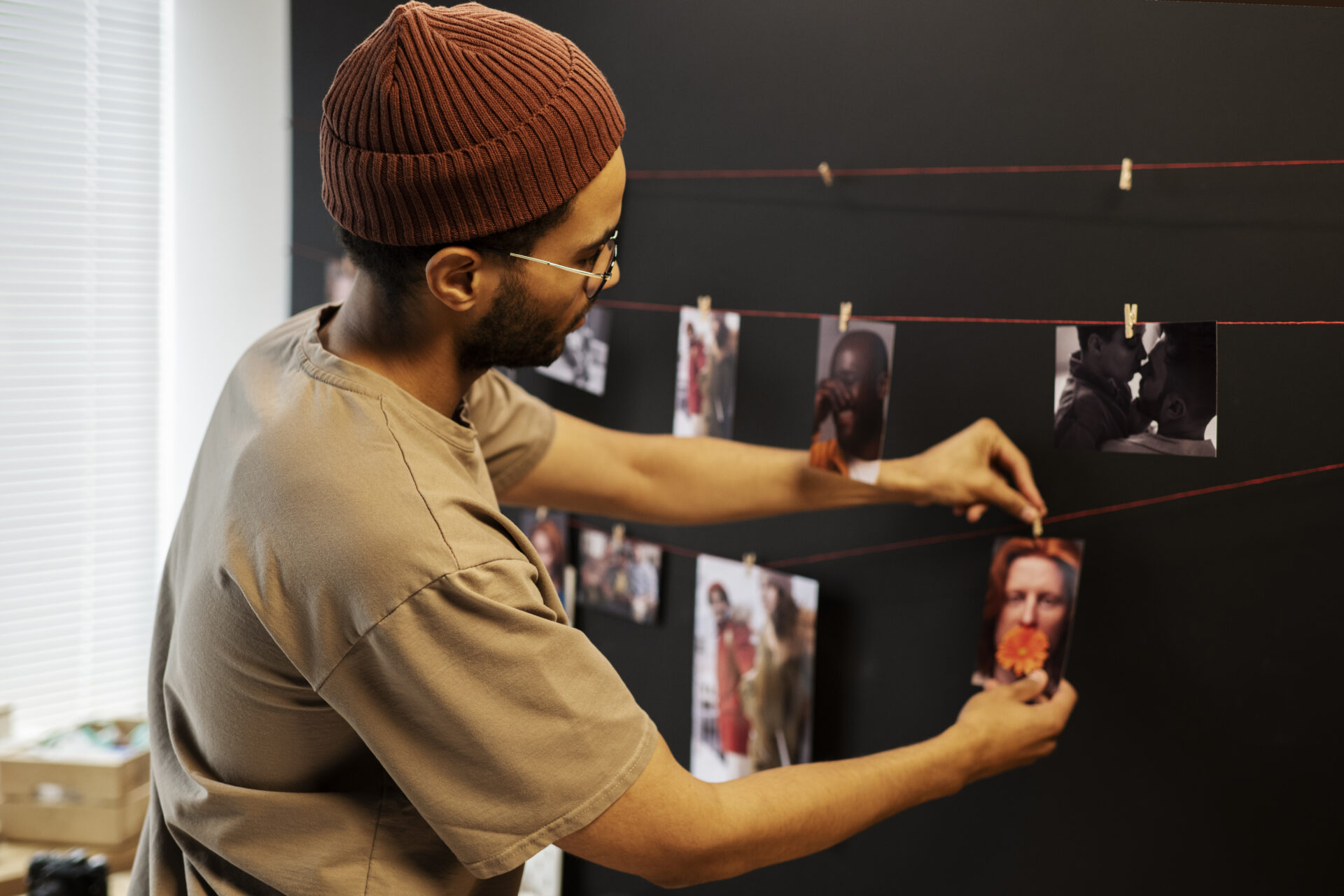
7. Printed Photo Albums
Photo albums were one of the most treasured items in many homes during the 80s and 90s. Families would carefully organize printed photos from vacations, birthdays, and everyday life.
The challenge is that printed photos can:
- Fade over time
- Get scratched or torn
- Become damaged by humidity
- Lose color quality
Through photo & slide scanning, these printed memories can be digitized and safely stored. Digital copies also make it easier to share photos with family members around the world.
8.Photo Negatives
Many people don’t realize that photo negatives often contain even more detail than printed photos. These negatives were used to develop prints at photo labs and were usually stored in envelopes.
Unfortunately, negatives are often forgotten and left in storage for decades.
Scanning negatives using photo & slide scanning allows these images to be restored and preserved in digital form. In many cases, the results can look even better than the original prints.
9. 35mm Slides
Slides were extremely popular for travel photography and special events in the 80s and early 90s. Families would gather around a projector to watch slides from vacations and celebrations.
Slides typically capture:
- Travel memories
- National parks and landscapes
- Family celebrations
- Special events
Over time, slides can fade or develop dust and scratches. Photo & slide scanning helps bring these images back to life and protects them from further damage.
Once digitized, they can be viewed on any device without needing a slide projector.
10. Mixed Media Memory Boxes
Many families have boxes filled with a mix of media from the past. These boxes often include:
- VHS tapes
- Cassette tapes
- Photo prints
- Slides
- Film reels
These collections hold valuable family history, but without proper preservation, they may eventually become unwatchable or unreadable.
This is where services like video transfer, audio transfer, film transfer, and photo & slide scanning become extremely helpful. Converting all of these formats into digital files keeps memories safe for future generations.
At Archiving Life Media, Inc., families can bring in a variety of media types and have them professionally digitized with care.
Why Digitizing Nostalgic Media Matters
Many people wait too long before converting their old media. Unfortunately, time can cause permanent damage.
Here are a few reasons why digitizing your media sooner is important:
Media Naturally Deteriorates
Tapes lose signal quality, film fades, and photos can become damaged by dust or moisture.
Playback Devices Are Disappearing
VCRs, cassette players, film projectors, and older camcorders are no longer widely available.
Memories Become Hard to Access
When media is stored in outdated formats, families often stop watching or listening to them.
Digital Files Are Easy to Share
Once converted, memories can be shared with family members through phones, computers, or cloud storage.
Using video transfer, audio transfer, film transfer, and photo & slide scanning helps ensure these memories stay accessible and safe.
Choosing the Right Media Conversion Service
Not all digitization services handle nostalgic media with the same level of care. When selecting a service, it’s helpful to look for:
- Careful handling of original media
- Professional equipment
- Clear communication
- Organized digital delivery
- Experience with older formats
Archiving Life Media, Inc. focuses on helping families safely convert their media while preserving the quality of their memories.
A New Way to Enjoy Old Memories
One of the most meaningful parts of digitizing old media is the experience of seeing and hearing memories again.
Families often rediscover:
- Childhood moments they had forgotten
- The voices of loved ones
- Important family events
- Special celebrations
Many people are surprised by how emotional it feels to watch old videos or listen to recordings after many years.
With video transfer, audio transfer, film transfer, and photo & slide scanning, these memories become part of everyday life again rather than staying hidden in storage boxes.
Conclusion
The media from the 80s and 90s holds some of the most important moments in many families’ lives. From VHS tapes and camcorder recordings to film reels and photo albums, these items tell stories that deserve to be preserved.
However, time is not always kind to old media. Tapes wear out, film fades, and photos slowly lose their quality. Converting them to digital format is one of the best ways to protect these memories for the future.
Archiving Life Media, Inc. helps families preserve their memories through professional video transfer, audio transfer, film transfer, and photo & slide scanning services. If you have old tapes, film, or photos stored away, now is a great time to bring them back to life.
Contact Us If you’re ready to preserve your memories, reach out to Archiving Life Media, Inc. today and start converting your nostalgic media into lasting digital files your family can enjoy for years to come.
Stay connected and see more memory preservation stories. Follow Archiving Life Media, Inc. on Facebook, Instagram, and Google Business Profile for updates, tips, and special offers.
Frequently Asked Questions
Q: How long does media digitization take?
The time depends on the type and number of items. Most projects are completed within a few days to a couple of weeks.
Q: Can damaged tapes or film still be converted?
In many cases, yes. Professional equipment can often recover content from media that may not play on regular devices.
Q: What digital format will I receive?
Most customers receive digital files that can be viewed on computers, phones, and smart TVs.
Q: Is it safe to ship my media for transfer?
Yes, many services safely accept shipped media and handle items carefully throughout the process.