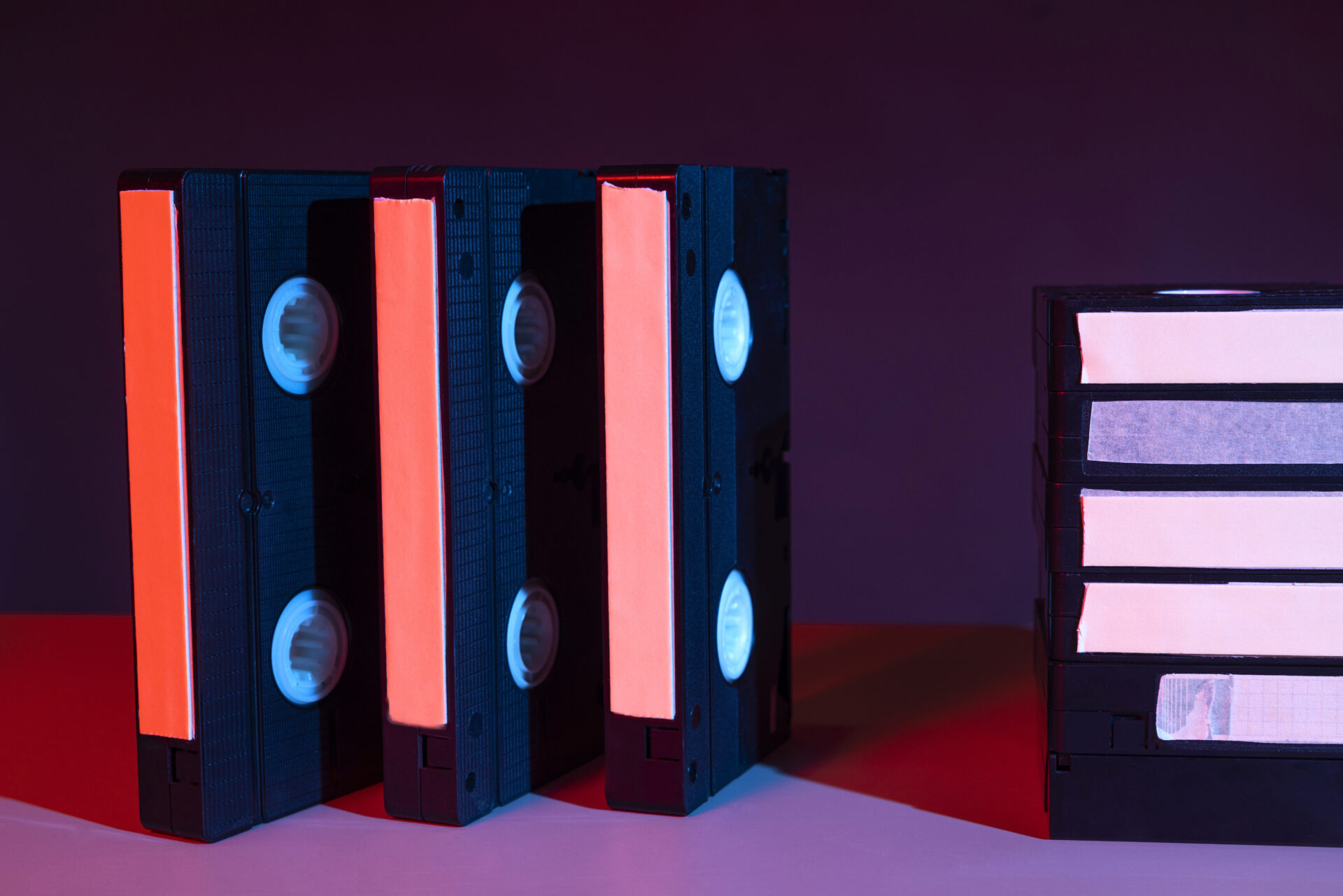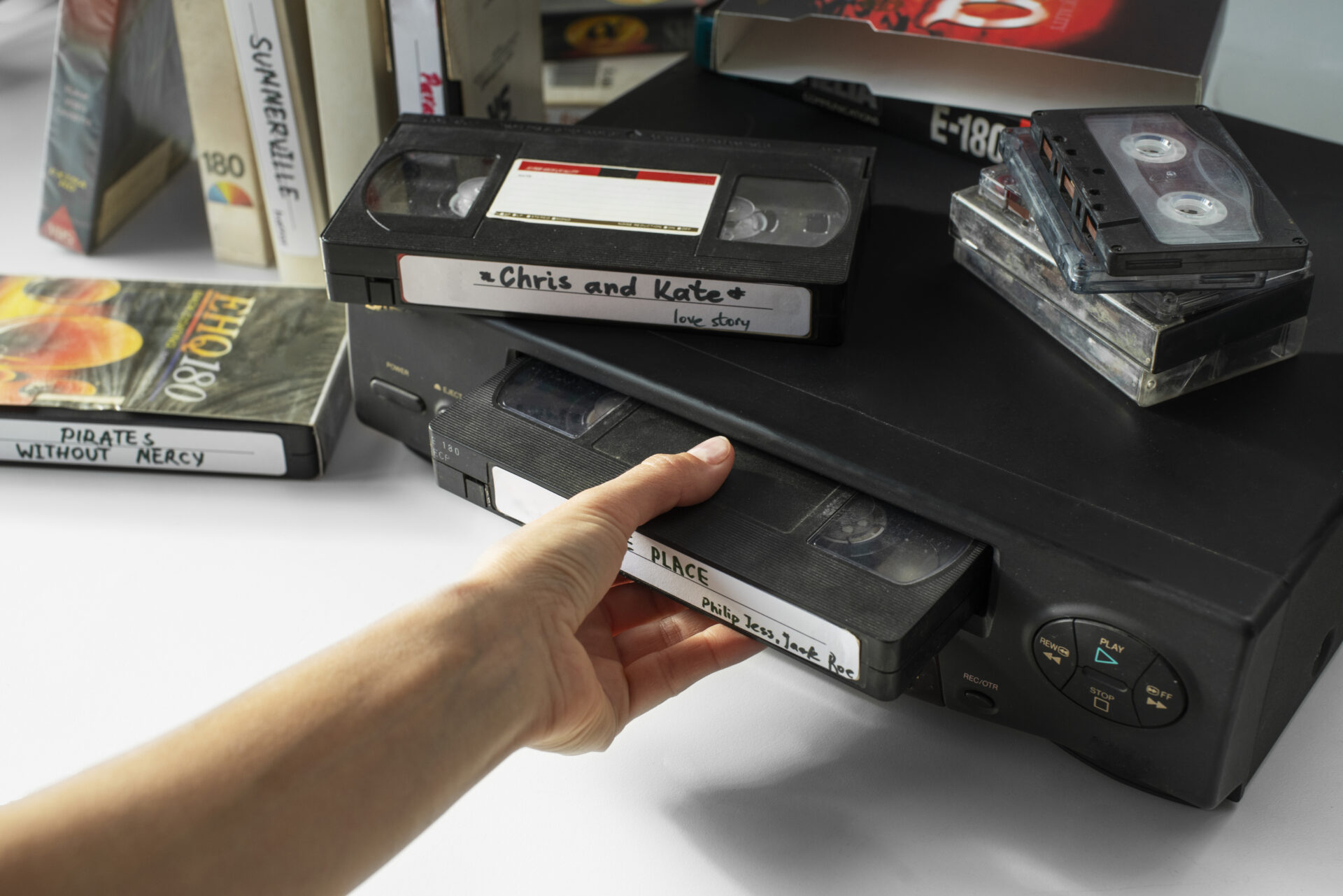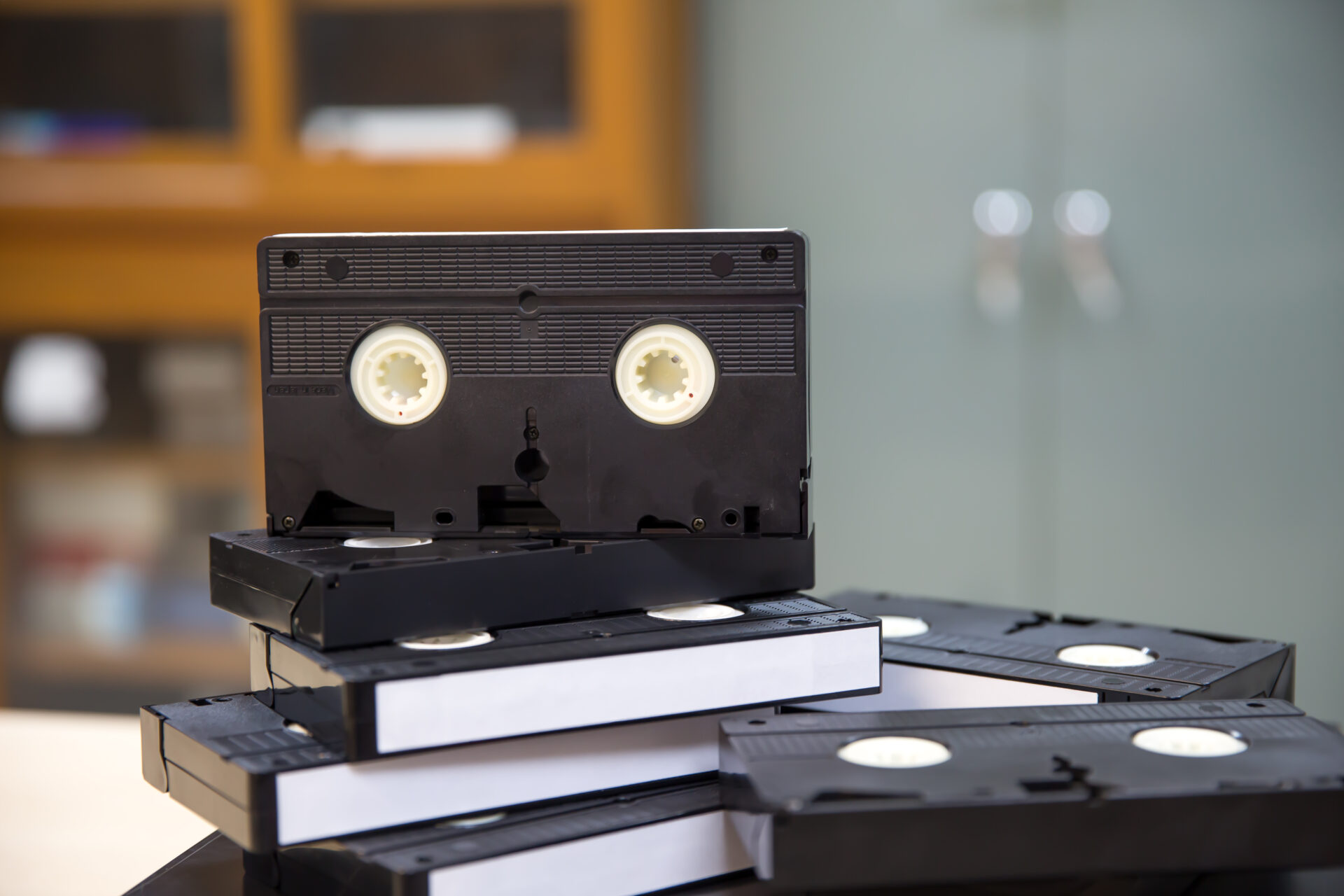
There is something deeply unsettling about realizing your most personal memories are sitting in a box, slowly deteriorating. Old VHS tapes, Hi8 cassettes, MiniDV recordings — these formats were not built to last forever. Magnetic tape breaks down over time. Mold grows. Colors fade. And one day you press play, and there is nothing left. For families across the Twin Cities metro area, that moment of loss is something we help prevent every single day. Whether it is a birthday from 1987, a wedding from 1994, or a child’s first steps from 2002, Video Transfer Services Minnetonka, MN residents rely on are turning those fragile tapes into digital files that can actually survive the next 50 years.
Why Old Tapes Are in More Danger Than You Think
Most people assume their old tapes are fine because they have not watched them in a while. But tape degradation does not announce itself. Magnetic particles that hold your video signal are constantly shedding, especially if tapes have been stored in garages, attics, or basements where temperature and humidity fluctuate. VHS tapes were designed with a lifespan of roughly 10 to 25 years under ideal storage conditions. If your tapes are from the 1980s or 1990s, you are already past that window.
Beyond age, there are specific problems that accelerate decay. Sticky shed syndrome affects many tapes from the 1970s through the early 2000s — the binder holding the magnetic particles to the tape base absorbs moisture and becomes tacky, causing the tape to squeal or stick to internal components when played. Vinegar syndrome, more common in older film formats, causes acetate-based tape to off-gas acetic acid, producing that sharp smell and causing the tape to shrink and buckle. Once either condition sets in, playback becomes impossible without professional intervention.
The Formats Most at Risk Right Now
If you have any of the following sitting in a closet or storage bin, the window to save them is narrowing:
- VHS and VHS-C tapes (especially those recorded before 1995)
- Betamax cassettes from the late 1970s and 1980s
- 8mm and Hi8 camcorder tapes from family vacations and school events
- MiniDV tapes, which are increasingly difficult to play as compatible decks disappear
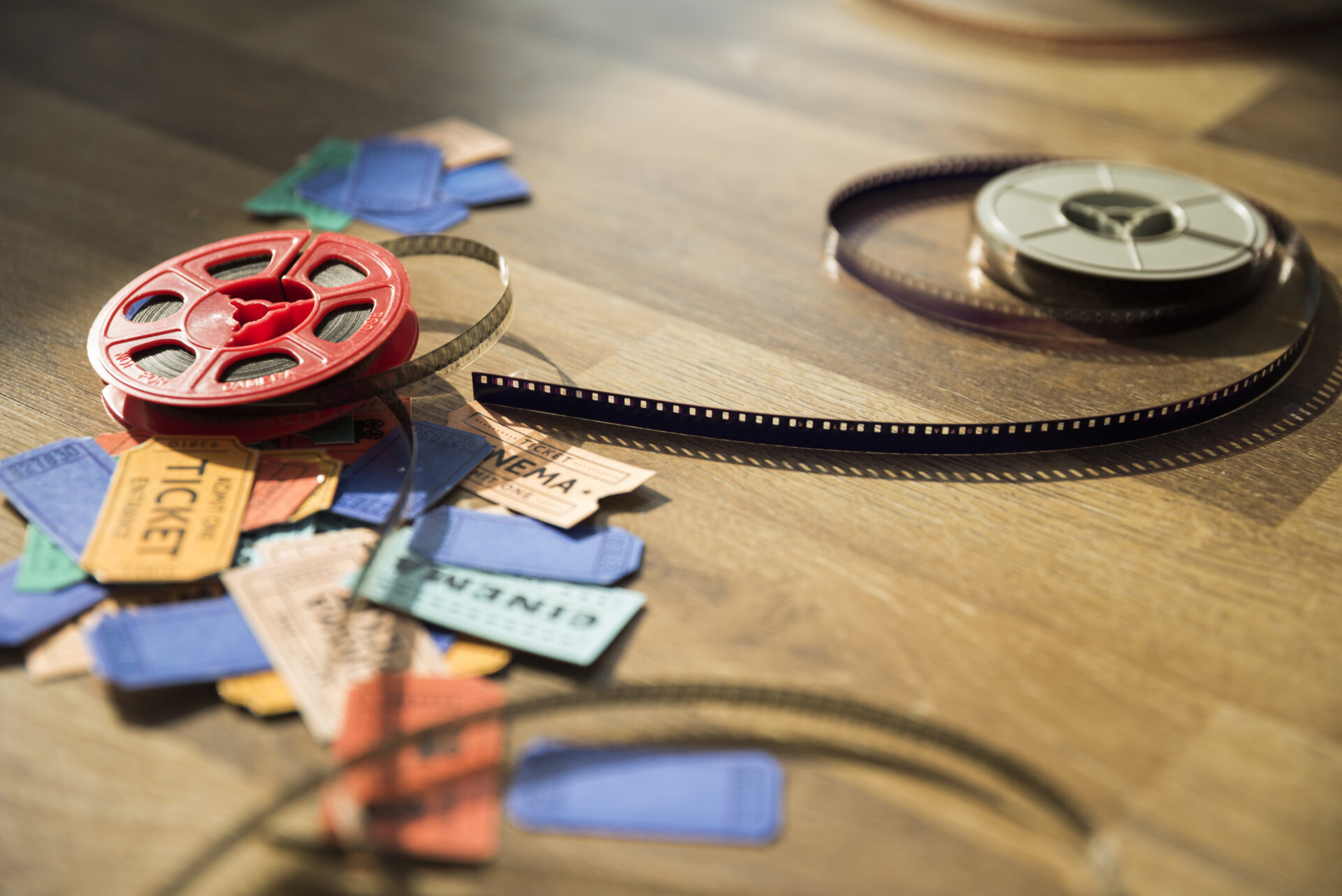
- Super 8 and 8mm film reels, which face both chemical and physical decay
- Audio cassettes and reel-to-reel recordings of family milestones
What the Transfer Process Actually Looks Like
People often picture video transfer as simply plugging a tape into a machine and hitting record on a computer. The reality, when done properly, is far more involved. The quality of your final digital file depends entirely on the care taken at each stage — from how the tape is inspected before playback to the encoding settings used during capture.
Step 1: Tape Inspection and Condition Assessment
Before any tape gets near a playback deck, it needs to be examined. Is the housing cracked? Is the tape slack or tangled? Are there visible signs of mold or water damage? A tape that is fed into a machine in poor condition can destroy both the content and the equipment. Tapes with mold are cleaned using dry cleaning methods before playback. Tapes with sticky shed syndrome often require baking — a controlled low-heat process that temporarily restores the binder so the tape can play without damage.
Step 2: Playback on Calibrated Equipment
Consumer-grade VCRs from the big box era are not suitable for archival transfer work. The heads wear down, tracking is inconsistent, and audio separation suffers. Professional transfers use time-base correctors and broadcast-grade decks that stabilize the signal before it ever reaches the capture card. This matters because the signal coming off a 30-year-old tape is inherently unstable. Without correction, you get dropout, color bleeding, and audio sync issues in the final file.
Step 3: Digital Capture and File Encoding
The captured signal is encoded into a digital format that balances file size with image quality. For most family archiving purposes, MP4 files encoded at high bitrates give the best combination of compatibility and quality. Files are delivered on USB drives, DVDs, or via digital download depending on your preference. The goal is a file your grandchildren can open on whatever device exists in 2045, not just one that plays on today’s hardware.
The Real Value Is Not the File — It’s What’s on It
A customer once brought in a box of 14 VHS tapes she had found in her late mother’s attic. She had no idea what was on them. When the transfers came back, three of those tapes contained footage from a family reunion held in 1991 — the last time her entire extended family had been together before her grandmother passed. Her mother was on screen, young and laughing, in footage no one knew existed. That is the story behind almost every box of tapes we see. The tapes themselves are worthless plastic. What is on them is irreplaceable.
This is why Video Transfer Services Minnetonka, MN families trust is not just a technical service — it is a preservation service. You are not paying to convert a file format. You are paying to keep a piece of your family history alive long enough to pass it down.
What to Ask Before Handing Over Your Tapes
Not every transfer service treats your tapes with the same level of care. There is a meaningful difference between a service that uses professional broadcast equipment with trained technicians and a service that runs tapes through a consumer VCR connected to a laptop. Before you trust anyone with your memories, it is worth asking a few direct questions.
Ask whether your tapes will be inspected before playback, or fed directly into a machine regardless of condition. Ask what equipment is used for playback and whether a time-base corrector is part of the process. Ask how the files are encoded and at what bitrate. Ask whether the service keeps copies of your footage on their end after delivery, and for how long. A quality provider will answer these questions without hesitation. If the response is vague or the person you’re speaking with does not know what a time-base corrector is, that tells you something important.
Explore:- How High-Resolution Photo Scanning Restores Decades of Memories
Mail-In Services vs. Local Providers
Mail-in transfer services have grown significantly over the past decade, and they offer obvious convenience. But there are real trade-offs. Shipping fragile tapes across the country introduces physical risk — tapes can be damaged in transit, and if a tape is lost or destroyed, there is no recovering that content. With a local Video Transfer Services Minnetonka, MN provider, you can drop off your tapes in person, ask questions directly, and pick them up when the work is done. For tapes that hold significant personal or sentimental value, that level of oversight and accountability matters.
Beyond VHS: Other Formats Worth Transferring
VHS tapes tend to get the most attention because so many households have them, but they are far from the only format worth preserving. Film reels — particularly Super 8 and regular 8mm home movies — are in many ways more urgent because film deteriorates at a chemical level in ways that are harder to reverse than magnetic degradation. Audio cassettes carrying family interviews, graduation speeches, or musical performances are routinely overlooked until it is too late.
Slides and photographs, while not tape-based, face similar risks. Color dyes in slides fade over decades, and physical photos yellow and crack. Scanning them at high resolution creates a digital archive that preserves the detail without requiring anyone to handle the originals repeatedly. The broader goal is the same regardless of format: capture what exists now, before it is gone.
How to Organize Your Memories After the Transfer
Getting your footage transferred to digital is the first step. What you do with it afterward determines whether it actually gets used or just moves from a box of tapes to a forgotten USB drive in a drawer. A few simple habits make a real difference in keeping these memories accessible.
Name your files with dates and descriptions rather than the generic labels that come off a transfer, like “Tape_01.mp4.” A file called “1989_Christmas_Grandma_Hansen_House.mp4” is something your children will actually find and open. Store files in multiple locations — an external hard drive at home, a cloud backup service, and copies shared with other family members. The redundancy is intentional: no single storage method is permanent, and spreading copies across locations protects against any one point of failure.
Consider creating a shared family folder where relatives can access the footage directly. Platforms like Google Drive or a private Vimeo account make it easy to share video files without emailing large attachments. The goal is to make these memories available, not just backed up.
A Note on Timing: Why Waiting Costs More Than You Think
The most common response when people learn about tape degradation is “I’ll deal with that soon.” Soon has a way of becoming never. We have seen tapes arrive that were transferred just in time — a few more years on the shelf and the content would have been gone entirely. We have also seen tapes arrive where we had to deliver difficult news: the footage was too far gone to recover anything meaningful.
The cost of a professional transfer is modest compared to the value of what is being preserved. The cost of waiting is potentially the permanent loss of footage that cannot be recreated. Video Transfer Services Minnetonka, MN residents rely on for this work are not trying to create urgency for its own sake — the degradation timeline is simply real, and it moves in one direction.
Your Family’s Story Deserves to Last
That box of tapes in your attic is not junk — it is a time capsule. Archiving Life Media works with families throughout Minnetonka and the surrounding metro area to preserve footage that would otherwise be lost. Whether you have 2 tapes or 200, we treat each one with the same attention to detail, because we understand what is actually at stake.
Ready to get started? Reach out to us today to discuss your tapes, ask questions about the process, or get a quote for your project. We’re here to help you preserve what matters most — before time runs out.